

Founder of Innis & Gunn Warns of Grim Future for Pubs Without Urgent Reforms The founder of Innis & Gunn has issued a stark warning about the potential decline of pubs, emphasizing that immediate reforms are essential to ensure their survival. Without swift action, the traditional pub landscape may face unprecedented challenges that threaten their very existence.
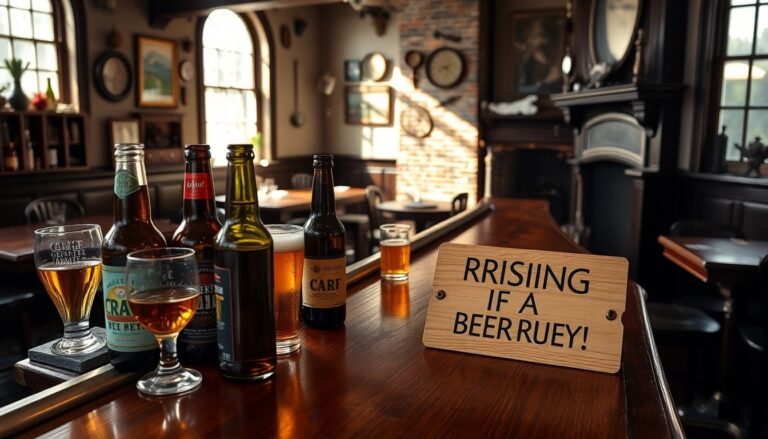
The pub landscape in the UK is undergoing unprecedented challenges, prompting Dougal Sharp, founder and master brewer of Innis & Gunn, to issue a stark warning: if current trends persist, the cost of a pint could soar to £10. This alarming prediction arises from a combination of escalating operational costs and government policies perceived as detrimental to the hospitality sector.
Sharp’s concerns emerge during a period of significant strain for the pub industry, with numerous establishments shutting their doors. He contends that these closures are not just incidental but are directly linked to rising expenses imposed largely through taxation.
The impact of taxation on pub viability
According to recent statements, the current taxation regime significantly contributes to the crisis facing pubs across the nation. It is estimated that approximately one-third of the price consumers pay for a pint is attributable to taxes.
This situation has left many pubs struggling to maintain financial viability, with some being forced to shut down entirely.
Recent closures and the broader implications
Statistics reveal a troubling trend: in, England and Wales experienced the closure of one pub each day, while Scotland reported about 56 closures, averaging one per week. These figures highlight a concerning trajectory that jeopardizes the fabric of local communities. Current measures, such as the 15% non-domestic rates relief in Scotland, are deemed inadequate to reverse this decline.
Call for reform in government policies
In response to the ongoing challenges, Sharp is advocating for significant reforms to the current taxation framework. He urges the government to consider a 50% reduction in on-trade duty, a decrease in VAT for the hospitality sector to 8%, and a 30% cut in energy costs by eliminating net-zero charges. Additionally, he calls for a reduction in business rates to better reflect actual turnover, making them more manageable for pub owners.
The primary objective of these proposals is clear: to bring the average price of a pint below £4, ensuring that pub meals remain affordable and that establishments can flourish once again. Sharp argues passionately that preserving pubs is essential for maintaining a vital aspect of British culture and community.
The emotional and cultural loss
“If we fail to protect our pubs, we risk losing more than just a place to enjoy a drink; we jeopardize a vital part of our national identity,” he warns. The emotional connection many people have with their local pubs cannot be overlooked. These venues serve as crucial gathering spaces for social interaction, and their demise could leave a void in communities.
Innis & Gunn’s response to the challenges
Despite the challenging market conditions, Innis & Gunn has successfully navigated these turbulent waters, halving its operating losses in the financial year to £747,000. This achievement comes amid a backdrop of declining sales and rigorous market pressures. The company’s resilience is attributed to a disciplined business strategy and a strong focus on brand development.
Innis & Gunn’s strategic growth initiatives
The brewery has made significant strategic investments, introducing new products such as a 10x330ml canned lager pack and a tequila-matured lager. These innovations have helped maintain brand relevance and appeal amid market fluctuations. Furthermore, Innis & Gunn has experienced growth in international markets, particularly in Canada and Sweden, which has bolstered its
Sharp remains optimistic about the future, stating, “By staying true to our brand message and connecting with consumers through culture, we can foster a sense of loyalty that transcends market challenges.” He emphasizes that a strong focus on premiumization and selective marketing initiatives will provide a robust foundation for the company’s growth moving forward.
Future challenges for the brewing industry
The brewing industry is currently facing significant challenges as rising prices put pressure on traditional pubs. Stakeholders must actively advocate for change to protect local establishments. The survival of pubs hinges on proactive measures taken now.
As consumer preferences evolve, breweries will need to innovate and adapt. Supporting local businesses not only strengthens communities but also ensures the preservation of cultural traditions associated with pub life. Without concerted efforts, the future of these establishments remains uncertain.
