

What if the real threat isn't what we've been told? Let’s dive into the intricacies of US-China relations and discover the underlying dynamics at play.
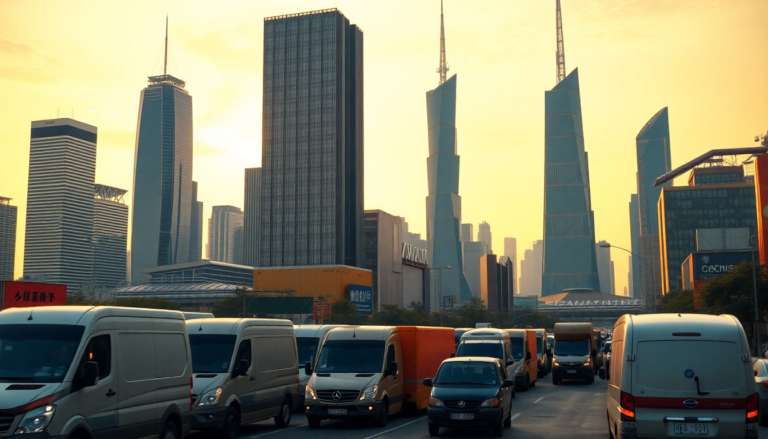
Hey friends! Have you noticed how the conversation around China has shifted dramatically in recent years? It’s like we went from chatting about economic partnerships to a full-blown rivalry overnight! 🤔 Let’s break this down together and explore why the US is feeling so threatened by China’s rise and what it means for all of us.
The Economic Landscape: A Changing Dynamic
China’s rapid economic growth has led to a noteworthy increase in labor costs, shaking things up for Western corporations. This shift is so significant that it’s definitely affecting their bottom lines. Have you ever thought about how this impacts global trade? 🤯 For decades, the US and China were like business partners, but now it feels more like a game of tug-of-war.
The US government has been ramping up trade restrictions and military presence near Chinese borders, all while portraying China as a looming threat.
But here’s the real tea: while China’s rise does challenge US interests, it’s not as simple as the political narrative suggests.
The core of the issue lies within the capitalist framework—where the Global North has relied heavily on cheap labor and resources from the Global South. China has been a key player in this setup since it opened its doors to Western investments in the 1980s, providing a vast pool of skilled yet affordable labor. Ever wonder how much cheaper your favorite tech products would be if labor costs stayed low? 🤔
Wage Growth: A Game Changer
Fast forward to today, and everything has changed dramatically. Back in 2005, manufacturing labor in China was cheaper than in India, costing less than a dollar an hour! Now? It’s over $8 an hour. This increase is monumental, especially since China’s wages are now higher than any other developing nation in Asia. Talk about leveling the playing field! 🚀
So, why has this happened? Well, for starters, more workers are entering the wage-labor economy, giving them more bargaining power. 💪 Plus, under President Xi Jinping, the role of the state in the economy has expanded, enhancing public systems like healthcare and housing. These changes are fantastic for workers in China but pose a significant challenge for Western companies wanting to maintain their profit margins.
Technology and the Future: The New Frontier
Now, let’s talk about technology. 🌐 China has made some serious strides in tech over the last decade. They’re not just catching up; they’re leading in sectors like renewable energy, electric vehicles, and even medical technology. This is giving me major disruptive vibes! The monopoly that the Global North has held over essential technologies is being challenged, which could reshape global supply chains.
In response, the US has tried to curb China’s technological advancements, but this has only fueled their drive to innovate independently. Isn’t it fascinating how competition can spark innovation? But here’s where it gets even crazier: the narrative that China poses a military threat is often just a smoke screen for deeper economic anxieties. The US military spending dwarfs China’s, yet the fear-mongering continues. Why do you think that is? 🤔
So, as we navigate through this complex landscape, it’s essential to understand the nuances of this rivalry. It’s not just about military might; it’s about economics, technology, and the shifting balance of power on the global stage. What are your thoughts on this? Is the fear of China justified, or is it a reaction to their success? Let’s discuss! 💬✨
