

A chilling examination of the ongoing violence against journalists in Gaza, revealing the stark reality behind the headlines.
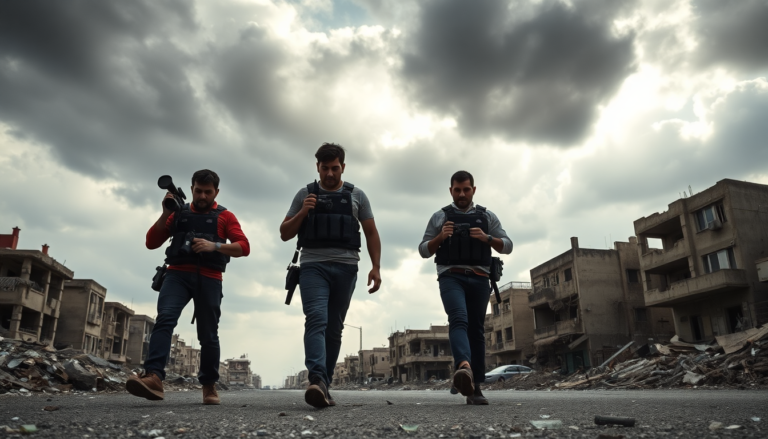
Hey friends! Let’s dive into something that’s been really weighing on my heart: the shocking rise in violence against journalists in Gaza. With nearly 270 media professionals killed since the recent conflict began, the landscape of journalism there has become increasingly dangerous.
It’s not just about numbers; it’s about lives lost and voices silenced. 💔
The Harrowing Reality
Just last week, Al Jazeera journalist Anas al-Sharif and four of his colleagues tragically lost their lives in an Israeli drone strike targeting a media tent near al-Shifa Hospital.
Can you believe it? It’s absolutely heartbreaking. Seven people were killed in that attack, including correspondent Mohammed Qreiqeh and several camera operators. This isn’t an isolated incident; it reflects a disturbing trend where journalists covering the Gaza conflict find themselves in the crosshairs.
Before this devastating incident, at least five other Al Jazeera journalists had already been killed. For instance, remember Samer Abudaqa? He was targeted during a live report and tragically left to die as emergency services were blocked from reaching him. It feels like a nightmare that just keeps repeating itself. Who else feels this way? 😔
The statistics are staggering! More journalists have been killed in Gaza since the war began on October 7, 2023, than during major historical conflicts combined, including the Civil War and both World Wars. It’s mind-boggling and heartbreaking to think about the implications of these losses on press freedom and the dissemination of information.
Press Freedom Under Siege
Al Jazeera has raised its voice, condemning these targeted killings as blatant assaults on press freedom. They argue that these journalists were among the last standing in Gaza, especially since international media is barred from entering the region. This brings up an important question: how can we truly understand the reality of Gaza without these reporters on the ground? It’s deeply concerning.
The Palestinian mission to the United Nations has taken a stand, accusing Israel of deliberately assassinating journalists who were documenting the ongoing situation. They argue that these individuals were exposing the realities of what they describe as genocide and starvation. Can you even imagine? The weight of those words hits hard.
In the midst of all this chaos, the UN Secretary-General’s spokesperson has called for an investigation, emphasizing that journalists should be able to work without the fear of being targeted. Isn’t that a basic right?
Documenting the Unseen
The Committee to Protect Journalists (CPJ) highlighted a staggering reality: since the conflict escalated, the killings and detentions of journalists have created a dangerous void where potential war crimes could go unreported. That’s a terrifying thought! In June, numerous organizations released an open letter highlighting the threats faced by Palestinian journalists, who often risk everything to bring us the truth.
Amnesty International has condemned these killings, labeling them as war crimes. They honored Anas al-Sharif as a brave reporter who dedicated his life to the cause of press freedom. Isn’t it a bitter irony that those who seek to inform us are the very ones facing the greatest danger?
What’s even more chilling is the fact that the names of the deceased journalists are often overshadowed by the larger narrative of conflict. Each name represents a story, a life dedicated to uncovering the truth, and a voice that has been silenced too soon. As we reflect on these tragedies, let’s remember the importance of journalism in our society. It’s not just about reporting; it’s about ensuring that the voices from Gaza are heard, especially when international media is restricted.
What do you think? How can we, as a community, support journalists and ensure their narratives are not lost? Let’s discuss! 🌍❤️ #PressFreedom #GazaJournalists
