

Explore the expert opinions of renowned chefs on the age-old debate of butter versus oil in cooking.
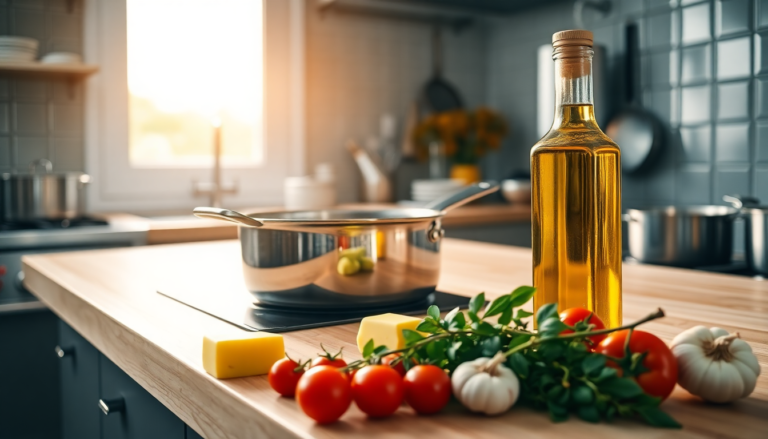
The age-old debate between using butter or oil in cooking can leave many home chefs scratching their heads. Each fat brings its own unique flair to the table, and understanding their differences can truly elevate your culinary game. But what’s the best choice for your dish? To help clarify this conundrum, we consulted several seasoned chefs who have spent years honing their craft.
What they revealed is that the decision is less about which fat is superior and more about what’s right for the specific dish you’re preparing.
The Culinary Perspectives
Steffan Rhys, the head chef at Spare Time, is passionate about whipping up delicious meals.
He’s tried everything from a healthy chocolate mousse made with olive oil to a rich spaghetti bolognese. But even with all that experience, he found himself caught in the butter versus oil dilemma. To get to the bottom of it, he turned to four expert chefs, who all agreed: the choice really depends on the dish.
Dennis Littley, a chef with over 40 years in the culinary world, emphasizes that context is key when selecting a fat. “In my many years as a professional chef, I’ve learned that it’s not about one being better than the other,” he says. “It’s about using the right fat for the dish. Butter adds a depth of flavor that’s tough to replicate, especially in sauces and delicate proteins. However, its low smoke point makes it less ideal for high-heat cooking.” Littley often combines butter with oil in restaurant kitchens, striking a balance between the rich flavor of butter and the stability of oil.
For those high-heat cooking methods, he recommends oils like olive, grapeseed, or sunflower for their consistent performance. He also suggests ghee or avocado oil, which offer the richness of butter while being able to handle higher temperatures.
Tailoring Fats to Cuisine
Jessica Randhawa, chef and owner of The Forked Spoon, takes a strategic approach when choosing her fats. “I always consider the flavor I’m aiming for and the smoke point of the fat,” she explains. For northern European dishes, she leans towards low-smoke-point butter to enhance the flavors. On the flip side, Mediterranean-inspired meals often call for olive oil, while high-smoke-point oils like peanut oil are her go-to for Asian stir-fries. “Matching the right fat to the dish is crucial,” Randhawa asserts.
Maricel Gentile, another seasoned chef, echoes this sentiment. With a rich culinary background and appearances on platforms like PBS and Food Network, she emphasizes that there’s no one-size-fits-all solution to the butter versus oil question. “The choice depends on the cuisine, cooking method, and heat level,” she states. Gentile favors high smoke point oils like canola or vegetable oil for techniques such as stir-frying, believing that the right fat is just as essential as the quality of your ingredients.
Flavor Versus Functionality
Kimberly Lock, founder of Fifth Fork, is a big advocate for butter’s versatility. “It adds flavor and can enrich sauces,” she shares. While she uses rice bran oil for frying due to its neutral taste, she opts for olive oil for its health benefits and flavor when sautéing. Drawing from her Southern roots, she often incorporates bacon grease into her dishes, highlighting how personal preference plays a significant role in fat selection.
Ultimately, the consensus among these culinary experts is clear: neither butter nor oil is the undisputed champion. Rather, the decision hinges on the specific dish you’re preparing. Each fat brings its unique advantages to the table, and knowing when to use each one can dramatically impact the final outcome of your meals. As you refine your cooking techniques, take a page from these chefs’ playbooks to make informed choices that will enhance your culinary adventures.
