

As protests escalate over asylum hotels, Sir Keir Starmer faces significant scrutiny from voters and officials alike.
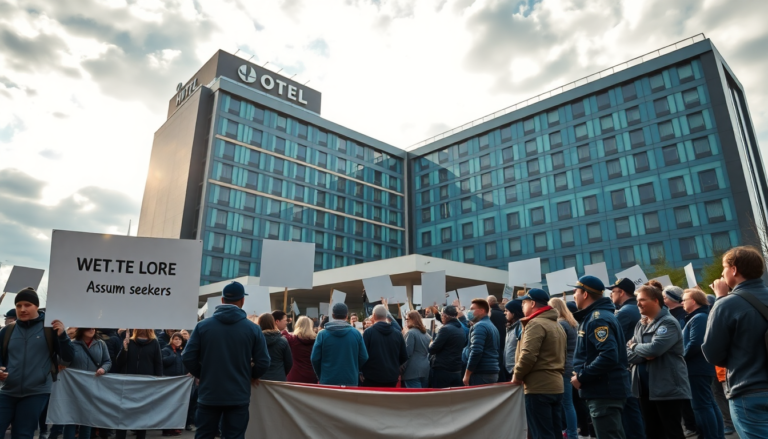
Sir Keir Starmer finds himself in the hot seat as the crisis surrounding small boat crossings and asylum hotels spirals out of control. Recent polls reveal that a striking majority of voters feel the Prime Minister is fumbling the situation, leading to urgent calls for more decisive action.
With protests continuing outside hotels housing asylum seekers, the government is facing growing criticism over its handling of this escalating crisis.
Overview of the Crisis
This year alone, a staggering 28,076 individuals have crossed the English Channel in small boats—a shocking 46% increase compared to the same period in 2024.
The ongoing protests at asylum seeker accommodations are a clear signal of public frustration with how the government is managing immigration. A recent YouGov poll shows that 71% of voters are unhappy with the Prime Minister’s approach to the asylum hotel issue, including a significant 56% of Labour supporters.
This discontent underscores a broader concern that the government is lacking a coherent strategy to tackle the crisis effectively.
Lord Blunkett, a former Labour Home Secretary, has openly criticized the government for not offering a “comprehensive answer or an understandable narrative” regarding the asylum issue. He stressed the urgent need for a radical shift in approach, even suggesting that temporarily suspending certain human rights conventions might be necessary to regain control. As public sentiment continues to sour, the pressure on both the government and the Labour Party is mounting.
Government Responses and Public Concerns
The government has rolled out new measures aimed at speeding up the asylum appeals process, a topic that has sparked much debate. Currently, asylum appeals take an average of 53 weeks, contributing to a significant backlog. Home Secretary Yvette Cooper has called these delays “completely unacceptable,” acknowledging that many failed asylum seekers can linger in the system for years.
To ease the pressure, the Home Office plans to implement a new system where independent adjudicators handle asylum appeals instead of tribunal judges. This change is touted as a way to create a “swift, fair, and independent” system, but critics are not convinced. Imran Hussain from the Refugee Council pointed out that the fastest way to speed up appeals is to ensure that initial decisions are accurate. Alarmingly, nearly half of current appeals are successful, highlighting flaws in the initial assessments.
Political Reactions and Future Implications
Scottish Labour leader Anas Sarwar has firmly rejected the idea of sidelining human rights protections, advocating instead for a collaborative approach with international partners to tackle the crisis. He emphasized the complexity of the situation and the urgent need to address systemic issues within the immigration system.
As this crisis unfolds, the Labour Party has committed to eliminating the use of asylum seeker hotels by 2029. However, the rising dissatisfaction among voters poses a significant challenge for Starmer’s leadership. Official figures show that 111,084 individuals applied for asylum in the UK in the year leading up to June 2025, intensifying the pressure to find effective solutions.
As protests continue and public opinion shifts, the effectiveness of the government’s strategies will play a crucial role in shaping the future of immigration and asylum policy in the UK. The situation remains fluid, with further developments expected as key stakeholders navigate the complexities of this ongoing crisis. Is the government prepared to meet the challenge, or will the situation continue to spiral out of control?
