

Could your bottled water be harming your health? Let's dive into the shocking reality of microplastics and their impact on our bodies.
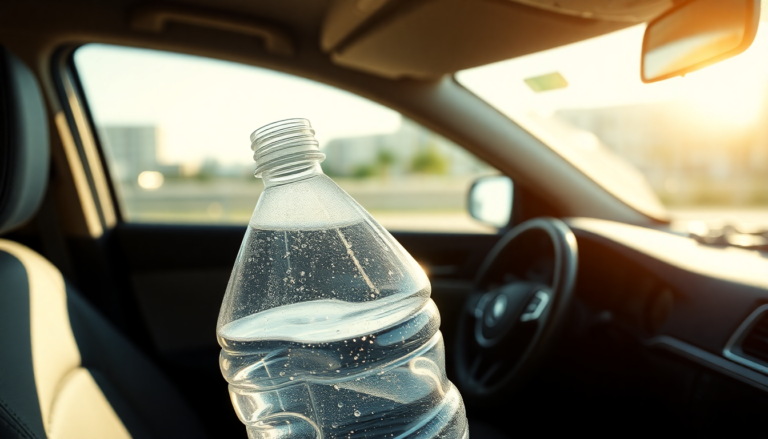
Have you ever left a plastic water bottle in your car, only to grab it later and take a sip? If so, you might want to think twice about that habit. Recent studies are raising alarms about the potential health risks associated with drinking bottled water left in vehicles, especially during those scorching hot days.
Let’s dive into the science behind microplastics and explore why you should be a bit more cautious about your hydration choices. 💧
The Microplastic Epidemic
Okay, but can we talk about microplastics for a second? These tiny plastic particles have infiltrated our environment—and, shockingly, our bodies.
Research suggests that a staggering 80% of bottled water contains these microplastics, along with other harmful substances that could lead to serious health issues. Imagine sipping water that might be linked to problems like cancer, fertility issues, and developmental delays in children.
Crazy, right? 🤯
One alarming study from Nanjing University in China exposed plastic water bottles to extreme heat—think 158°F for four weeks. The result? Toxic substances like antimony and bisphenol A (BPA) leached into the water. Antimony can cause headaches and stomach pain, while BPA is linked to even graver health concerns, including cancer and reproductive issues. Who else is feeling uneasy right now? 😟
But it doesn’t stop there. Another investigation from McGill University found that common plastics released micro and nanoparticles when heated to just 98.6°F. Meanwhile, bottles kept in cooler conditions barely released any particles. It seems the heat really is the enemy here! 🔥
The Hidden Costs of Convenience
Many of us are guilty of grabbing a bottle of water for convenience, especially on those sweltering days. But here’s the kicker: after just 20 minutes in a car on an 80°F day, the temperature inside can skyrocket to a staggering 109°F. Just think about what that does to the plastic! 🚗💦
Columbia University researchers revealed that, regardless of the brand, bottled water can contain hundreds of thousands of toxic microscopic plastic particles. Using advanced laser scanning, they found an average of 240,000 plastic particles in just one liter of bottled water. For comparison, that’s way more than the 5.5 particles found in a liter of tap water. Ugh! 😱
These particles, known as nanoplastics, are so tiny that they can enter our blood cells and even reach our brains. And they carry phthalates—chemicals that can disrupt hormones and have been linked to premature deaths. It’s a scary thought, isn’t it? 🧬
Time for Change
With all this evidence piling up, health experts are calling for immediate action. Microplastics are linked to a range of serious health issues, from birth defects to cancer, and it’s clear that something needs to change. Some researchers argue that policymakers should rethink regulations surrounding plastic use and encourage alternatives that don’t pose such risks to our health and environment. 🌍
As consumers, we have the power to make informed choices. Next time you’re about to grab a bottle of water left in a hot car, maybe consider other options. Reusable bottles are a fantastic alternative; they not only help reduce the demand for single-use plastics but also keep your drink cooler for longer! Win-win! 🙌
So, what’s your take on this? Are you planning to change how you hydrate, or do you think it’s all overblown? Let’s chat in the comments! 💬✨
