

Discover the alarming rise in antisocial behaviour in South Belfast as new statistics are released.
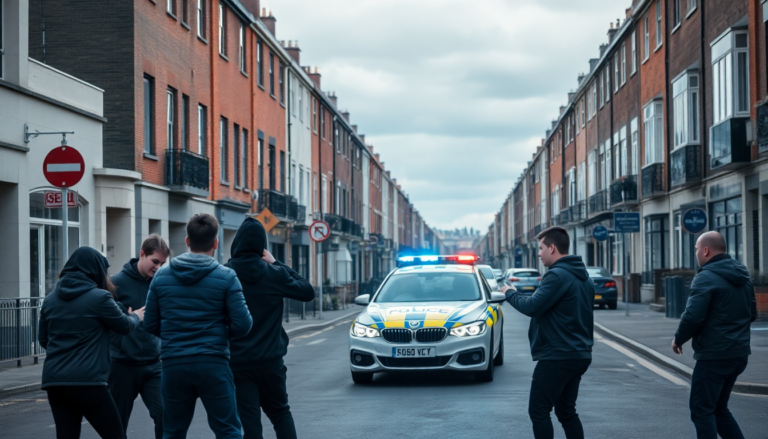
Recent statistics from the Police Service of Northern Ireland (PSNI) reveal a troubling trend: antisocial behaviour is on the rise in South Belfast, a region typically associated with affluence. Between August 1, 2024, and July 31, 2025, South Belfast recorded an alarming 4,675 incidents—a 5.6% jump from the previous year.
This spike has catapulted South Belfast to the top of the list for antisocial behaviour incidents in all of Northern Ireland, outpacing other areas of Belfast.
Rising Statistics and Comparisons
The latest PSNI figures are striking. South Belfast’s antisocial behaviour incidents are nearly on par with the entire Armagh, Banbridge, and Craigavon council area, which reported 4,904 incidents.
This area now holds the highest number of incidents outside Belfast. In comparison, North Belfast saw 4,283 incidents, while East and West Belfast reported 2,704 and 2,608 incidents, respectively. Isn’t it alarming how a once-peaceful area is now grappling with such issues?
Overall, the Belfast City Council area accounted for a staggering 14,270 reported incidents—marking a 5.8% increase compared to last year.
The trend is concerning, with Armagh City, Banbridge & Craigavon close behind at 4,904 incidents and a 3.9% increase. Meanwhile, Newry, Mourne & Down recorded a 6.1% rise with 4,007 incidents, and Derry City and Strabane noted 3,512 incidents, reflecting a 2.8% increase. What does this mean for community safety across the board?
Other areas like Ards & North Down (3,220 incidents), Causeway Coast and Glens (2,904), Antrim and Newtownabbey (2,783), and Mid and East Antrim (2,696) also show significant figures. Notably, North Belfast experienced the highest percentage increase in antisocial behaviour, climbing 9.1% over the previous year, while East Belfast and the Belfast City Council area also saw notable increases of 6% and 5.8%, respectively. It’s clear that this is an issue that needs immediate attention.
Highlights of the Report
Overall, the number of antisocial behaviour incidents in Northern Ireland has reached 44,821, reflecting a 2.1% increase (925 incidents) from the previous year. Interestingly, despite this rise, police officials assert that these figures remain among the lowest recorded since data collection began in 2006/07. Could this mean that some areas are effectively managing these issues?
On a brighter note, some regions have reported decreases in incidents. Mid and East Antrim saw the most significant drop at -9.1%, followed closely by Fermanagh and Omagh with a -9% decrease. Similarly, Derry and Strabane experienced a 2.8% drop, and both Lisburn and Castlereagh City and Ards and North Down also showed minor reductions. It’s encouraging to see positive changes in some communities.
UPDATE AT [timestamp]: All eleven policing districts have experienced an increase in antisocial behaviour incidents between June and July 2025, highlighting a persistent issue that local authorities must tackle head-on.
Community Response and Implications
The rise in antisocial behaviour in affluent areas like South Belfast raises pressing questions about community safety and the effectiveness of current strategies to combat these incidents. Local residents are understandably concerned about the implications for their neighborhoods, often calling for a stronger police presence and enhanced community engagement. What can be done to restore a sense of safety?
As authorities delve deeper into these statistics, there’s a pressing need to implement strategies that effectively address the root causes of antisocial behaviour. Community workshops, outreach programs, and collaboration with local organizations could be key in reversing these troubling trends. Isn’t it time we all got involved to make our communities safer?
In conclusion, the latest PSNI statistics underscore an urgent need for intervention and community involvement to confront the rising tide of antisocial behaviour across Northern Ireland—especially in areas that were once deemed safe. How can we work together to turn this situation around?
