

The voices of Nepal’s youth are rising, and they’re demanding change. Here’s what you need to know about the ongoing protests.
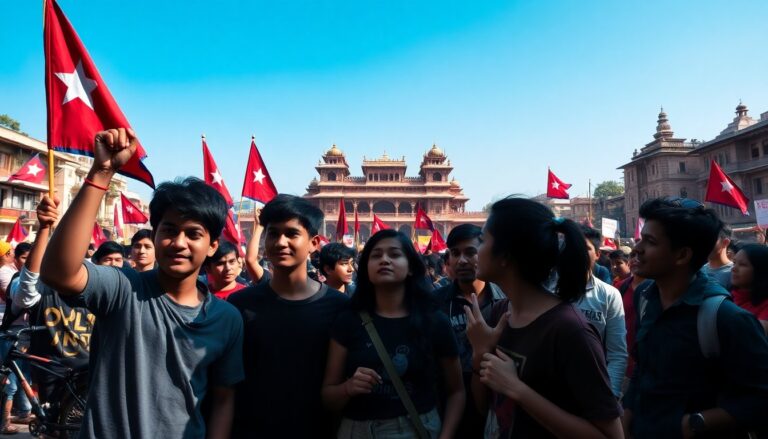
The ongoing protests in Nepal have become a focal point for youth activism, reflecting the aspirations and frustrations of a generation. These demonstrations are not merely episodic events; they signify a profound shift in the political landscape, driven by young people advocating for their rights and future.
The Backstory: Why Now?
The current wave of protests in Nepal is largely fueled by widespread frustration among the youth regarding government corruption, unemployment, and inadequate representation. This situation has not arisen overnight; it is the culmination of years of pent-up discontent among young people seeking change.
Activists are harnessing the power of social media to amplify their message and organize effectively. Platforms such as Twitter and Instagram are being utilized to share experiences and garner international support, marking a significant evolution in how activism is conducted.
However, the risks associated with these protests are substantial. As clashes with authorities escalate, the safety of protestors is increasingly jeopardized. The courage displayed by these young individuals is both commendable and distressing, highlighting the stakes of standing up for one’s beliefs.
The Protest Dynamics: A New Generation Takes Charge
The ongoing protests represent a significant transformation in how activism is perceived among Nepal’s youth. Once viewed as perilous or ineffective, engaging in protest has now become a powerful statement of self-advocacy and community solidarity. This shift may redefine the future of activism in the country.
Protestors are not merely voicing their concerns; they are fostering a sense of community. By sharing their narratives and forming connections, they are creating an extensive network that bridges geographical divides. This collective effort emphasizes accountability and ensures that their demands resonate widely.
The integration of technology into these protests is noteworthy. The documentation and dissemination of protest activities are changing the narrative of activism. Young people are taking on active roles, effectively shaping their own narrative in real time. This evolution may set a precedent for similar movements in other nations grappling with analogous challenges.
What’s Next? The Future of Youth Activism in Nepal
Looking ahead, the trajectory for these passionate young activists remains uncertain, yet their commitment to change is evident. The protests have ignited critical discussions surrounding democracy, freedom, and the empowerment of youth in shaping the future of their nation. This movement is merely the beginning, and its evolution will be closely monitored.
As events continue to unfold, it is crucial to engage in dialogue about the implications of these protests. What are your thoughts on the situation in Nepal? How do you view the courage exhibited by the youth? Your insights are welcome as we navigate this pivotal moment in history.
