

London's Tube strikes have left commuters scrambling for alternative transport as services remain severely disrupted.
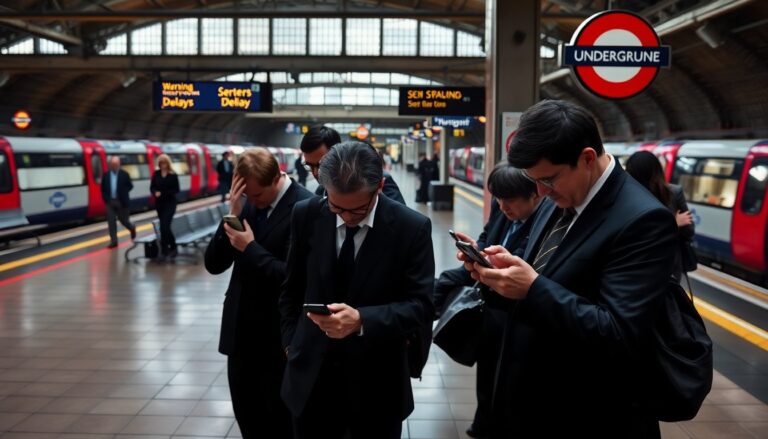
LONDON COMMUTERS are grappling with severe disruptions as strikes by the Rail, Maritime and Transport union (RMT) continue to paralyze the Tube and Docklands Light Railway during peak hours. The industrial action has been labeled “Torrid Tuesday” as Tube services struggle to operate effectively, following a minimal number of trains running the previous day.
CURRENT SITUATION AND IMPACT
As of today, the situation remains dire, with the Tube largely incapacitated. The RMT’s walkout has resulted in a significant reduction of operational services, particularly affecting the evening rush hour. Passengers seeking alternatives have turned to buses, which have become unusually crowded, while the Elizabeth Line and London Overground, unaffected by the strikes, have seen a surge in passengers.
In a positive turn, Transport for London (TfL) reported that the Northern Line has managed to operate with some services running, albeit with minor delays. This development comes as a relief for many commuters who are desperately seeking ways to navigate the city amid the ongoing chaos.
In stark contrast, the Docklands Light Railway (DLR) has been entirely suspended, leaving passengers with fewer options. As a response to the disruptions, e-bike operator Lime reported a staggering 58% increase in trips during the morning peak on the first day of strikes, indicating a shift toward cycling as a viable means of transportation.
UNION’S DEMANDS AND GOVERNMENT RESPONSE
The RMT has rejected a proposed 3.4% pay rise, demanding instead a reduction in the 35-hour workweek. TfL has labeled these demands as financially unfeasible, leading to a standoff that has prompted both Downing Street and London Mayor Sadiq Khan to urge the union to return to the negotiating table.
During a recent speech, Khan stated he could not intervene directly to end the industrial action, citing that past pay rises were granted under “exceptional circumstances.” This response highlights the ongoing tensions between labor demands and operational capabilities within London’s transport system.
As the strikes persist, commuters face the prospect of prolonged disruptions, with RMT leaders warning of potential escalations in their industrial action, including threats to the Elizabeth Line services. The uncertainty surrounding the future of Tube operations adds to the growing anxiety among London’s commuters.
WEATHER AND TRAVEL ADJUSTMENTS
As commuters adapt to the strikes, they may also need to prepare for inclement weather. The Met Office has forecast variable cloud and scattered showers for tomorrow, with temperatures peaking at 18°C (64°F). Commuters are advised to pack umbrellas and waterproof coats as they navigate their journeys.
In light of the ongoing strike, TfL has attempted to keep vital services operational, but disruptions are expected to continue. The public transport authority has also noted that delays on Thameslink trains may persist due to earlier operational incidents, adding another layer of complexity to the travel scenario.
As Londoners turn to alternative transport solutions, the reliance on cycling and rideshare services underscores the increasing demand for flexible commuting options during this period of instability. Lime’s spokesperson emphasized the critical role that shared bikes play in maintaining mobility in the city, especially during disruptions like these.
CONCLUSION
As of today, the situation remains dire, with the Tube largely incapacitated. The RMT’s walkout has resulted in a significant reduction of operational services, particularly affecting the evening rush hour. Passengers seeking alternatives have turned to buses, which have become unusually crowded, while the Elizabeth Line and London Overground, unaffected by the strikes, have seen a surge in passengers.0
