

Could this prisoner release mark the beginning of a new chapter for Belarus and the US? Let’s dive in!
Major Developments in Belarus
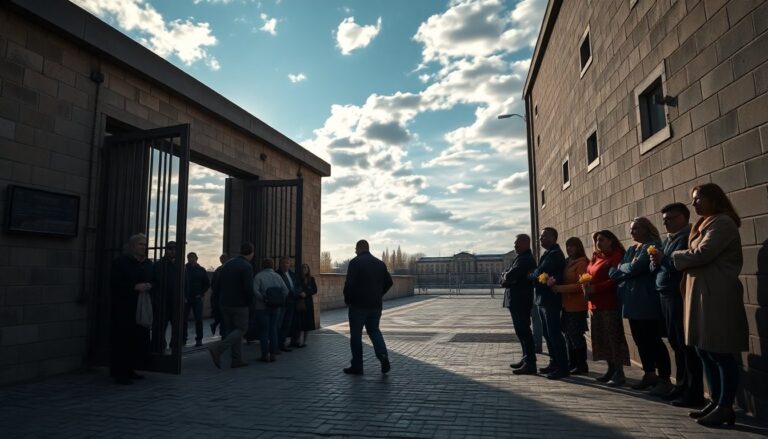
Belarus is witnessing a significant political shift as President Alexander Lukashenko announces the release of 52 prisoners. This decision follows extensive mediation by the United States. Analysts suggest this move is intended to improve relations with the West and potentially alleviate ongoing sanctions against Belarus.
The Context Behind the Release
The backdrop to this development involves a historically complex relationship between Belarus and Western nations, particularly the United States. Lukashenko, often perceived as an authoritarian leader, has maintained a close alliance with Russia’s Vladimir Putin.
However, recent diplomatic overtures may indicate a shift in strategy.
On Thursday, Lithuanian President Gitanas Nauseda confirmed that the released prisoners safely crossed into Lithuania. He stated, “No man left behind! 52 prisoners safely crossed the Lithuanian border from Belarus today, leaving behind barbed wire and constant fear.” This statement underscores the dire circumstances faced by those imprisoned.
Among those released was Ihar Losik, a journalist who received a 15-year sentence in 2021. His case highlights the challenges journalists encounter in oppressive regimes. The U.S. embassy in Vilnius confirmed his release, prompting discussions on media freedom in Belarus and beyond.
Implications for Belarus and the United States
The U.S. has indicated that it will provide sanctions relief to Belarus’s national airline, Belavia, allowing it to service its fleet, including Boeing aircraft. While this development may seem beneficial, it is important to recognize that the release of these prisoners represents only a small fraction of the approximately 1,300 political prisoners still detained.
Exiled opposition leader Sviatlana Tsikhanouskaya noted that this release addresses only about 4% of the total political prisoners. She described the situation as a “trade in human lives,” raising concerns about the sincerity of the government’s intentions. This situation leads to critical questions: Is this a genuine step toward democracy or merely a tactical maneuver?
Looking Ahead: The Future of Belarus
The implications of this prisoner release could be profound for Belarus’s future. It signifies not only a potential shift in political dynamics but also what this means for Belarus’s relationship with the West. It may herald a new chapter, or merely represent another episode in a lengthy history of political maneuvering. Lukashenko has ruled for over three decades, making future outcomes difficult to predict.
This release occurs against a backdrop of increased military activities in the region, including joint exercises between Russia and Belarus. The geopolitical tension remains high, particularly given Belarus’s borders with NATO countries, which adds complexity to the current situation.
As events unfold, observers will need to evaluate whether this prisoner release marks a genuine evolution in Belarusian politics or if it is simply a temporary fix. The conversation surrounding human rights and political freedom in Belarus remains critical and ongoing.
