

**Investigate the Nature of Incidents and Their Societal Impact** - Conduct in-depth analyses of various incidents to understand their causes and consequences. - Evaluate the effects of incidents on communities and social dynamics. - Develop reports that highlight key findings and suggest actionable strategies for mitigation and prevention. - Collaborate with stakeholders to address the implications of incidents on public health, safety, and overall societal well-being. - Utilize data-driven methodologies to assess incident trends and their long-term impacts on society. - Advocate for policies that enhance community resilience in the face of incidents.
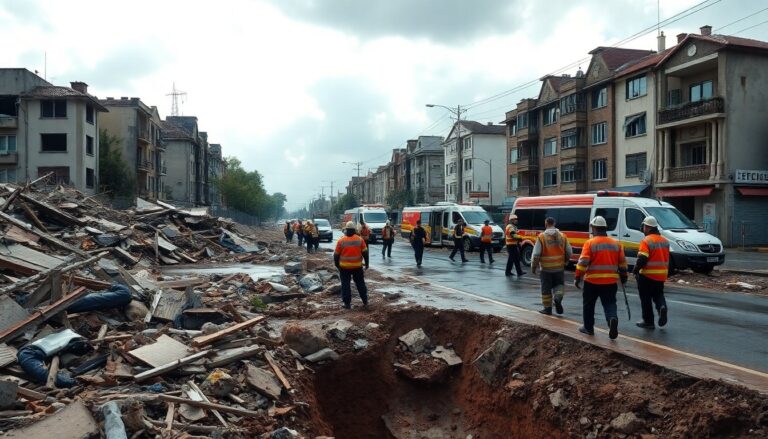
In an increasingly interconnected world, incidents can have profound implications for individuals, communities, and organizations. From natural disasters to technological failures, these events disrupt daily life and challenge our resilience. Understanding the nature of incidents and our responses is crucial for minimizing their impact and facilitating recovery.
Understanding incidents
An incident is typically an unexpected event that disrupts normal operations. These events can be categorized into three types: natural incidents, human-made incidents, and technological incidents.
Natural incidents
Natural incidents include events such as earthquakes, floods, and hurricanes.
These events can cause extensive damage to infrastructure, homes, and the environment. The impact of natural incidents is often worsened by factors like population density and preparedness levels. For instance, urban areas may face greater challenges due to the concentration of people and resources, complicating recovery efforts.
Human-made incidents
Human-made incidents range from terrorist attacks to industrial accidents. These events often lead to loss of life, economic disruption, and long-lasting psychological effects on affected populations. The response to human-made incidents usually involves law enforcement and emergency services, underscoring the need for coordinated efforts to ensure public safety.
Implications of incidents
The implications of incidents can be far-reaching, affecting not only those directly involved but also the broader community and economy. One significant consequence is the economic impact that often follows an incident. For example, businesses may face operational interruptions, leading to financial losses that ripple through the local economy.
Psychological effects
Beyond physical damage, incidents can also have profound psychological effects on individuals. Survivors of traumatic events often experience symptoms of post-traumatic stress disorder (PTSD), anxiety, and depression. Communities may grapple with collective grief and trauma, necessitating targeted mental health interventions to support recovery.
Community resilience
Despite the challenges posed by incidents, communities have the potential to grow stronger through the experience. Community resilience refers to a community’s ability to bounce back from adversity. By fostering strong social networks, effective communication, and collaboration among stakeholders, communities can enhance their capacity to respond to incidents and minimize their impact.
Effective responses to incidents
Developing effective responses to incidents is vital for mitigating their impact. This involves a multifaceted approach that includes preparedness, response, and recovery efforts. Preparedness ensures that individuals and organizations are equipped to handle incidents when they arise. This can involve creating emergency plans, conducting drills, and raising awareness about potential risks.
Emergency response planning
Emergency response planning plays a pivotal role in how effectively a community can respond to incidents. Establishing protocols for communication, resource allocation, and coordination among agencies is essential. A well-structured response plan can significantly reduce chaos during an incident, ensuring efficient resource utilization.
Long-term recovery strategies
Long-term recovery strategies address the aftermath of an incident. This may involve rebuilding infrastructure, providing mental health support, and restoring economic stability. Engaging community members in the recovery process fosters a sense of ownership and empowerment, ultimately leading to a more resilient community.
An incident is typically an unexpected event that disrupts normal operations. These events can be categorized into three types: natural incidents, human-made incidents, and technological incidents.0
