

Professional Summary Dynamic professional focused on analyzing the significant influence of incidents on safety protocols and public policy development. Committed to leveraging data-driven insights to enhance community safety and inform policy decisions. Proven track record in engaging stakeholders and implementing effective strategies for risk management and incident response.
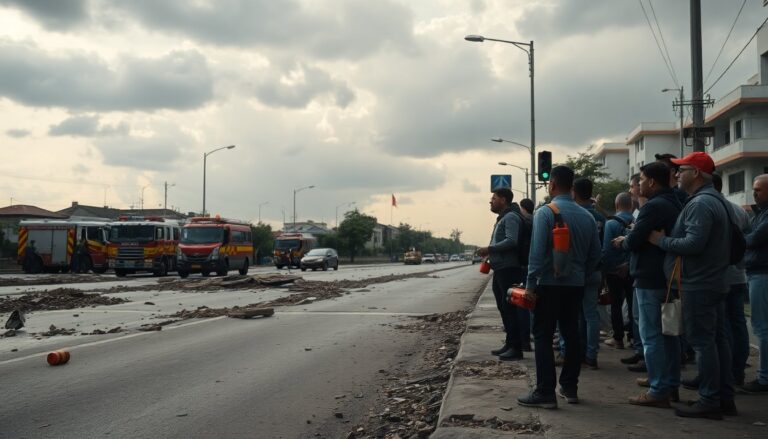
Incidents, whether they involve natural disasters, accidents, or criminal activities, significantly affect society. These events not only prompt immediate responses from emergency services but also shape public policy, influence community behavior, and affect individual safety measures. Understanding these impacts is crucial for building resilient communities and enhancing safety protocols.
Types of incidents and their immediate effects
Incidents can be classified into several categories, such as natural disasters (like earthquakes and floods), technological accidents (including industrial spills), and criminal activities (such as terrorism and violent crime). Each category presents distinct challenges and immediate consequences for the communities involved.
Natural disasters and community resilience
Natural disasters can strike unexpectedly, creating urgent needs for emergency responses. For example, during a hurricane, local governments and agencies must act swiftly to provide shelters, food, and medical care. Following such events, communities often unite to rebuild and recover.
This collective effort is known as community resilience, which tests the strength and adaptability of individuals and institutions.
Communities that have faced past natural disasters typically develop enhanced preparedness strategies. They may create early warning systems and conduct regular drills to ensure residents are well-informed about effective responses. The insights gained from previous incidents contribute to stronger infrastructure and policies designed to mitigate future risks.
Technological accidents and regulatory changes
Technological accidents, such as chemical spills or nuclear incidents, often lead to significant regulatory changes. A notable example is the Deepwater Horizon oil spill, which resulted in the U.S. government implementing stricter regulations on offshore drilling. These incidents underscore the necessity for more robust safety measures, prompting a reevaluation of existing policies to avert similar occurrences in the future.
Following such technological incidents, companies frequently face accountability, which drives a demand for increased transparency and stricter compliance standards. These regulatory changes aim to enhance safety for both workers and surrounding communities, often influencing public perceptions regarding corporate responsibility.
Long-term societal implications of incidents
The implications of incidents often reach far beyond their immediate aftermath. They can significantly shape public sentiment, alter political landscapes, and redefine societal norms. For example, a series of violent incidents may spur demands for stricter gun control laws, highlighting a shift in priorities regarding public safety.
Shifting perceptions and policy responses
As incidents unfold, public perception often shifts, leading to heightened calls for change. Grassroots movements frequently emerge, advocating for new legislation or reforms aimed at improving public safety. For instance, increased awareness surrounding mass shootings has sparked significant debates over gun laws in various countries, illustrating how community reactions to such events can influence legislative action.
Furthermore, the psychological effects of these incidents can persist, shaping how communities perceive safety and security. Individuals may adopt a more vigilant and cautious approach, resulting in alterations to their lifestyles and levels of community involvement. This transformation can cultivate a culture of safety, where preparedness and awareness become integral to daily living.
The role of technology in enhancing safety
Technology is a key factor in improving safety and preventing incidents. Innovations in artificial intelligence and data analytics are increasingly used to predict and manage risks across various sectors. For example, predictive analytics can assess patterns in crime data, enabling law enforcement agencies to allocate resources more efficiently.
Moreover, smart technologies integrated into urban planning, such as smart traffic lights and surveillance systems, significantly enhance public safety. These advancements facilitate quicker emergency responses and foster better communication between residents and authorities during critical situations.
Building a safer future
Incidents have a significant and varied impact, influencing aspects from personal behavior to public policy. It is essential for communities to learn from previous events and actively adopt measures that enhance safety and resilience. By promoting a culture of preparedness and leveraging technology to anticipate and mitigate risks, society can pave the way for a safer future for everyone.
