

Explore the Complexities of the UK Political Landscape and Its Impact Dive deep into the intricacies of the United Kingdom's political environment, analyzing key developments, trends, and their implications for governance, policy-making, and society at large.
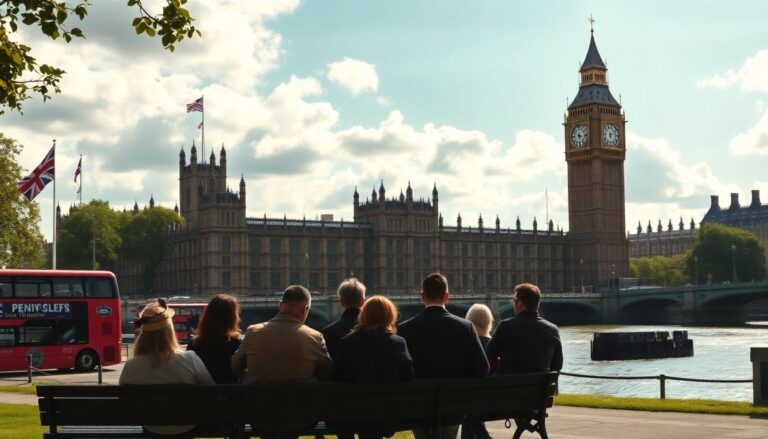
Understanding the political landscape of the United Kingdom
The United Kingdom has consistently attracted the attention of political analysts and observers. Its political landscape is shaped by a complex mix of history, culture, and governance structures. For those looking to engage with UK politics—whether as a citizen, student, or global observer—grasping this landscape is essential.
The parliamentary system
At the core of UK politics is the Parliamentary system, which consists of two houses: the House of Commons and the House of Lords. The House of Commons is where elected Members of Parliament (MPs) represent the public’s interests.
In contrast, the House of Lords serves as a revising chamber, made up of appointed members, including life peers, bishops, and hereditary peers. This dual structure plays a vital role in maintaining the effectiveness of UK democracy.
The role of political parties in the UK
Political parties are essential in shaping the political landscape of the United Kingdom. The two main parties, the Conservative Party and the Labour Party, have historically defined British politics. Each party holds distinct ideologies and policy priorities that significantly influence the nation’s direction.
The Conservative Party is typically associated with center-right policies, prioritizing free market principles, individual responsibility, and a robust national defense. Conversely, the Labour Party champions social equality and public ownership, often advocating policies designed to enhance welfare and improve public services.
Emergence of third parties
The political landscape is becoming increasingly complex due to the rise of third parties. Organizations like the Scottish National Party (SNP) and the Liberal Democrats are challenging the long-standing two-party system. The SNP, for instance, prioritizes Scottish independence and has garnered significant support throughout Scotland.
This trend signifies a larger movement towards regionalism within the UK, where local issues and identities are gaining prominence. Political parties now face the challenge of navigating this shifting environment. They must effectively address the diverse needs of their constituents while striving to maintain a cohesive national agenda.
The facts
The United Kingdom is currently navigating significant political challenges stemming from both domestic and international sources. A primary concern is Brexit, the UK’s departure from the European Union. This pivotal decision has not only altered economic policies but also sparked debates around national identity and sovereignty.
The consequences
Following Brexit, the UK is facing the complexities of establishing new trading relationships and regulatory frameworks. As the nation carves its own path outside the EU, discussions continue regarding the potential advantages and disadvantages of this transition. Industries such as fishing, agriculture, and manufacturing are particularly affected, as stakeholders assess the long-term implications of these changes.
Social issues and public sentiment
Addressing social issues, especially those related to inequality and public health, remains a critical challenge. The COVID-19 pandemic has exposed existing disparities in society and has prompted a reevaluation of public health strategies. The government’s response to the pandemic has come under scrutiny, raising debates about the effectiveness of measures taken and their long-term implications for the National Health Service (NHS).
Public sentiment plays a significant role in shaping political discourse. Recent surveys show a rising demand for transparency and accountability from political leaders. Citizens are becoming more engaged in political discussions, leveraging social media platforms to express their opinions and advocate for change.
The future of UK politics
The future of UK politics remains uncertain, yet it is ripe with opportunities for transformation. As political parties adjust to evolving public sentiment and emerging social issues, new leaders and movements are expected to gain prominence. The challenge lies in crafting a cohesive vision that addresses the diverse needs of all citizens while navigating the complexities of a multifaceted political landscape.
The UK political environment is a dynamic and intricate web of parties, ideologies, and challenges. Understanding the nuances of this context is crucial for anyone aiming to engage with or analyze UK politics. As the nation evolves, the interplay of local and national issues will continue to influence its trajectory.
