

Resilience and Community Impact Specialist Professional Summary: Dedicated professional with a proven track record of driving positive change in communities affected by incidents. Skilled in fostering resilience and implementing effective strategies to mitigate the impact of crises. Committed to enhancing community engagement and promoting sustainable recovery initiatives. Core Competencies: Community Resilience Development Crisis Management and Response Strategic Planning and Implementation...
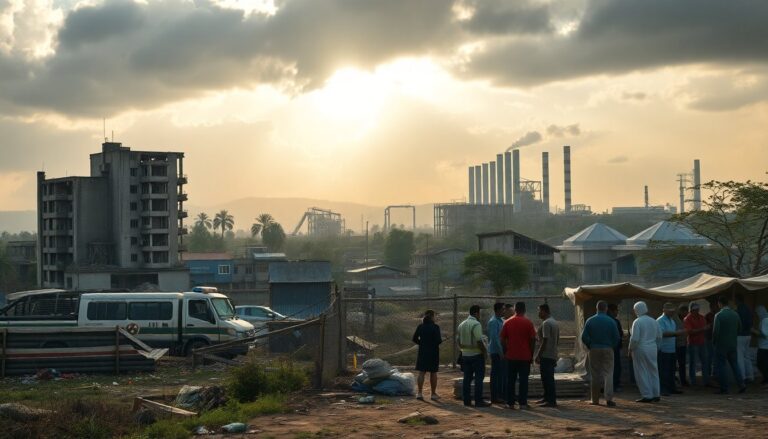
Incidents, such as natural disasters, industrial accidents, or social upheavals, profoundly affect communities. These events can change the fabric of society, compelling individuals and organizations to adapt, respond, and recover. This article explores the various dimensions of incidents and their implications for communities, emphasizing how they shape human experiences and interactions.
The nature of incidents
Incidents can be categorized based on their origin and impact. Natural disasters like hurricanes, earthquakes, and floods are often unpredictable and can cause significant destruction. Conversely, man-made incidents, including industrial accidents or terrorist attacks, are rooted in human actions and decisions.
Each type of incident presents unique challenges and requires different responses from affected communities.
Natural disasters
Natural disasters rank among the most devastating incidents. The impact of floods, for example, can result in loss of life, population displacement, and long-term economic challenges.
Communities often unite in the aftermath of such events, demonstrating resilience and solidarity. However, the recovery process can span years and necessitates substantial support from local and federal governments, along with non-governmental organizations.
Community response to incidents
When an incident occurs, the immediate response from a community is crucial. Emergency services play a vital role in ensuring safety and providing immediate assistance. Nonetheless, community members frequently take the initiative to help one another, showcasing the power of grassroots movements. These responses can include organizing food drives, offering shelter for the displaced, or raising funds for recovery efforts.
The role of communication
Effective communication during and after an incident is critical. Timely information dissemination can help alleviate fear and uncertainty. Communities that maintain strong communication networks are often better equipped to handle crises. Social media has emerged as an essential tool for sharing information quickly, allowing communities to coordinate their responses more effectively.
Long-term effects on community dynamics
The aftermath of an incident can lead to significant changes in community dynamics. For instance, an incident may expose existing vulnerabilities in infrastructure or social cohesion. As communities navigate recovery, they often reassess their priorities and develop new strategies for resilience. This process can lead to improved disaster preparedness and strengthened community ties.
Moreover, incidents can prompt shifts in policy and governance. Policymakers may recognize the need for enhanced regulations to prevent future incidents or improve emergency response systems. These changes are frequently driven by community advocacy, where individuals unite to demand accountability and reform.
Fostering resilience
Building community resilience is a crucial outcome of responding to incidents. Resilience involves not just bouncing back but also adapting to new realities. Communities that engage in planning and training exercises prior to an incident are more likely to recover swiftly. Establishing support networks and involving local leaders can enhance a community’s overall capacity to withstand future challenges.
Incidents—whether natural or man-made—have far-reaching effects on communities. They can disrupt lives, but they also present opportunities for growth, solidarity, and enhanced resilience. Understanding these impacts is essential for developing effective strategies to support communities in times of crisis. By fostering strong communication, planning, and community engagement, societies can better prepare for and respond to the inevitable incidents that arise.
