

Explore the rich tapestry of England's captivating history and cultural heritage.
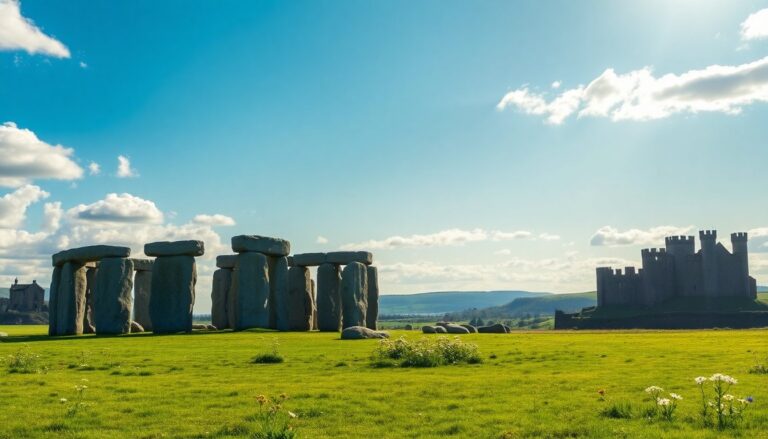
England, a country steeped in history and tradition, presents a compelling narrative that shapes its identity. From the ancient Stonehenge to the bustling streets of modern London, England’s journey through time reflects a diverse tapestry of cultures, events, and innovations.
This article explores the multifaceted aspects of England’s history, culture, and its lasting impact on the world.
The historical significance of England
England’s history is marked by influential events that have shaped not only the nation but also the globe.
The Roman conquest in 43 AD introduced new infrastructure and governance, laying the groundwork for future developments. Following this, the Norman Conquest in 1066 further transformed England, leading to significant social and political changes. The Domesday Book, created under William the Conqueror, remains a vital source for understanding medieval England.
Key historical events
Throughout the centuries, several key events have defined England’s trajectory. The Magna Carta in 1215 established principles of legal rights, ultimately influencing democratic systems worldwide. The Industrial Revolution in the 18th and 19th centuries marked a turning point, propelling England into a new age of innovation and economic growth. This period not only altered the landscape of England’s cities but also set a precedent for industrialization across the globe.
Cultural richness and diversity
England’s culture is a dynamic blend of tradition and modernity. It boasts a rich literary heritage, with iconic authors like William Shakespeare and Charles Dickens, whose works continue to resonate today. The English language itself, originating from the Germanic languages brought by the Anglo-Saxons, has evolved into a global lingua franca, showcasing England’s cultural influence.
Art and music
The arts thrive in England, from visual arts to music. The Royal Academy of Arts and the Tate Modern house masterpieces that tell the story of England’s artistic evolution. In music, England has produced world-renowned bands like The Beatles and Queen, shaping the landscape of popular music and inspiring new generations.
Influence on global culture
England’s impact extends beyond its borders, influencing global culture in various ways. The establishment of the British Empire spread English culture, language, and governance to numerous countries, leaving a lasting legacy. Today, the Commonwealth of Nations fosters connections among member states, promoting cultural exchange and cooperation.
Additionally, England’s culinary landscape, often considered understated, has evolved into a vibrant mix of traditional dishes and international flavors. The advent of British cuisine, influenced by its colonial past, showcases a fusion of tastes that reflect the country’s diverse history.
Modern England
In contemporary times, England stands as a melting pot of cultures, with cities like London, Birmingham, and Manchester reflecting this diversity. The multiculturalism in these urban centers brings together traditions from around the world, enriching the social fabric of England. Festivals celebrating different cultures and cuisines flourish, promoting inclusivity and understanding among communities.
The evolution of technology has played a pivotal role in shaping modern England. The rise of the digital economy has established England as a leader in technological innovation, with cities becoming hubs for startups and tech companies.
England encapsulates a rich narrative of history, culture, and influence. From its ancient roots to its modern advancements, England’s journey is a testament to resilience and adaptability. As the world continues to change, England remains a beacon of cultural heritage and historical significance.
