

Explore the transformative role of technology in sports and its impact on athletes and fans alike.
How sports technology works
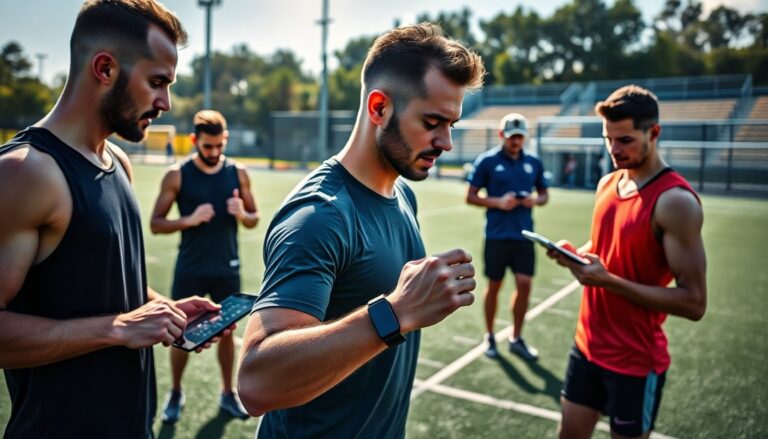
Sports technology includes a variety of tools and systems aimed at enhancing athletic performance, training efficiency, and fan engagement. Innovations in this field range from wearable devices that monitor athletes’ biometrics to video analysis software that delivers real-time feedback on performance.
For instance, a smart fitness tracker measures heart rate and calories burned, similar to a coach analyzing player statistics during a game.
Pros and cons
The integration of technology in sports offers several advantages, such as enhanced performance analysis, injury prevention, and improved fan experiences.
For example, biomechanical analysis enables coaches to customize training programs for athletes, resulting in superior outcomes. However, drawbacks exist, including an over-reliance on technology, which may diminish athletes’ intuition and instincts. Furthermore, the cost of advanced technologies can be prohibitive for smaller teams.
Practical applications
Sports technology finds extensive applications across various disciplines. In team sports like soccer and basketball, coaches leverage data analytics to develop strategies based on player performance metrics. In individual sports such as running or swimming, wearable technology provides athletes with insights that help optimize their training regimens. Additionally, virtual reality is increasingly utilized for training simulations, allowing athletes to practice in controlled environments.
Market landscape
The sports technology market is experiencing rapid expansion, driven by increased investments from both private and public sectors. Recent reports indicate that the global sports technology market is projected to reach $30 billion by 2026, with a compound annual growth rate (CAGR) of approximately 20%. This growth is fueled by rising demand for enhanced fan engagement and the necessity for data-driven decision-making within sports organizations.
