

Impact of Recent Immigration Policy Changes by the Trump Administration on Applications from 19 Countries The Trump administration has implemented significant changes to immigration policies, which are now affecting applications from 19 specific countries. These changes stem from heightened security concerns and are designed to enhance national safety. Individuals seeking to navigate the immigration process should be aware of these new regulations and their implications for application...
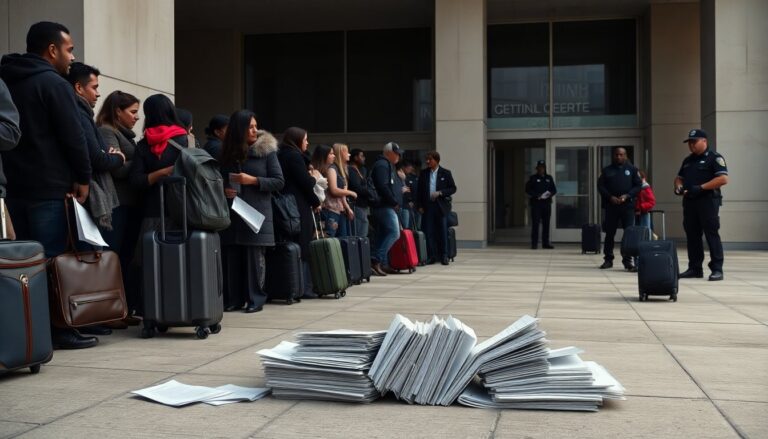
The recent decision by the Trump administration to halt immigration applications marks a significant shift in U.S. immigration policy, particularly affecting individuals from 19 nations. This decision, announced in a memo from the U.S. Citizenship and Immigration Services (USCIS), follows a tragic incident involving the shooting of two National Guard members.
The administration’s rationale for this pause centers on heightened national security concerns.
Details of the immigration pause
The memo released on Tuesday outlines that all immigration applications, including those for green cards, will be suspended for individuals from countries deemed high-risk.
The affected nations include Afghanistan, Myanmar, Chad, and several others. This move follows a travel ban initially implemented in June, which restricted entry from 12 countries and limited access from an additional seven, citing similar security concerns.
According to the memo, the decision falls under the authority of agency director Joseph Edlow, who will determine when to lift the pause.
This stoppage affects a broad spectrum of immigration processes, including naturalization applications, which had previously remained unaffected for immigrants already residing in the U.S. before the travel ban.
Impact on current residents
Individuals already in the United States from these nations will now face increased scrutiny regarding their immigration status. The USCIS has stated it will conduct a thorough review of all approved immigration benefit requests for those who arrived after January 20. This review process is largely a response to the recent shooting incident that resulted in one National Guard member’s death and injuries to another.
The suspect in the shooting, identified as an Afghan national, has been linked to the concerns prompting this policy change. The USCIS has emphasized that, in light of the identified threats, a comprehensive re-evaluation of immigration cases will be necessary.
Reactions and implications
The administration’s actions have drawn criticism from various quarters, with many arguing that these measures amount to collective punishment for immigrants from specific regions. Critics suggest that such sweeping restrictions unfairly target entire populations based on the actions of a few. This sentiment is echoed in ongoing debates about national security and immigration policies.
In addition to the pause on immigration applications, the administration has also suspended all asylum decisions and halted visa issuance for Afghan nationals who aided U.S. military efforts. This multifaceted approach reflects a broader trend of tightening immigration regulations amid national security narratives.
Future considerations
The USCIS plans to prioritize the review of immigrant cases within 90 days of the memo’s release. Depending on the results of this review, certain cases may be referred to immigration enforcement or other law enforcement agencies. This expanded scrutiny comes at a critical time as the administration seeks to bolster its immigration policies in response to recent events.
As discussions around immigration continue to evolve, the implications of these policy changes will likely be the subject of intense scrutiny and debate. The balance between national security and humanitarian considerations remains a contentious issue, particularly as the U.S. navigates its role in global immigration.
The Trump administration’s decision to pause immigration applications for individuals from 19 countries represents a significant policy shift driven by national security concerns. As the situation develops, it will be essential to monitor the impact on those affected and the broader implications for U.S. immigration policy.
