

Title: The Impact of the Sports Workforce on Community Engagement and Development Summary: This document explores the significant role the sports workforce plays in fostering community involvement and driving development initiatives. By leveraging athletic events, programs, and partnerships, the sports sector not only enhances local economies but also cultivates social cohesion and community pride. Key Insights: 1. Economic Development: - Sports organizations create job opportunities and...
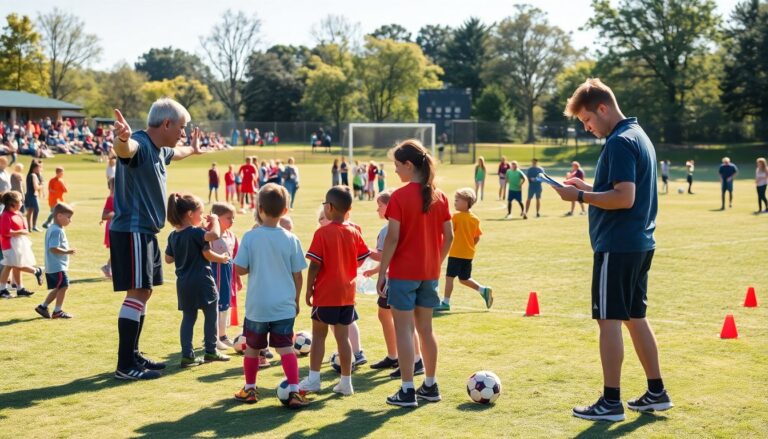
The sports landscape is significantly shaped by its workforce, which includes both volunteers and paid professionals. This diverse group is essential for fostering community engagement in sports and physical activities. Understanding their roles and optimizing their experiences is crucial for increasing sports participation across various demographics.
The composition of the sports workforce
The sports workforce comprises a mix of volunteers, coaches, and professional staff, whether they are employed full-time, part-time, or self-employed. While many coaches receive compensation for their expertise, a substantial number contribute their time voluntarily, driven by passion and commitment to the sport.
Volunteers: The backbone of sports
Volunteers are the unsung heroes of the sports sector. Without their dedication, many sporting events and activities would not take place. Traditionally, volunteering has been viewed as selfless work for the benefit of others; however, this perspective is evolving.
The Volunteering in an Active Nation strategy aims to reshape these perceptions by enhancing the experience of volunteers, thus making it more fulfilling and inclusive.
This strategy emphasizes increasing diversity within volunteer roles, ensuring that individuals from various backgrounds feel welcome and valued. By doing so, it enriches the volunteering experience and broadens the reach of sports initiatives.
Enhancing the professional workforce
To create an effective sports environment, developing the professional workforce is vital. This involves implementing strategic plans aimed at improving the skills of coaches and staff, ensuring they are recognized as professionals in their field. The Sporting Future strategy outlines key areas for enhancing the workforce, including making careers in sports more appealing to talented individuals and establishing clear pathways for career progression.
Fostering a customer-centric approach
A primary goal of workforce development is to cultivate a customer-focused approach. This means equipping staff and volunteers with the necessary tools and training to provide exceptional experiences for all participants in sports activities. By prioritizing customer satisfaction, organizations can create an environment where individuals feel encouraged to engage in physical activity.
Moreover, this initiative aims to support over 400,000 professionals in the sports sector, strengthening their capabilities to deliver high-quality experiences for both existing and new participants.
Engaging underrepresented groups
Efforts are ongoing to expand participation among underrepresented groups, such as women, individuals with disabilities, and those from disadvantaged backgrounds. The Active Lives Adult Survey revealed that millions of adults engage in volunteering, contributing significantly to community sports initiatives. This highlights the potential for mobilizing individuals who may not have previously participated in sports.
By investing in targeted projects designed to attract these groups, the sports sector can harness a wealth of untapped potential. Initiatives like the Potentials Fund and the Opportunity Fund specifically cater to younger individuals and adults from marginalized communities, creating pathways for their involvement in sports.
Evaluating the impact of volunteering
To assess the effectiveness of these initiatives, a comprehensive volunteering project evaluation toolkit has been developed. This resource aids organizations in measuring the impact of their volunteering efforts, ensuring that they benefit the community while enriching volunteers’ experiences.
The sports workforce comprises a mix of volunteers, coaches, and professional staff, whether they are employed full-time, part-time, or self-employed. While many coaches receive compensation for their expertise, a substantial number contribute their time voluntarily, driven by passion and commitment to the sport.0
The sports workforce comprises a mix of volunteers, coaches, and professional staff, whether they are employed full-time, part-time, or self-employed. While many coaches receive compensation for their expertise, a substantial number contribute their time voluntarily, driven by passion and commitment to the sport.1
