

Explore Key Influencers in the 2026 Latin American Petrochemical Market Uncover the essential elements driving the transformation of the petrochemical industry in Latin America as it adapts to new challenges and opportunities in 2026.
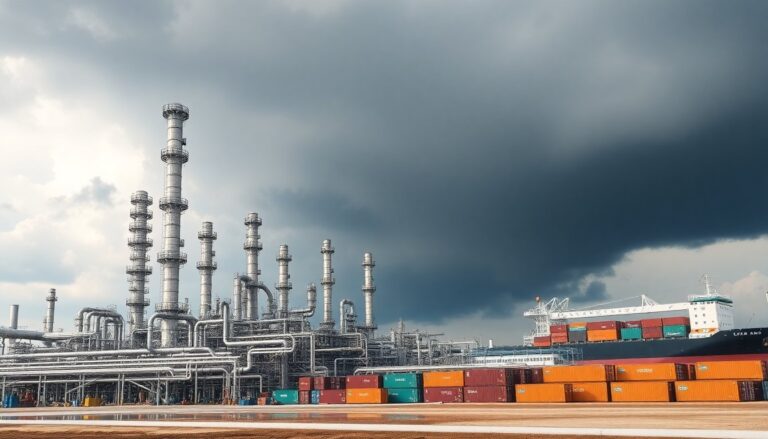
The petrochemical landscape in Latin America is preparing for significant challenges in the coming year. An oversupply of materials combined with declining demand is forcing producers to navigate a difficult operating environment. Shifting market dynamics, along with increased imports, are prompting local companies to reassess their strategies and adapt to a rapidly changing economic climate.
This article examines the complexities facing the petrochemical sector in Latin America, focusing on key players such as Brazil and Mexico. Ongoing struggles for profitability amidst rising competition and regulatory pressures necessitate decisive actions to ensure the future of these industries.
Brazil: A central player under pressure
Brazil, with a population of approximately 215 million, is a significant player in the Latin American petrochemical market. The outlook suggests a modest recovery in demand, largely influenced by potential monetary easing and fiscal stimulus typically associated with election years.
However, even a return to previous levels may not relieve the pressure on producers, who will still contend with narrow margins and intense competition from imports.
Government initiatives and their implications
In response to these challenges, government support has become increasingly vital. President Luiz Inacio Lula da Silva recently enacted Presiq, a new incentive program aimed at revitalizing the chemicals sector. This initiative replaces the former program, Reiq, and demonstrates the administration’s commitment to protecting domestic producers from more competitive foreign imports.
Supporters argue that Presiq aligns Brazil with international green-industrial policies, such as the EU’s Green Deal and the US’s Inflation Reduction Act. Critics, however, contend that it serves as a temporary solution for an industry struggling to compete effectively on a global scale. As Brazil approaches its October elections, the political landscape may significantly impact current protectionist measures, requiring careful navigation by companies aiming to maintain their competitiveness.
Mexico: Resilience amid tariffs and economic fluctuations
The situation in Mexico is equally challenging, with an economy that narrowly avoided recession. Despite this, the chemicals sector is expected to continue facing difficulties, particularly in manufacturing. Demand for petrochemicals is likely to remain unstable, hindered by sluggish internal consumption and unpredictable trade relations with the US, which absorbs a substantial portion of Mexican exports.
Challenges posed by import tariffs
Recently approved import tariffs of up to 50% on products from China and other Asian countries have added another layer of uncertainty for Mexican producers. While these tariffs could elevate costs and inflation, they may not restore pricing power to the extent desired. Consequently, buyers are likely to remain cautious in their purchasing decisions, favoring flexibility over long-term commitments.
As the market for polyethylene (PE), polypropylene (PP), and polyvinyl chloride (PVC) continues to grapple with excess supply and limited demand, producers across the region must adapt. Brazil will remain a focal point for imports, as international suppliers seek to penetrate local markets, further complicating the situation for domestic manufacturers.
Future outlook: The path ahead
As Latin America’s petrochemical sector moves forward, the path ahead appears challenging. Companies will need to prioritize cost-cutting measures and efficient asset management to endure prevailing conditions. The emphasis on sustainability will persist; however, the lack of substantial support for recycling initiatives may hinder progress in this area.
In Brazil, the rise in recycled-content mandates is expected to yield minimal growth, while in Mexico, the absence of a federal mandate leaves recycled polymers vulnerable to market fluctuations. Consequently, many manufacturers may revert to less expensive virgin resins, prioritizing survival over environmental goals.
This article examines the complexities facing the petrochemical sector in Latin America, focusing on key players such as Brazil and Mexico. Ongoing struggles for profitability amidst rising competition and regulatory pressures necessitate decisive actions to ensure the future of these industries.0
