

Discover how a slurry spill has prompted an investigation into the pollution of a Welsh river and the actions taken to remedy the situation.
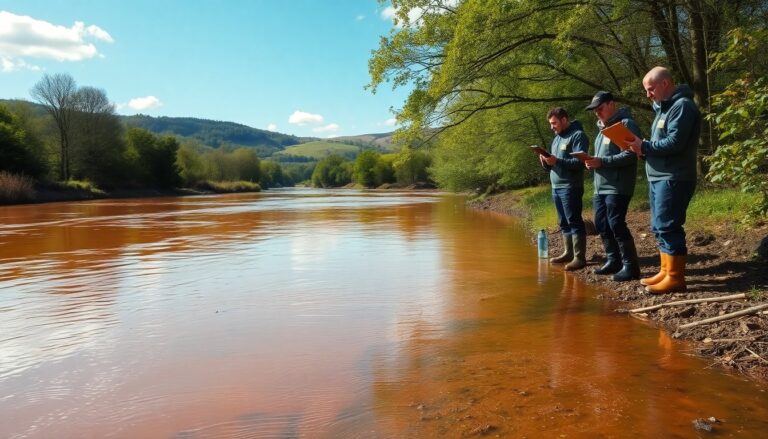
Recent events have unfolded in Wales, where the Taff Bargoed river and its tributaries near Nelson, Caerphilly, have suffered from pollution caused by a slurry spill. This incident has raised alarms and prompted an immediate response from local authorities and environmental agencies.
The situation came to light when officials from Natural Resources Wales (NRW) observed a noticeable discoloration of the water, indicating potential contamination. Upon further investigation, they confirmed that the source of the pollution was indeed a slurry spill, a serious issue that can have detrimental effects on aquatic life and local ecosystems.
Immediate Actions Taken by Natural Resources Wales
Once the slurry spill was identified, Natural Resources Wales acted swiftly to contain the issue. They not only pinpointed the origin of the pollution but also implemented measures to halt further contamination. This proactive approach is crucial in protecting the water quality and the surrounding environment.
Monitoring and Future Expectations
Although the water has been affected, NRW officials have indicated that it may take some time for the discoloration to clear. Their spokesperson reassured the public, stating, “While the water may appear discolored for a while, we anticipate it will return to its natural state over time.” Such assurances are vital for maintaining public trust in the efforts of environmental agencies to address pollution concerns.
The timely reporting of this incident by local residents played a significant role in the rapid response from NRW. Their incident line received multiple calls, demonstrating the community’s vigilance and commitment to environmental stewardship.
Community Engagement and Environmental Protection
This incident highlights the importance of community involvement in environmental protection efforts. By being proactive and reporting signs of pollution, residents can help safeguard their local waterways. NRW emphasized the value of public reports in expediting their response and addressing environmental threats effectively.
The contamination of the Taff Bargoed river serves as a reminder of the vulnerabilities faced by local ecosystems due to human activities, such as agricultural runoff and improper waste disposal. It underscores the need for continuous collaboration between environmental agencies and local communities to monitor and protect natural resources.
Contributions of Welsh Water to River Conservation
In a related effort to enhance river health, Welsh Water has allocated £20 million towards upgrading its wastewater treatment facilities in Cardigan. This investment aims to improve the treatment processes at Cardigan Wastewater Treatment Works (WwTW), ensuring better handling of seawater influx from the Afon Teifi and reducing spill occurrences.
Scheduled for completion by spring, this project includes significant advancements such as the installation of new primary settlement tanks and the implementation of a dissolved air flotation treatment process. These upgrades are essential for enhancing the treatment efficiency of wastewater, thereby minimizing environmental impact.
Moreover, Welsh Water is launching a community fund of £20,000 to support local initiatives that contribute positively to the environment. This fund will allow organizations within the area served by Cardigan WwTW to apply for grants to develop sustainability projects, further promoting community engagement in environmental conservation.
Weather Conditions and Public Safety
In addition to environmental concerns, recent weather conditions across Wales have also raised safety alerts. The Met Office issued warnings for snow and ice over the weekend, advising residents to exercise caution during travel. With the potential for hazardous conditions, especially for vulnerable populations such as the elderly and those with health issues, local councils are preparing measures to assist rough sleepers during the cold spell.
As communities navigate both environmental challenges and severe weather, it becomes increasingly important to foster resilience and collaboration. The concerted efforts of residents, local authorities, and environmental organizations can significantly enhance the health of natural ecosystems and ensure public safety.
