

Scottish Independence Movement: The Pivotal Role of Upcoming Elections The forthcoming elections represent a significant opportunity for advancing Scotland's independence movement, a sentiment strongly articulated by John Swinney. These elections are not just a political event; they are a critical juncture for Scotland's future. Engaging voters and fostering discussions around independence could shape the trajectory of Scotland's governance and autonomy.
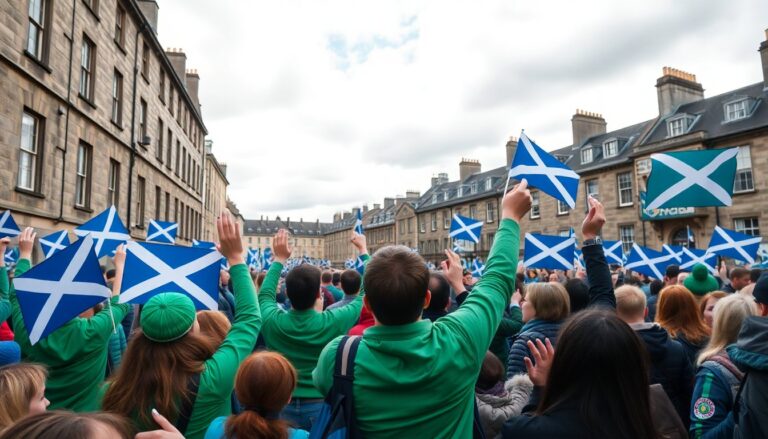
The political landscape in Scotland is undergoing a significant transformation as elections draw near. John Swinney, the First Minister, emphasizes the importance of the Scottish National Party (SNP) in furthering Scotland’s pursuit of independence. He urges voters to support the SNP in both constituency and regional ballots, drawing on a successful strategy from 2011 that the party believes can be replicated.
As the election date approaches, the SNP faces challenges due to the proportional representation system at Holyrood. Recent analyses indicate that while the SNP may perform well in constituency seats, their chances on the regional list could be limited. This situation raises concerns among some independence advocates who worry that voting for the SNP in both categories might be perceived as ineffective.
The facts
In response to these electoral dynamics, Swinney urges supporters to refrain from voting for other parties on the regional list. He asserts that a strong showing for the SNP is critical for advancing the independence agenda. “If people want Scotland to become an independent nation, they must not hesitate in this election,” Swinney stated.
His insistence on the need for a solid SNP majority underscores the party’s reliance on past successes to strengthen their current campaign.
The consequences
Swinney noted that the SNP’s previous majority in 2011 serves as a precedent for their independence efforts, and he aims to leverage that success once more. “A majority will provide us with the platform to advocate for independence,” he remarked. He stressed that the future direction of Scotland depends on voter support for the SNP.
However, failing to secure a majority could have serious consequences for both the independence movement and the SNP’s governance capabilities. Without a clear majority, the party may need to negotiate with other groups to pass essential legislation, including the annual budget, complicating their ability to implement policies effectively.
Challenges ahead for the SNP
Recent projections suggest that the SNP could win around 63 seats based on polling data. Although this represents an improvement from their previous standing, it falls short of the 65 seats needed for a majority. Swinney acknowledged that to reach this target, the party must address pressing issues that resonate with the electorate.
Addressing public concerns
“People in Scotland are frustrated with the lack of progress regarding their quality of life, particularly due to the repercussions of Brexit and austerity measures imposed by Westminster,” he stated. Swinney believes that achieving independence would better equip Scotland to tackle these challenges. The SNP’s campaign message focuses on meeting the needs of the populace and presenting a hopeful vision for the future.
As voters prepare for the polls, the sentiment surrounding independence is strong. Swinney’s assertion that the SNP’s success correlates with progress resonates with many seeking change. The upcoming elections are not just about securing seats; they represent a pivotal moment for Scotland’s autonomy.
As Scotland approaches its crucial elections, the stakes are high for the SNP and the independence movement. Under John Swinney’s leadership, the party rallies its supporters around a common goal: securing a strong mandate that could facilitate a renewed push for independence. This moment may shape Scotland’s future for generations.
