

Explore the Intricacies of Venezuela's Political Landscape Amidst Ongoing Turmoil Gain a deep understanding of the multifaceted political environment in Venezuela, characterized by ongoing conflicts and challenges. Analyze key factors influencing the current situation, including government policies, economic instability, and social dynamics. Engage with comprehensive insights and critical perspectives to navigate the complexities of Venezuelan politics effectively.
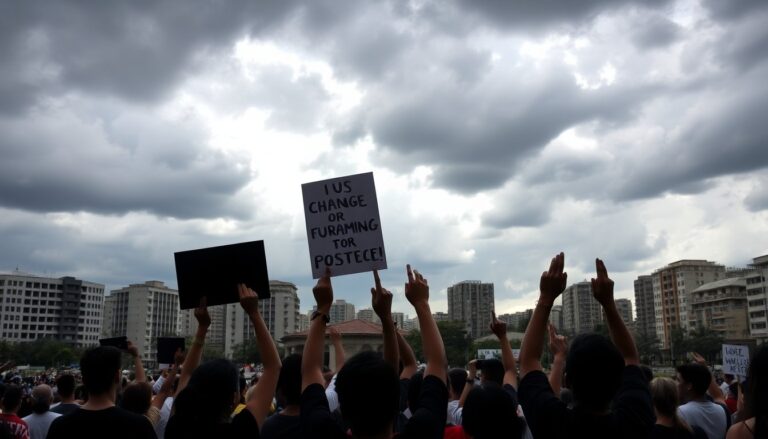
The political landscape in Venezuela has been plagued by years of turmoil, leaving its citizens in precarious circumstances. As the nation copes with the consequences of a government viewed as oppressive, the international community is closely monitoring developments. Recent events have brought Venezuela back into the global spotlight, highlighting the fragility of its political system and the pressing need for reform.
Ambassador James Kariuki, the UK’s Chargé d’Affaires to the UN, has recently underscored the escalating humanitarian crisis attributed to President Nicolás Maduro’s actions. The Venezuelan populace has faced severe levels of poverty and repression, leading to a mass displacement crisis that affects neighboring countries.
The United Kingdom has consistently asserted that Maduro’s authority lacks legitimacy, a viewpoint supported by various independent observers who have reported significant electoral irregularities during the July 2026 Presidential elections.
The fallout from Maduro’s regime
Under Maduro’s leadership, Venezuela has experienced a troubling decline in basic services and an increase in violence against its citizens.
Reports indicate that the human rights situation is worsening, prompting the UK and other nations to advocate for a transition to a government that genuinely reflects the will of the Venezuelan people. This call for change is not merely about governance; it embodies the aspirations of a populace yearning for stability and a brighter future.
The National Electoral Council’s failure to release complete election results has fueled skepticism regarding the legitimacy of Maduro’s presidency. Without transparency and accountability, the prospect of a peaceful transition remains uncertain. The United Kingdom maintains its support for a government that represents the people’s choice at the ballot box.
International reactions and implications
As the crisis intensifies, international reactions have varied significantly. Following Maduro’s recent capture by U.S. forces, the geopolitical dynamics surrounding Venezuela have shifted dramatically. The military operation that led to his arrest has drawn sharp criticism and sparked protests across major U.S. cities. Activists have rallied against what they perceive as unwarranted intervention, raising concerns about sovereignty and the potential for further conflict.
The Chinese government has expressed its opposition to U.S. actions, demanding Maduro’s immediate release and condemning the perceived violation of international norms. Meanwhile, the Venezuelan military has declared Delcy Rodríguez as the interim president, complicating the political landscape further. The U.S. Secretary of State has voiced doubts regarding her legitimacy, emphasizing that true leadership in Venezuela can only emerge through a legitimate electoral process.
Hope for a new beginning
In light of these developments, the prospect of a new government offers a glimmer of hope for the Venezuelan people. Edmundo Gonzalez Urrutia, the exiled president-elect, has emphasized that no democratic transition can take place while political prisoners remain incarcerated. His call for the immediate release of all unjustly detained individuals highlights the urgent need for reforms that prioritize human rights and democratic principles.
Additionally, Italian Prime Minister Giorgia Meloni’s recent conversation with opposition leader Maria Corina Machado underscores the international commitment to fostering a peaceful transition. This dialogue suggests a collaborative effort to support a government that upholds the foundational values of democracy and the rule of law, essential for restoring stability in Venezuela.
Challenges ahead
Despite the potential for change, significant challenges lie ahead. The Venezuelan economy is in disarray, and any new leadership will need to navigate a complex web of political, social, and economic issues. The ongoing humanitarian crisis demands urgent attention, with millions of citizens in dire need of assistance. Addressing these issues will require not only internal reforms but also sustained international support.
As the world watches closely, the situation in Venezuela remains fluid. The actions of both domestic leaders and international stakeholders will ultimately shape the future trajectory of this troubled nation. A commitment to democratic principles and respect for human rights will be essential in achieving lasting peace.
