

Nestlé Issues Urgent Recall of Baby Formulas Due to Potential Toxin Contamination Nestlé has initiated a comprehensive recall of its baby formula products following the detection of possible toxin contamination. The company is strongly advising parents to take prompt action regarding this matter.
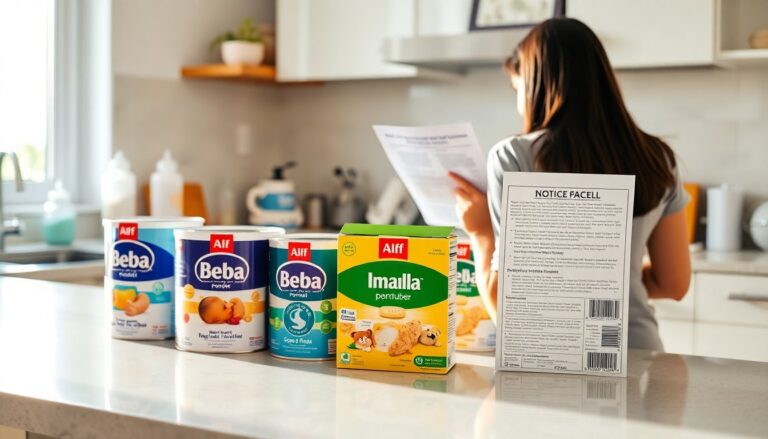
In a significant move, Nestlé has initiated a global recall of select batches of its popular baby formulas. This decision stems from serious concerns regarding the presence of a potentially harmful toxin, which could lead to symptoms such as nausea, vomiting, and abdominal discomfort.
Parents are urged to assess their baby formula supplies and refrain from using any affected products.
The products implicated in this recall include well-known brands like Beba and specialized options such as Alfamino. The company has taken proactive measures by notifying consumers and requesting the return of these products to stores across several European countries, including Germany, Italy, and Spain.
While no illnesses have been reported thus far, the precautionary recall underscores the importance of consumer safety.
Details of the recall
The origins of this recall trace back to findings by Austrian health authorities, who detected trace amounts of cereulide, a toxin associated with food poisoning, in two specific batches of baby formula.
Despite the low concentrations found, the potential risks associated with cereulide consumption prompted Nestlé to act swiftly. Health officials have stated that the levels detected are not immediately dangerous but have advised caution nonetheless.
Scope of the affected products
This recall encompasses over 800 products manufactured in more than ten different facilities worldwide. The contamination is believed to stem from a cleaning oversight at a supplier’s site, which occurred in December of the previous year. Nestlé had already commenced a quiet withdrawal of affected items from shelves during the holiday season, but the public recall was announced recently to ensure consumer awareness.
In light of this incident, financial analysts have characterized the event as an unfortunate but manageable operational issue for Nestlé. Though shares dropped over 2% following the announcement, the company’s long-term performance remains stable, reflecting a 3% increase over the past year despite a 24% decline over the last five years.
What parents should do
For parents who have purchased any of the affected baby formula products, it is crucial to act promptly. Nestlé has advised consumers to discontinue use of the implicated products and return them to the point of purchase for a refund. The affected batches can be identified by their specific batch codes, which are printed on the bottom of the tins or boxes. Parents are also encouraged to consult healthcare professionals if they have any concerns regarding their child’s health after potential exposure.
Health implications of cereulide
Cereulide is a toxin produced by certain strains of Bacillus cereus, a bacteria commonly found in the environment. It is known for its heat-stable properties, meaning that traditional cooking methods, such as boiling, will not eliminate the toxin. Symptoms of cereulide poisoning can manifest rapidly, often leading to severe nausea and vomiting. Parents should remain vigilant and seek medical advice if symptoms appear in their infants.
In addition to Nestlé’s recall, consumers should also be aware of other food safety alerts, such as a recent warning from Waitrose regarding potential glass contamination in certain products. Such incidents highlight the necessity for continuous vigilance in food safety and quality assurance.
This recall may raise concerns among parents; however, it reflects Nestlé’s commitment to prioritizing the safety and health of infants. The company has reiterated its dedication to rigorous quality control protocols and consumer safety, emphasizing that all other Nestlé products remain safe for consumption.
