

Title: Transforming Healthcare Delivery in Ghana: The Impact of Drones on Snakebite Treatment Introduction: Discover how drone technology is revolutionizing healthcare delivery in Ghana, particularly for snakebite victims. This innovative approach is enhancing medical response times and improving patient outcomes in remote areas. Key Highlights: Rapid Response: Drones enable swift transportation of antivenom and medical supplies to underserved regions, reducing the time to treatment for...
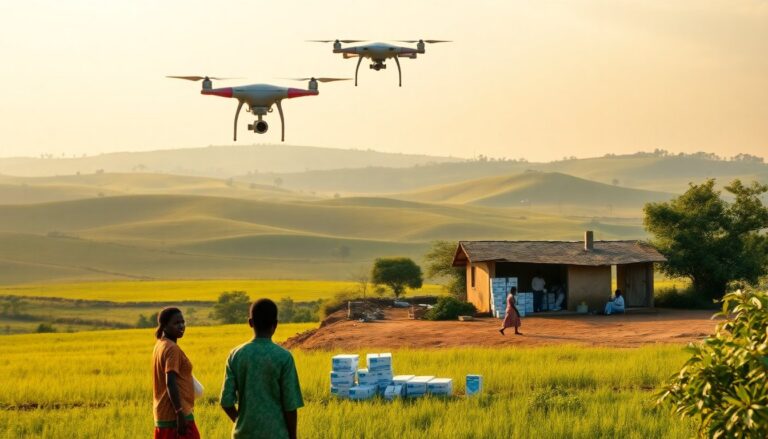
In remote regions of Ghana, the battle against snakebites has taken a modern turn with the innovative use of drones. This aerial technology is proving to be a game-changer for medical logistics while underscoring the challenges of mobile connectivity in rural communities.
With snakebites remaining a significant health concern, the integration of drone systems into healthcare delivery is increasingly crucial.
The logistics company spearheading this transformation has successfully completed over 8 million deliveries from six distribution centers. This achievement highlights the potential of drones to swiftly transport essential medical supplies, including antivenoms.
However, the effectiveness of these life-saving missions depends not only on the drones themselves but also on reliable mobile network coverage.
The importance of drone logistics
Utilizing drone technology for healthcare logistics streamlines the delivery of critical supplies to areas that are often difficult to reach.
In Ghana, where geographical barriers can hinder timely access to medical care, drones provide an efficient solution. They can navigate challenging terrains and deliver antivenom directly to patients in need, often within hours.
Addressing the connectivity issue
Despite advancements in drone delivery systems, many regions still grapple with mobile connectivity challenges. In certain areas, the absence of a stable mobile signal can obstruct the communication and coordination necessary for effective drone operations. This connectivity gap poses a significant hurdle for healthcare workers striving to reach snakebite victims promptly.
Enhancing mobile network infrastructure in these remote areas is essential for realizing the full potential of drone logistics. By improving connectivity, healthcare providers can ensure that drones are dispatched when and where they are needed most, ultimately saving lives.
Impact on healthcare accessibility
The introduction of drones into Ghana’s healthcare framework not only improves access but also raises awareness about the dangers of snakebites. Victims often face serious health complications if they do not receive timely treatment. The quick response enabled by drone deliveries can make a life-or-death difference.
Furthermore, this drone initiative serves as a model for other countries grappling with similar challenges in snakebite management. By demonstrating the effectiveness of technology in overcoming logistical barriers, Ghana is paving the way for broader implementation of drone systems in healthcare.
Expanding drone capabilities
As the program continues to evolve, there are opportunities to expand the capabilities of drones beyond snakebite treatments. These unmanned aerial vehicles could also transport vaccines, blood supplies, and other vital medical resources, further enhancing healthcare delivery in regions that are often underserved.
Moreover, collaborations between local governments, healthcare organizations, and technology companies can foster the development of more robust drone logistics systems. Such partnerships could amplify the reach and impact of drone technology, ensuring that no community is left behind in accessing essential medical care.
The integration of drones into Ghana’s healthcare system represents a significant advancement in addressing the urgent needs of snakebite victims. While challenges such as mobile connectivity remain, the potential for drones to revolutionize medical delivery in remote areas is undeniable. With continued investment and innovation, this approach could serve as a blueprint for improving healthcare access in other parts of the world.
