

Venezuela's political crisis escalates as global leaders condemn US military actions.
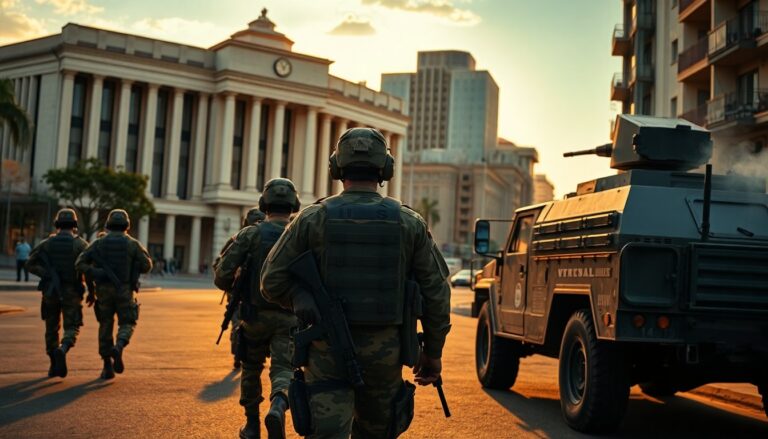
Recent developments in the political landscape of Venezuela have drawn international attention, particularly following the controversial abduction of President Nicolás Maduro by US forces. This incident has led to a significant outcry from various global leaders, including the UN Secretary-General who has voiced grave concerns regarding the implications of such military actions.
As tensions between the US and Venezuela intensify, the UN Security Council convened an emergency session to address the unfolding crisis. President Maduro’s recent court appearance in New York, where he pleaded not guilty to drug charges, has further complicated the situation.
The backdrop of military intervention
The situation escalated after President Donald Trump announced on social media that the US would take decisive action to address what it described as narcoterrorism in Venezuela. The US Attorney General confirmed that Maduro and his wife would face charges based on a indictment, marking a new chapter in the strained relations between the two nations.
In response to these developments, the Venezuelan government declared a state of national emergency. Reports indicate that the US operation began with military strikes around the capital, Caracas, leading to widespread condemnation from the Venezuelan authorities, who labeled the intervention as an act of military aggression.
International reactions to US actions
UN Secretary-General António Guterres expressed his alarm over the situation, emphasizing the potential risks posed not only to Venezuela but to regional stability. He underscored that the recent military actions by the US could set a dangerous precedent in international relations. Guterres called for all parties to engage in inclusive dialogue that respects human rights and adheres to international law.
The UN’s human rights chief echoed these sentiments, urging restraint and caution, with a focus on protecting the Venezuelan population amidst the escalating conflict. This call to action highlights the necessity of maintaining a commitment to international legal frameworks, particularly in times of crisis.
Calls for accountability and adherence to human rights
In light of the US intervention, the UN Independent International Fact-Finding Mission on Venezuela raised serious concerns regarding the country’s ongoing human rights violations. The mission emphasized that accountability for historical abuses must not be overshadowed by the current military crisis.
Chairwoman Marta Valiñas stated that while the alleged crimes by Maduro’s regime are serious, they do not justify military intervention that contravenes international law. The investigation team highlighted that responsibility extends beyond Maduro to include other officials who have played a role in perpetrating human rights abuses.
Potential risks and future implications
The declaration of a national emergency in Venezuela raises concerns about the potential for further violations of human rights as the situation remains volatile. The international community is closely monitoring developments, with calls for adherence to legal standards and a commitment to prioritize human welfare.
Global leaders, including the President of the UN General Assembly, have reiterated the importance of following the principles outlined in the UN Charter, which mandates that member states refrain from using force against each other. The ongoing crisis serves as a stark reminder of the complexities involved in international relations and the delicate balance between sovereignty and intervention.
As the situation unfolds, the need for dialogue and a peaceful resolution remains critical. The UN’s role in facilitating discussions and ensuring that human rights are at the forefront of any actions taken will be vital in navigating this intricate political landscape.
