

Severe Weather Alerts Issued in Rome Due to Heavy Rainfall Rome is currently experiencing heavy rainfall, resulting in significant weather warnings across the region. The intense downpour has led to flooding in various areas, prompting road closures and safety advisories for residents and travelers. Authorities urge individuals to exercise caution and avoid flooded areas to ensure safety during these adverse weather conditions. Stay informed for updates on road status and emergency measures.
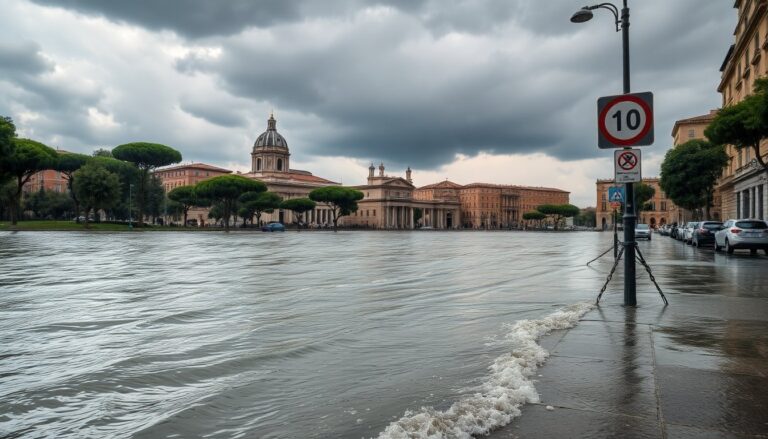
In early January 2026, a deluge of rain inundated Rome, leading to significant flooding and severe weather alerts across the region. The persistent rainfall prompted the regional civil protection agency to issue a red alert for areas near the Aniene River.
This situation escalated rapidly, with authorities urging residents to remain indoors and avoid unnecessary travel during this critical period.
This article examines the impacts of the recent weather events on the city of Rome, the precautionary measures implemented by local officials, and the ongoing efforts to manage the flooding scenarios.
Impacts of the heavy rainfall
As the rain continued unabated, several tributaries of the Aniene River overflowed their banks, causing widespread disruption. Particularly vulnerable areas, such as Ponte Mammolo, experienced significant flooding, and reports indicated over 150 interventions by firefighters addressing various emergencies, including flooded roads and fallen trees.
These incidents disrupted transportation and posed risks to public safety.
Emergency response measures
In response to the flooding crisis, the regional civil protection agency coordinated efforts with local firefighters and volunteers. The director of civil protection emphasized the importance of constant communication with operational teams to mitigate the impact of the floods. Residents in the affected zones were strongly urged to refrain from venturing out, especially in areas marked by high water levels.
Efforts were made to divert traffic away from flooded areas, including the closure of major roads such as the Tiburtina, which experienced severe inundation. Municipal authorities implemented detours, and local police were stationed to ensure the safety of residents. The situation was closely monitored, with updates provided to the public regarding the evolving weather conditions.
Continued monitoring and future outlook
The effects of the heavy rains were felt across multiple districts, particularly in the IV and VI municipalities, where water levels reached alarming heights. As officials continued to monitor the Aniene River and its tributaries, there was cautious optimism that the worst of the weather had passed. However, the potential for further rainfall remained a concern, necessitating ongoing vigilance.
Long-term implications
In the aftermath of the flooding, discussions around infrastructure improvements and flood prevention measures gained urgency. Urban planners and officials recognized the need for enhanced drainage systems to manage future heavy rainfalls more effectively. The recent events served as a stark reminder of the challenges posed by extreme weather and the necessity of investing in resilient infrastructure.
As the city began to recover, community leaders emphasized the importance of preparedness and education in the face of such natural disasters. Engaging the public in understanding flood risks and response strategies will be vital in ensuring the safety and resilience of Rome’s neighborhoods.
The heavy rainfall in January 2026 brought unprecedented challenges to Rome, leading to flooding and significant disruptions. The proactive measures taken by local authorities, coupled with community cooperation, played a crucial role in managing the crisis. Looking ahead, it is essential to prioritize infrastructure improvements and public awareness to better prepare for future weather events.
