

Enhance Your Older Dog's Life: Effective Training Strategies Discover simple yet impactful methods to train your senior dog and enhance their quality of life.
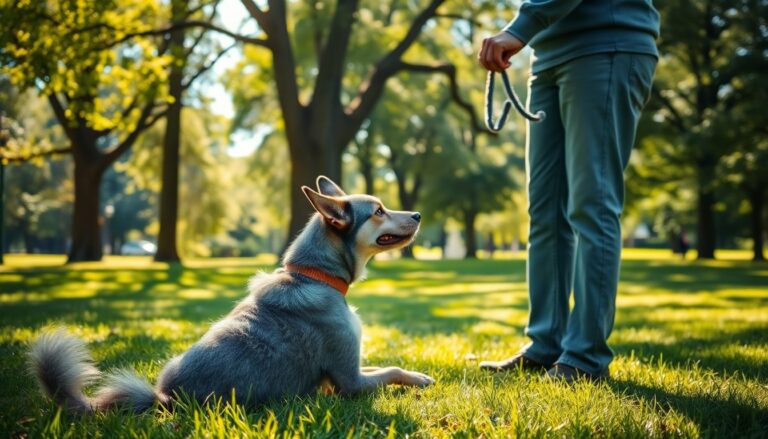
The notion that “you can’t teach an old dog new tricks” has discouraged many owners from training their aging pets. This belief is both outdated and inaccurate. Rosie Bescoby, a clinical animal behaviourist with over 20 years of experience, asserts that older dogs can learn and adapt.
Engaging senior dogs in new challenges not only enhances their mental well-being but also strengthens the bond between owner and pet.
Rosie emphasizes that while physical capabilities may decline with age, this does not preclude the ability to learn or enjoy new activities.
Rather than viewing age as a hindrance, owners are encouraged to see it as an opportunity for mental stimulation and enrichment. This article discusses five practical techniques for teaching older dogs new tricks.
Understanding your dog’s motivation
The first step in effectively training a senior dog is identifying their motivations.
Rewards are crucial in the training process. Some dogs may respond better to portions of their regular food, while others might prefer special treats, such as pieces of steak. However, care must be taken to avoid rewards that overly excite them, which can lead to a loss of focus.
Evaluate your dog’s preferences—be it food, toys, or affection—before starting the training. This assessment will help tailor your approach, ensuring a more effective learning experience.
Choosing the right tricks
When selecting tricks to teach your senior dog, consider both their physical abilities and their preferred learning styles. For example, the classic trick of spin can be adapted to accommodate an older dog’s pace. Begin by gently guiding them in a circular motion with a treat, gradually introducing the verbal cue “spin” as they grow more comfortable.
Another beneficial trick is the nose-to-hand touch, particularly useful for dogs with hearing loss. This trick serves as a visual recall signal, enabling your dog to respond even if they cannot hear your commands. By using a hand signal to prompt them to touch your palm with their nose, you create an engaging task that sharpens their focus.
Implementing effective training techniques
Once you have identified the tricks you wish to teach, it is time to establish a training regimen. Consistency is paramount, and practice should occur in brief, positive sessions. Start by placing a treat in your hand and lowering it to your dog’s level while encouraging them to come to you. Repeat this several times before gradually removing the treat, reinforcing the behavior with praise.
Another effective technique involves guiding your dog to walk behind you and then through your legs. Use a lure, such as a favorite toy, to encourage them around your body and through your legs. This trick not only provides mental stimulation but also enhances coordination, especially for dogs that may struggle with traditional commands.
Creating a positive environment
To facilitate successful training, it is essential to foster a positive atmosphere around your dog’s activities. For example, frame their bed as a welcoming space. Place treats in their bed while consistently using the verbal cue “bed.” As they begin to hop into bed for a reward, gradually increase the distance they must travel to reach it, turning it into an enjoyable game.
Incorporating these techniques into your routine can deepen the connection between you and your older dog. Engaging them in new activities not only improves their skills but also fosters a sense of joy and achievement, enhancing their quality of life.
Celebrating the older dog
Rosie emphasizes that while physical capabilities may decline with age, this does not preclude the ability to learn or enjoy new activities. Rather than viewing age as a hindrance, owners are encouraged to see it as an opportunity for mental stimulation and enrichment. This article discusses five practical techniques for teaching older dogs new tricks.0
Rosie emphasizes that while physical capabilities may decline with age, this does not preclude the ability to learn or enjoy new activities. Rather than viewing age as a hindrance, owners are encouraged to see it as an opportunity for mental stimulation and enrichment. This article discusses five practical techniques for teaching older dogs new tricks.1
