In-Depth Analysis of the Ongoing Conflicts in Syria: Understanding the Fragile Balance of Power and the Risks of Renewed Civil Unrest This comprehensive exploration delves into the intricate dynamics of the current conflicts in Syria. It highlights the delicate equilibrium of power among various factions and underscores the looming threat of a resurgence of civil unrest.
Topics covered
The ongoing situation in Syria has taken a troubling turn as renewed fighting erupts between the Kurdish-led Syrian Democratic Forces (SDF) and Syrian government troops. This development has reignited discussions surrounding issues of autonomy and national unity, further complicating an already fragile security situation.
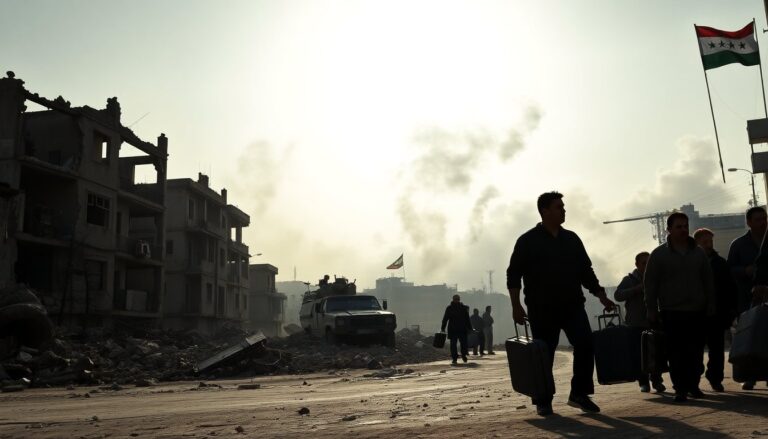
Recent clashes, particularly in Kurdish-majority districts of Aleppo, have led to significant civilian evacuations and raised alarms about the potential for another civil war. The escalation in violence follows over a decade of conflict that has already devastated the region.
Current conflicts and their implications
In Aleppo, fierce battles have broken out, resulting in at least 16 fatalities, including several civilians, and over 55 injuries. Reports indicate that more than 140,000 people have been forced to leave their homes in response to the intensifying violence.
The sounds of artillery and gunfire have become a grim backdrop to the mass evacuations.
Humanitarian crisis unfolds
In reaction to the emergency, authorities have established temporary shelters, with twelve locations set up across Aleppo and surrounding areas. However, ongoing violence means that the number of displaced individuals continues to soar, adding to the millions already scattered throughout the country. The situation is compounded by the presence of military checkpoints and drones monitoring the area, creating an atmosphere of uncertainty and fear.
Political ramifications and historical context
The recent surge in violence occurs amidst stalled negotiations between the Kurdish forces and the Syrian government. Just over a year ago, Aleppo was liberated, marking a pivotal moment in Syria’s tumultuous history. The current confrontations underscore the shifting alliances and objectives of various factions that were once united in their quest to overthrow the Assad regime.
Military leader of the SDF, Mazloum Abdi, has voiced strong condemnation of the recent escalation, arguing that such actions jeopardize the prospects for peaceful negotiations with the government. He emphasized that the continued reliance on military force to impose unilateral solutions is unacceptable and has led to severe human rights violations.
International involvement and regional dynamics
As the violence escalates, regional powers like Turkey have also become involved, accusing the SDF of acting in coordination with other nations, including Israel. This has led to further military mobilizations in the region, creating a complex and dangerous environment. The Syrian government has also sought to bolster its military presence, recruiting armed groups, some with ties to extremist factions from the Idlib province.
In addition to military challenges, upcoming visits from European leaders, including Ursula von der Leyen, signal a potential shift in international strategy toward Syria. With discussions focused on the repatriation of Syrian refugees, the European Union aims to address the long-term implications of the ongoing crisis.
A volatile future
The current landscape in Syria is marked by deep-rooted ethnic, sectarian, and political divisions that are now coming to the forefront once again. The recent clashes serve as a stark reminder that the fragile peace achieved in previous years could unravel at any moment. The international community faces a pressing need to engage in constructive dialogue to prevent further deterioration of the situation.
As the world watches, the potential for renewed civil conflict looms large. Only through genuine multilateral efforts and respect for international law can stability be restored in Syria. The path forward requires addressing the grievances of all parties involved, fostering an environment conducive to peace and reconciliation.