

Irish Farmers Mobilize Against EU-Mercosur Trade Deal, Highlighting Critical Livelihood Concerns Thousands of Irish farmers have taken to the streets in protest against the EU-Mercosur trade agreement, voicing significant concerns regarding its impact on their livelihoods.
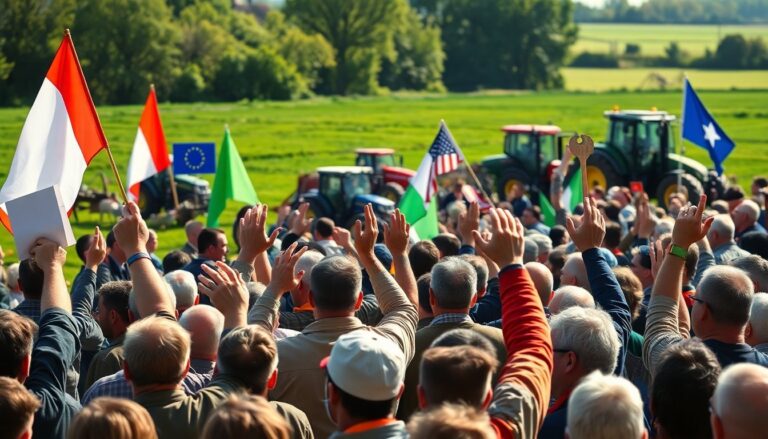
Irish farmers protest against EU-Mercosur trade agreement
Thousands of Irish farmers gathered in Athlone to voice their opposition to the EU-Mercosur trade agreement. This deal, under negotiation for over 25 years, seeks to create a free-trade zone between the European Union and the South American bloc of Mercosur, which includes Brazil, Argentina, Paraguay, and Uruguay.
Farmers are concerned that this agreement could threaten their livelihoods and undermine the Irish beef industry.
Understanding the EU-Mercosur trade agreement
The EU-Mercosur trade agreement has gained provisional backing from a majority of EU member states. This pact aims to reduce tariffs on a wide range of products exchanged between Europe and South America.
It will enable Mercosur nations to export agricultural products and minerals to Europe while allowing European machinery, chemicals, and pharmaceuticals to enter South America at lower costs.
While the agreement has sparked enthusiasm in the business sector, it has raised concerns among European farmers.
Their primary worry centers on the potential surge of low-cost imports, especially beef from Brazil, which could drive down local prices and disrupt market stability.
Impact on Irish beef farming
Irish farmers are expressing significant concern over the recently approved trade deal, which could potentially flood the EU market with an additional 99,000 tonnes of inexpensive beef. This situation poses a considerable threat to the beef and dairy sectors, crucial components of Ireland’s rural economy. Many farmers, who are already struggling to achieve a sustainable income, view this agreement as a risk to their livelihoods.
The Irish Farmers’ Association (IFA), a prominent advocate for agricultural interests in Ireland, has described the trade deal’s approval as “deeply disappointing.” The IFA has committed to intensifying efforts to block the agreement in the European Parliament, which must provide its final endorsement for the deal to take effect. Francie Gorman, president of the IFA, has called on Irish Members of the European Parliament (MEPs) to stand with the farming community by opposing the deal.
Voices from the protest
Farmers gathered in Athlone to voice their anger and concerns about the future of Irish agriculture. Joe Keogh, a local farmer, represented many when he stated that the trade agreement poses a serious threat to rural communities. “This is a disgrace to those who have contributed to Europe’s agricultural success. It threatens to close down the countryside,” he said.
Concerns about food quality were also prominent among the protesters. Farmers expressed doubts about whether imported beef would meet the strict environmental and safety standards applied to Irish produce. Prime Minister Micheal Martin supported these concerns, stressing the importance of ensuring that Irish farmers are not disadvantaged by lax regulations on imported goods.
Broader implications for European agriculture
The discontent expressed by Irish farmers highlights a growing unease among agricultural communities throughout Europe. Protests have also arisen in countries such as Poland, France, and Belgium, signaling a continent-wide concern regarding the potential effects of the EU-Mercosur deal.
While some adjustments and compensation measures have been suggested for affected EU farmers, nations like Ireland and France remain resolute in their opposition. As the agreement approaches a contentious vote in the European Parliament, many farmers emphasize that their concerns go beyond trade; they are fundamentally about the quality of food available to consumers.
The future of farming in Ireland at stake
Ongoing protests underscore a pivotal moment for Irish farmers who are opposing the EU-Mercosur trade deal. Their concerns center on the potential negative impacts this agreement could have on their livelihoods and the overall agricultural landscape. The Irish farming sector stands at a crossroads, with the European Parliament’s upcoming decision likely to influence the future of agriculture in Ireland for the foreseeable future. As discussions progress, the perspectives of those who work the land are crucial in promoting a sustainable and fair agricultural policy.
