

Discover how donating blood can be a vital lifeline for patients battling thalassemia. Your contribution can make a significant difference in their lives.
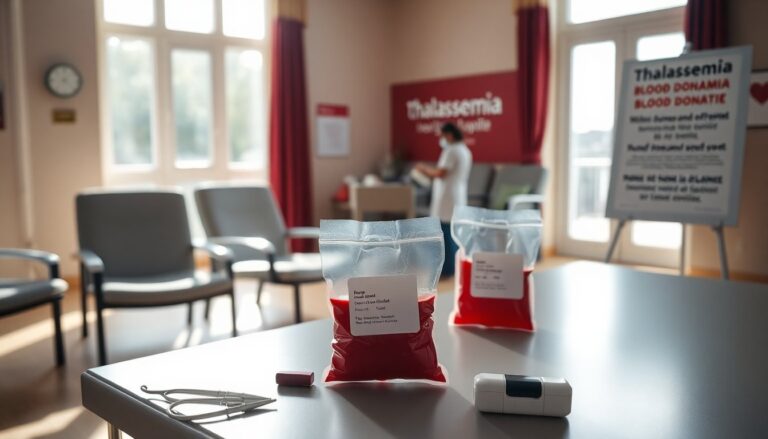
Thalassemia represents a pressing health challenge for many individuals around the globe, particularly in regions with a high genetic predisposition. This genetic blood disorder impairs the body’s ability to produce sufficient hemoglobin, essential for transporting oxygen throughout the bloodstream.
As a result, patients often rely on frequent blood transfusions to manage their condition effectively. This article explores the crucial role of blood donation and its direct impact on the lives of those living with thalassemia.
The necessity of blood for thalassemia patients
For those diagnosed with thalassemia, regular blood transfusions are not merely beneficial; they are critical for survival. Most patients require transfusions twice a month to sustain their health and well-being. Lacking these essential interventions can lead to significant health complications and diminished quality of life.
The blood supply chain
Blood banks are essential in ensuring patients receive the necessary blood products. These facilities collect, test, and store blood from volunteer donors. The demand for blood in thalassemia cases is significant, with some centers reporting an average of 50 transfusions per day. This ongoing need underscores the urgency for more individuals to step forward and donate blood.
How blood donation impacts treatment
Donating blood is more than just giving a fluid; it is about providing hope and life to patients in critical need. One unit of blood can save up to three lives, as it can be separated into its components: red cells, plasma, and platelets. Each of these components is vital for treating various medical conditions, including thalassemia.
The impact of community support
Organizations such as the Kashif Iqbal ThalassemiaCare Centre (KITCC) play a crucial role in advocating for blood donation. These centers not only deliver essential medical care but also raise awareness about thalassemia and the vital need for blood donations. They are dedicated to supporting over 800 registered patients and actively seek community involvement to ensure that each patient receives the necessary treatment.
How to get involved: steps to become a donor
Becoming a blood donor is a simple yet impactful way to help thalassemia patients. Here are the key steps to take:
- Check your eligibility:Blood donation centers have specific criteria for donors, including age, weight, and overall health. Make sure you meet these requirements before proceeding.
- Find a donation center:Look for a nearby blood bank or donation event where you can contribute your blood. Many communities host regular drives.
- Spread the word:Encourage your friends and family to join you in this vital effort. The more individuals who donate, the greater the impact on saving lives.
By following these steps, you can play a crucial role in a community initiative that saves lives.
Understanding the emotional and psychological aspects of blood donation
Donating blood transcends mere physicality; it embodies a profound emotional commitment. Many donors experience a deep sense of fulfillment and connection to their community, understanding that their contributions can drastically change lives. For patients battling thalassemia, receiving blood is not just a medical necessity; it serves as a poignant reminder that they are not alone in their struggle against this condition.
Support structures for thalassemia patients
In addition to blood donation, numerous organizations are dedicated to providing vital psychological support to patients and their families. Programs designed to enhance the emotional well-being of thalassemia patients are crucial, as they navigate ongoing medical challenges. Initiatives that emphasize mental health—such as counseling services and support groups—play an essential role in helping these patients manage their condition effectively.
Donating blood plays a critical role in combating thalassemia, a condition affecting many individuals worldwide. This act not only unites communities but also nurtures compassion and offers hope to those in urgent need. Understanding the significance of blood donation and engaging in this vital practice can profoundly influence the lives of individuals battling thalassemia. Your contribution can make a substantial difference, creating a ripple effect of support and solidarity that extends far beyond the act itself.
