

Iran's Leadership at a Pivotal Crossroads Amid Intensifying Protests As protests escalate across the nation, Iran's leadership finds itself at a critical juncture in its historical narrative. The ongoing unrest presents both challenges and opportunities for the ruling authorities as they navigate this transformative period.
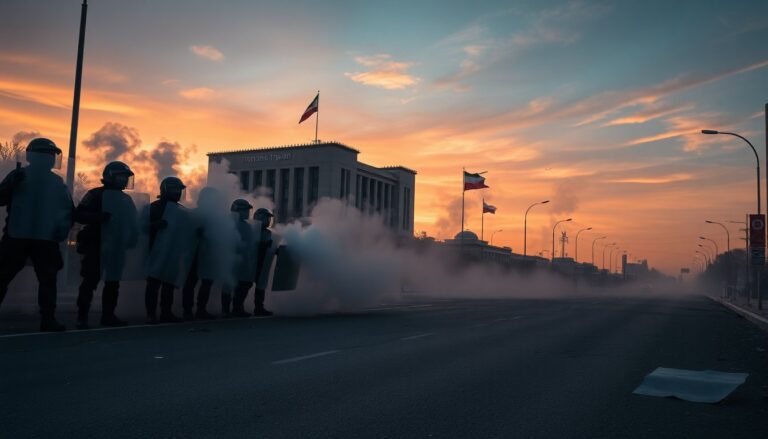
In recent months, the political landscape in Iran has become increasingly volatile, posing significant threats to the ruling regime. Following a devastating twelve-day conflict with Israel, the Iranian government has witnessed a notable decline in support from its traditional allies, exacerbating existing tensions.
Consequently, the regime has resorted to extreme measures to suppress widespread protests that have emerged across the nation.
The situation has escalated to a point where many analysts consider it one of the most critical challenges faced by Iran’s leadership in recent years.
The combination of external pressures and internal dissent is creating an environment ripe for potential upheaval.
The aftermath of conflict and a shift in alliances
The twelve-day war with Israel did not merely result in military losses for Iran; it significantly shifted the geopolitical balance, leading to a reduction in support previously extended by allies such as Russia and China.
This loss of crucial backing has left Iran more isolated than ever, forcing its leaders to adopt a more aggressive stance toward dissent within their borders.
In light of these developments, the Iranian government has taken drastic steps to maintain control. This includes deploying security forces to quell protests and imposing strict measures aimed at silencing dissenting voices. Such actions, however, have only fueled the anger of the Iranian populace, leading to further protests.
Brutal responses to rising dissent
As protests grow more widespread, the regime’s response has become increasingly brutal. Reports indicate that security forces have employed violence against demonstrators, resulting in numerous casualties. The government’s heavy-handed tactics illustrate its fear of losing power and the lengths it is willing to go to preserve its authority.
This cycle of violence and repression is likely to continue, as the regime finds itself trapped between a desperate need to maintain control and an ever-growing discontent among the populace. The situation is further complicated by the fact that many Iranians are becoming increasingly disillusioned with the ruling elite, leading to calls for significant political reform.
International implications of Iran’s unrest
The unrest in Iran does not exist in a vacuum; it has far-reaching implications for the region and beyond. As the Iranian government grapples with internal challenges, neighboring countries and global powers are closely monitoring the situation. A destabilized Iran could lead to increased tensions throughout the Middle East, potentially inviting intervention from external actors.
Moreover, the international community’s response to the Iranian regime’s violent crackdowns will be crucial. Sanctions and diplomatic pressures could intensify, further isolating Iran and complicating its ability to navigate its already precarious situation.
Potential outcomes of the ongoing crisis
The future of Iran hangs in the balance as the situation continues to evolve. If the regime persists in its current approach, it risks igniting even greater unrest among its citizens, potentially leading to a significant political shift. Conversely, a willingness to engage in dialogue and reform might alleviate some tensions, although such an outcome appears unlikely given the current leadership’s track record.
Ultimately, the Iranian leadership faces a critical juncture where the choices made in the coming months will determine the trajectory of the country. As protests continue and the regime’s hold on power is challenged, the world watches closely to see how this complex situation unfolds.
