

Hospitality Leaders in Scotland Urge Immediate Business Rate Reforms to Preserve Jobs Prominent figures in Scotland's hospitality sector are advocating for critical reforms to business rates, emphasizing the urgent need to prevent potential job losses. By addressing the current challenges posed by the business rates system, these leaders aim to sustain employment and foster growth within the industry.
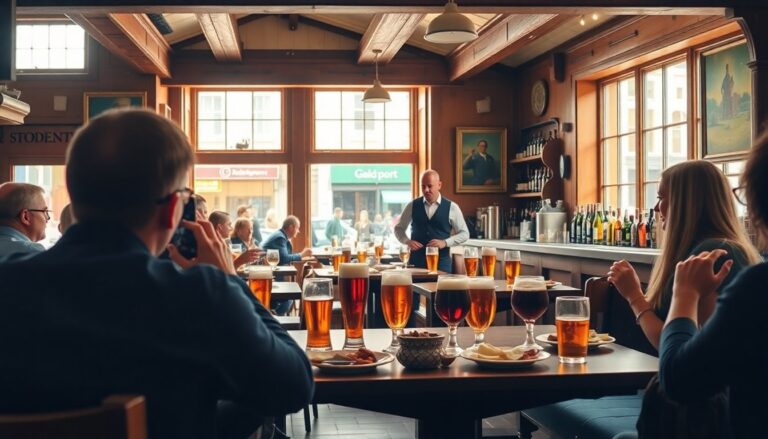
The hospitality industry in Scotland is raising urgent concerns, calling on the government to act immediately on business rates. The Scottish Beer & Pub Association and other key organizations have united to address the unequal burden faced by local businesses compared to those in England.
Industry leaders warn that without prompt action, the consequences could be severe, impacting employment and stifling investment in Scotland’s vibrant towns and cities.
In a collective letter to the Scottish Government, these leaders highlighted the troubling disparity in taxation between Scotland and England.
They argue that if the current trend persists, businesses could find themselves in an untenable financial position, risking widespread closures and job losses.
The facts
Small hospitality venues in Scotland with a rateable value of £18,000 are projected to incur an additional £11,095 in taxes compared to similar establishments in England.
This significant difference raises serious concerns about the sustainability of the hospitality sector in Scotland.
The letter also pointed out that Scottish businesses are paying up to 176% more in rates than their English counterparts due to insufficient government support. This stark contrast has heightened concerns among industry leaders regarding the future of Scotland’s pub and restaurant scene.
Examples of rate disparity
For example, a small pub with a rateable value of £55,000 in Scotland would contribute an additional £55,697.50 in taxes over three years compared to a similar pub in England. In more extreme cases, a pub with a rateable value of £200,000 in Scotland could face a staggering £210,700 disadvantage over the same period.
This financial strain affects not only small establishments but also larger venues, especially those in city centers, which experience even greater challenges due to inflated rateable values and the resultant tax burdens.
Call for reform and government response
The hospitality organizations emphasized the sector’s vital role in providing employment and driving foot traffic into town and city centers, which is crucial for economic health. They urged the Scottish Government to offer meaningful support for non-domestic rates (NDR) in the upcoming budget.
A spokesperson for the Scottish Government acknowledged the ongoing concerns raised by the hospitality sector and announced plans for an independent review of the valuation of licensed properties. This review is expected to report by the end of 2026 and aims to address the valuation system and its implications for the hospitality industry.
Implications for future budgets
As the Scottish Government prepares to unveil its budget for the next fiscal year, attention is focused on how it will tackle the pressing concerns of the hospitality industry. The decisions made could either relieve the financial burden on local businesses or worsen the current challenges faced by the sector.
While hospitality leaders are hopeful for a constructive response from the government, they remain cautious due to a history of inadequate support. The upcoming budget could mark a crucial turning point for many businesses struggling under high rates.
In a collective letter to the Scottish Government, these leaders highlighted the troubling disparity in taxation between Scotland and England. They argue that if the current trend persists, businesses could find themselves in an untenable financial position, risking widespread closures and job losses.0
