

An attempted theft at the Gulf Lix Toll site caused diesel to leak into the River Dochart, prompting containment work by SEPA and temporary water restrictions for Killin residents
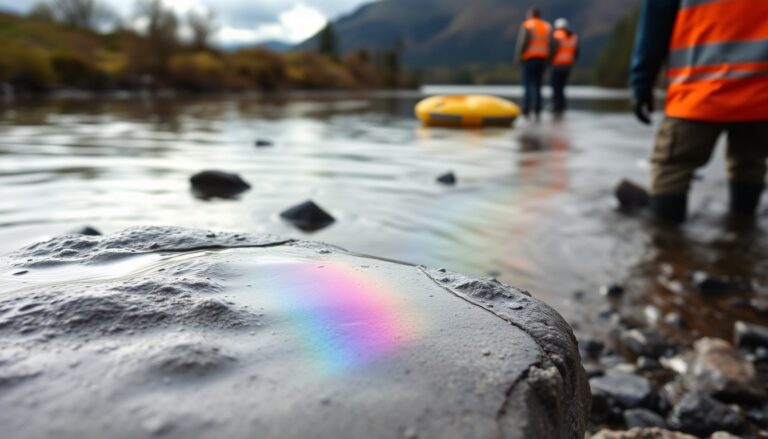
Diesel from a damaged fuel tank at the Gulf Lix Toll filling station in Killin has polluted the River Dochart and threatens waters downstream, including Loch Tay and the River Tay. The spill — believed to have followed an attempted siphoning of fuel — was first reported on Thursday evening.
SEPA officers were on site by Friday, 20 February, and emergency crews moved quickly to limit the spread.
Who’s on the scene
Local emergency services are working alongside SEPA, Scottish Water, Police Scotland, the Health and Safety Executive and a specialist contractor to manage the response.
Teams have set booms and laid absorbent pads, started skimming surface oil where possible, and are excavating patches of contaminated soil. Continuous water-quality monitoring is in place to track the pollution and guide cleanup efforts.
How crews are containing the spill
Physical barriers have been installed upstream and close to the source to reduce bulk movement of the diesel.
Those measures are slowing the advance, but officials warn that thin sheens and small pockets of fuel can slip past barriers and continue downstream. SEPA and the contractor are taking samples of surface water and groundwater to map where the contamination has travelled and plan next steps.
Conditions this weekend
By the morning of Sunday 22 February, visual checks showed signs of improvement in parts of Loch Tay, and no obvious impact was seen between Kenmore and Aberfeldy on the River Tay. Monitoring continues, however, and crews remain vigilant for any fresh signs of contamination.
Impact on the public water supply
Scottish Water closed a raw water intake after diesel was detected and declared a major contamination incident. More than 500 homes and businesses were told they might be affected and advised not to use tap water for drinking, cooking, washing, food preparation, feeding pets or operating appliances connected to the mains. Boiling does not remove diesel contamination.
Support for residents and businesses
Bottled water and tanker deliveries have been organised, with collection points set up for residents. An information centre is open at McLaren Hall on Main Street, Killin (FK21 8TN). Local volunteers, council teams and emergency responders are delivering supplies and checking on vulnerable people. Businesses that rely on large volumes of water have received tailored guidance and priority deliveries where required.
Investigations and next steps
Certas Energy, which operates the filling station, is cooperating with Police Scotland, SEPA and other regulators while the cause of the tank damage is investigated. SEPA’s inquiry will assess environmental harm, trace pollutant pathways and decide whether further soil or water remediation is needed. Officers remain on site to supervise contractors and recommend extra measures if necessary.
When restrictions might lift
Authorities will continue targeted sampling at abstraction points and other strategic sites. Any decision to reopen intakes or lift restrictions will be based on laboratory results; officials caution that disruption could last several days while the system is brought back to safe standards.
How you can help
– Follow updates from SEPA and Scottish Water for the latest sampling results and safety notices. – Report sightings of pollution to SEPA’s incident hotline on 0800 80 70 60 or use their online reporting tool. Provide an exact location, the time, and details such as colour, sheen or smell. – If you notice discoloured water, dead fish, unusual odours or surface films, report them immediately — timely, detailed reports help responders prioritise and target their work.
If you need water or support, visit the information centre at McLaren Hall or check Scottish Water and SEPA channels for advice and collection point details. Authorities will keep the community updated as cleanup and testing continue.
