

A couple who consumed 12 litres of Coke and two loaves of bread daily share how they lost a combined 40 stone and reclaimed their health for their son
Headline: How Dawid and Rose‑Mari Lombard lost a combined 40 stone by changing everyday habits
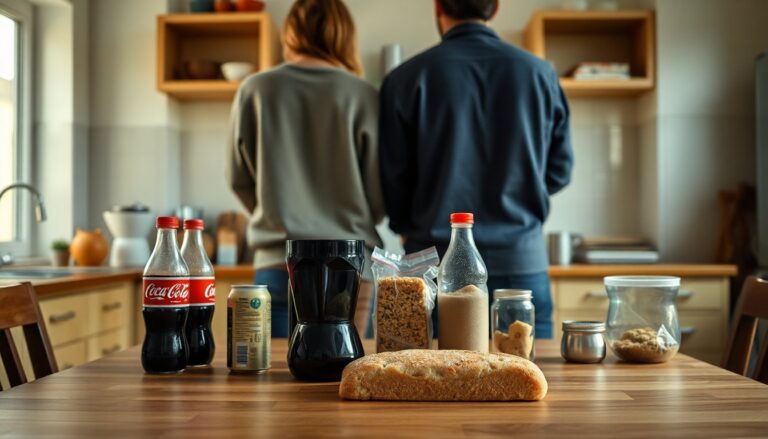
When Dawid and Rose‑Mari Lombard decided to change, they weren’t chasing a quick fix — they were unraveling decades of routines. At their heaviest the couple shared the startling habit of drinking roughly 12 litres of cola and polishing off two loaves of bread every single day.
What seemed like ordinary choices slowly stacked into a substantial, sustained calorie surplus, and the effects showed up in extra weight and rising metabolic risk.
The motive that flipped the switch wasn’t vanity. It was the desire to give their son a healthier home.
That simple aim became the engine for a steady, realistic overhaul: months of trial and error, setbacks and small triumphs, culminating in a combined loss of about 40 stone (roughly 254 kg). Their progress didn’t hinge on radical diets or gimmicks but on making household habits less harmful and more habitual in a healthier way.
Here’s how they did it — and how other families can borrow the essentials.
Where the problem began
The Lombards’ daily pattern revolved around convenience: large portions, ready-made calorie‑dense foods and constant access to sugary drinks. Three forces reinforced one another — oversized servings felt normal, tempting foods were always within reach, and familiar cues (stress, boredom, routine) prompted eating even when they weren’t hungry. Those nudges turned reduction into an uphill battle.
Small, practical steps that add up
Rather than starve themselves with strict rules, Dawid and Rose‑Mari changed one thing at a time. They shrank portion sizes, traded a few high‑calorie items for lower‑energy alternatives, and established regular meal times to tamp down impulse snacking. They started tracking a handful of simple measures — daily beverage tallies, servings of refined starch, body weight and waist circumference — which turned vague intentions into tangible goals.
Change wasn’t linear. Cravings, stressful days and social events led to relapses. But they learned to spot risky moments and plan around them: keeping water within reach, removing bulk sugary‑drink packs from shopping lists, and replacing couch time with family activities. When one partner embraced a new routine, it reshaped the household — clear shelves and different groceries made healthier eating the default, not an extra effort.
Why liquid calories and refined starches matter
Sugary drinks are sneaky. Liquid calories pass through quickly and don’t produce the same feeling of fullness as solid food, so you can drink a lot of energy without reducing how much you eat later. Refined, high‑glycaemic starches — think white bread, many pastries and processed staples — trigger fast blood sugar spikes and insulin swings that often leave you hungrier sooner. Over weeks and months, those patterns encourage a steady energy surplus and gradual weight gain.
The two high‑impact changes that helped the most
The Lombards focused on two simple swaps:
– Cut liquid calories: replace sugar‑sweetened beverages with water, unsweetened tea or plain sparkling water.
– Choose higher‑fibre carbs: move from refined starches to whole grains, legumes and other fibre‑rich foods that blunt post‑meal glucose rises and help you feel fuller longer.
They paired these swaps with predictable routines — set meal times, scheduled family walks, and short, regular check‑ins to stay accountable. Rather than fixating solely on the scale, they monitored clinical markers (like fasting glucose and HbA1c) to see how their bodies were responding.
A practical way to get started
Try a quick household audit: for two weeks, note how many sugary drinks each person consumes daily and log servings of refined starches. Then replace one sugary drink and one refined‑starch item per person with healthier alternatives, and reassess in a month. Don’t expect instant transformation; look for steady improvements — fewer cravings, more stable glucose readings and gradual weight loss.
When Dawid and Rose‑Mari Lombard decided to change, they weren’t chasing a quick fix — they were unraveling decades of routines. At their heaviest the couple shared the startling habit of drinking roughly 12 litres of cola and polishing off two loaves of bread every single day. What seemed like ordinary choices slowly stacked into a substantial, sustained calorie surplus, and the effects showed up in extra weight and rising metabolic risk.0
