

Senior UK figures and business bodies are urgently engaging with the US after President Donald Trump announced a rise to 15% global tariffs, prompting concern over trade costs and the future of preferential arrangements
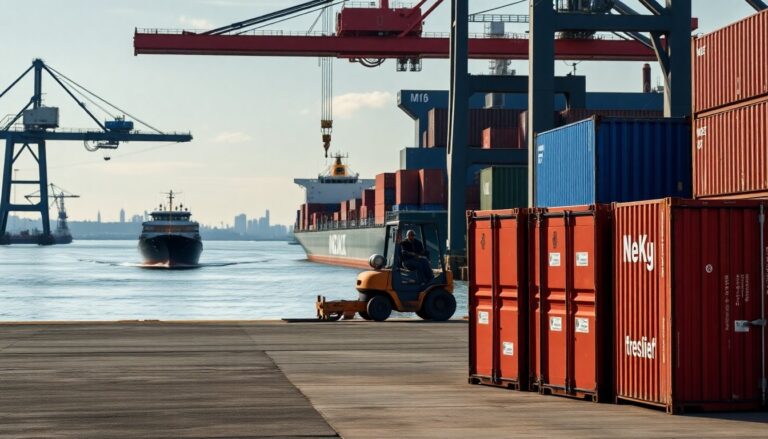
UK and US open urgent talks after surprise 15% global tariffs
The White House’s sudden decision to impose a 15% global tariff has prompted fast, high‑level contact between London and Washington. Within hours UK ministers and trade bodies flagged serious concerns; officials say intensive discussions are underway to protect existing carve‑outs and limit wider disruption to trade ties.
Why this happened — and what it means
The measure follows a recent US Supreme Court decision that invalidated an earlier tariff framework. Rather than wait for new legislation, the administration used executive authority to reimpose import levies, announcing a flat 15% rate to take effect immediately.
The move sidesteps Congress for now and pushes the dispute into a mix of court challenges, parliamentary pressure and diplomacy.
On the ground, the tariff changes will force customs authorities to rewrite declarations, valuation rules and enforcement procedures. Importers will face different billing and compliance obligations, while exporters and foreign suppliers will see higher landed costs that could trigger rapid supply‑chain shifts.
Buyers sensitive to price will hunt for alternative sources or routes, and many companies will reprice, reroute or reallocate inventory almost overnight when duty changes bite into margins.
Legal and political fallout is likely. Trade groups have already signalled potential judicial reviews and appeals to Congress. Partner governments are lodging formal questions through diplomatic channels as they weigh whether to retaliate or seek carve‑outs.
UK reaction: diplomacy, not drama
In London, ministers expressed clear concern and immediately opened formal lines of inquiry with US counterparts. Briefings convened by trade and foreign ministries focused on quantifying exposure and identifying vulnerable sectors — from steel and autos to medical supplies and pharmaceuticals. Officials are working closely with industry to map out practical impacts.
The UK’s approach favors quiet diplomacy over public confrontation. Officials say targeted, technical talks and high‑level private consultations are the best route to secure exemptions and reduce disruption. Negotiators are pressing for written assurances on prior exclusions and exploring mitigation measures to protect supply chains and ease compliance burdens.
Business and political responses at home
Business leaders warn that a blanket 15% levy will squeeze already tight margins and push up input costs amid constrained labour and capital markets. Trade bodies are pressing for rapid clarity on which sectors will remain exempt, referencing recent discussions between Prime Minister Keir Starmer and President Trump.
Companies have started to respond predictably: accelerating contract renegotiations, diversifying markets and, in some cases, pausing investment until tariff treatment is confirmed in writing. Industry groups will be watching shipping costs, delivery times and cancellation trends as early warning signs of damage.
Political reactions are mixed. Opposition figures have talked up legal routes to seek damages, while others favour a firmer diplomatic line or back‑channel engagement with US influencers to ease tensions. Financial markets showed modest volatility in sterling and in manufacturing and logistics stocks; analysts say bigger moves will depend on announcements about exemptions and any reciprocal steps.
What officials are doing now
UK ministers say their immediate priorities are securing written assurances on existing exclusions, coordinating closely with exporters and keeping lines of communication open with US officials. Talks are concentrated on preserving preferential arrangements for key sectors and limiting short‑term economic fallout. Behind the scenes, technical teams are updating customs guidance and advising firms on compliance while legal teams prepare for potential challenges.
Outlook and practical steps for businesses
The measure follows a recent US Supreme Court decision that invalidated an earlier tariff framework. Rather than wait for new legislation, the administration used executive authority to reimpose import levies, announcing a flat 15% rate to take effect immediately. The move sidesteps Congress for now and pushes the dispute into a mix of court challenges, parliamentary pressure and diplomacy.0
The measure follows a recent US Supreme Court decision that invalidated an earlier tariff framework. Rather than wait for new legislation, the administration used executive authority to reimpose import levies, announcing a flat 15% rate to take effect immediately. The move sidesteps Congress for now and pushes the dispute into a mix of court challenges, parliamentary pressure and diplomacy.1
The measure follows a recent US Supreme Court decision that invalidated an earlier tariff framework. Rather than wait for new legislation, the administration used executive authority to reimpose import levies, announcing a flat 15% rate to take effect immediately. The move sidesteps Congress for now and pushes the dispute into a mix of court challenges, parliamentary pressure and diplomacy.2
