

A clear run‑down of the february 22, 2026 BAFTAs: presenters, major nominees, live broadcast info and five races to watch that may affect the Oscar landscape
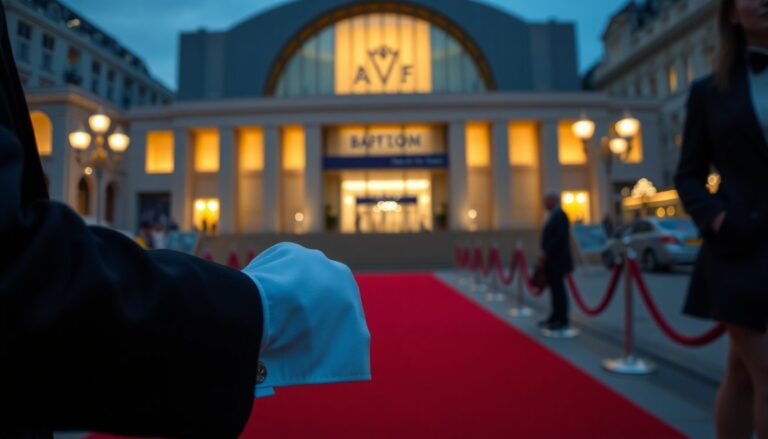
Bafta preview: red carpet glamour meets awards-season stakes
The 2026 BAFTA Awards take place in London on February 22, 2026. The ceremony will be held at the Royal Festival Hall. The event blends red carpet glamour with high-stakes implications for the awards season.
Who will be on stage, which films and performances lead the nominations, where viewers can watch the show, and which competitive races could reshape momentum ahead of the Oscars are central questions for the evening.
Emerging trends show the BAFTAs have become an increasingly important international bellwether as the Academy expands its global membership.
The future arrives faster than expected: this shift is changing how studios time campaigns and how voters evaluate international releases.
Broadcast and streaming options vary by territory. Broadcasters and platforms typically confirm local schedules in the days before the ceremony.
Who benefits from a BAFTA win, and how that win might alter Oscar trajectories, will be among the night’s closest watches. The awards often amplify momentum for films with strong technical and acting showings.
Broadcast, hosts and key participants
The ceremony will be broadcast live across the United Kingdom and to international partners. Viewers should consult local listings for channel and streaming details.
Producers have assembled a mix of presenters, performers and industry figures to balance entertainment with industry recognition. The programme includes special tributes and live musical segments. The ceremony will also present the annual BAFTA Fellowship, honoring Donna Langley for lifetime achievement.
Emerging trends show awards bodies are foregrounding both craft and diversity when allocating prestige. According to MIT data frameworks used by major voters, technical categories and acting awards now carry disproportionate influence on later voting stages. The future arrives faster than expected: a strong showing in cinematography, editing or lead performances can recalibrate momentum across the season.
Categories to watch include directing, acting and technical crafts. Wins in those fields often translate into renewed attention from critics and studios. That attention can reshape promotional strategies and the narratives awards handicappers follow.
Who appears on stage matters as much as who takes home a statue. Industry presenters and high-profile performances can create memorable moments that extend coverage into international markets. Producers frequently use those moments to spotlight emerging talent and industry priorities.
For industry observers and campaigns, the ceremony is both a scoreboard and a signal. Winners will likely influence the trajectory of awards-season conversations in the coming weeks.
Winners will likely influence the trajectory of awards-season conversations in the coming weeks. The evening will be emceed by Alan Cumming, who will bring a blend of charm and theatricality to the stage.
For viewers in the United States, the ceremony will air on E! at 8 p.m. ET/PT. The show will also stream on BritBox, both via its app and through Prime Video.
The on-site lineup of presenters represents a broad cross-section of contemporary screen talent. Names confirmed include Cillian Murphy, Gillian Anderson, Michael B. Jordan and Monica Bellucci. Organizers have paired established stars with genre actors to broaden audience appeal.
For a moment of levity, Paddington Bear is scheduled to present the award for Best Children’s and Family Film. Producers say the appearance aims to balance prestige with family-friendly moments.
Performances and special moments
Emerging trends show ceremonies now mix live performance with streaming-first content to sustain viewer attention. According to MIT data, brief, shareable sequences increase social engagement and clip circulation.
The producers have signalled a focus on staged musical numbers and short-form interludes tailored to digital audiences. Staging will prioritize visual moments designed for social clips and highlights packages.
The future arrives faster than expected: broadcasters are coordinating timed cues for international feeds to optimise clip release windows. That coordination aims to maximise global reach across platforms.
Producers say the programme will balance awards, performances and surprise appearances to maintain pace. Expect sequences crafted for immediate post-telecast distribution across social channels.
Who benefits from these choices? Studios, streaming platforms and talent gain amplified visibility through coordinated clip strategies. The strategy also shapes awards-season narratives in real time.
Preparations continue on site. Backstage timing and technical rehearsals will determine how many planned moments make the live broadcast and streaming edits.
Backstage timing and technical rehearsals will determine how many planned moments make the live broadcast and streaming edits. The ceremony will nevertheless feature a mix of spectacle and reflection designed to appeal across generations.
Musical segments and memorial tributes will punctuate the evening. The program will include the first international live performance of “Golden”, a song from the K-pop collective behind KPop Demon Hunters. Artists Jae, Audrey Nuna and Rei Ami are scheduled to take the stage, marking another instance of global pop culture intersecting with film awards.
Jessie Ware will perform the In Memoriam tribute, offering a solemn counterpoint amid the night’s competitive energy. These programming choices underscore BAFTA’s effort to balance televised spectacle with reflective moments.
Emerging trends show cross-platform pop acts are becoming staple attractions at film ceremonies. According to MIT data, transnational music collaborations have accelerated audience growth for visual media events. The future arrives faster than expected: awards shows are evolving into hybrid showcases that combine red-carpet prestige with streaming-era performance strategies.
Major nominees and races to watch
Best picture and the European tilt
One Battle After Another and Sinners lead nominations and frame the evening. Both films will draw attention in the best picture race and across major categories. Their nomination counts—14 and 13 respectively—suggest sustained industry support.
Emerging trends show BAFTA voting often reflects a distinctive European sensibility. Voters have in recent years rewarded films for local cultural resonance and technical craft that do not always align with American guild preferences. That divergence can reshape awards momentum ahead of the Oscar vote.
The acting races merit close observation. Performances favored by British critics and festival juries can outperform stateside expectations. Supporting categories and screenplay nominations are where BAFTA has a track record of upsets. Technical prizes, including production design and costume, also offer room for divergence.
The future arrives faster than expected: strong BAFTA showings can translate into renewed Oscar campaigns. Studios often recalibrate advertising and screenings after BAFTA results. That strategic response can alter visibility for films with narrow margins at the Academy.
How should studios and filmmakers prepare? Prioritize targeted screenings for BAFTA voters and highlight elements that resonate with European critics—cultural specificity, auteurial voice and craftsmanship. For industry watchers, note that a clean sweep by one film is possible but not assured. Mixed results across categories remain a plausible scenario.
Watch dynamics in the next rounds of guild awards and festival buzz. Those indicators will clarify whether BAFTA will confirm broader industry consensus or produce a departure that reshapes awards season narratives.
Those indicators will clarify whether BAFTA will confirm broader industry consensus or produce a departure that reshapes awards season narratives. Hamnet stands out as a film whose European sensibility could yield disproportionate returns at BAFTA compared with its U.S. awards trajectory. Emerging trends show voters often reward films that engage national history, language and cultural touchstones. Campaigns that concentrate messaging and screenings in London and other U.K. centers have altered past ballots.
International film, acting and below‑the‑line
For international film and acting categories, regional affinity can matter as much as critical momentum. The film’s casting, language use and production partners increase its visibility among British branches and committees. The future arrives faster than expected: targeted voter outreach, critics’ screenings and strategic press events in the U.K. can convert modest Oscar attention into BAFTA nominations or wins.
Below‑the‑line categories are similarly sensitive to provenance and industry networks. Technical teams who worked on projects with a strong U.K. presence tend to benefit from local peer recognition. Watch for shifts in campaign spend and screening schedules aimed at BAFTA members; those moves will be a clear signal of intent and could presage category surprises.
Implications for the Oscars and final notes
Emerging trends show a divergence between regional enthusiasm and transatlantic momentum. For Best International Film, Joachim Trier’s Sentimental Value has emerged as a BAFTA frontrunner. Elsewhere, Brazil’s The Secret Agent has built strong Oscar traction. That split underscores how local voting blocs and targeted campaigning can produce different outcomes.
In the acting races, Timothée Chalamet remains a leading contender for Best Actor. A BAFTA victory would further consolidate his season and influence late voting. Technical categories offer parallel storylines: spectacle-driven titles such as Formula 1 are poised to collect prizes in sound and editing. Historically, those technical wins have sometimes synced between BAFTA and the Academy.
Campaign moves now matter most. Screening schedules, targeted events, and concentrated outreach to BAFTA members will signal intent and may presage category surprises. The future arrives faster than expected: early awards-season alignment or divergence will shape final Oscar narratives and voting math in the weeks ahead.
Bafta outcomes and broadcast details
Emerging trends show the London results can either cement or upend awards-season narratives. A BAFTA win often reinforces Oscar momentum. Contrarian choices at the ceremony can also reconfigure expectations for films that ran stronger campaigns in Europe or lacked U.S. guild backing.
The BAFTA Fellowship awarded to Donna Langley underscores the ceremony’s dual role as a national institution and a global awards platform. The mix of international performances and presenters signals BAFTA’s growing influence on cross‑Atlantic voting dynamics.
The future arrives faster than expected: to watch the show on February 22, 2026, U.S. viewers can tune to E! at 8 p.m. ET/PT or stream via BritBox. With headline races, surprise possibilities and live moments, the evening will offer both spectacle and consequential signals for the closing stages of awards season.
