

Somerset Council, the Environment Agency and partners have stood down the major incident declared after Storm Chandra on 27 January; recovery work, pumping and community support remain in place
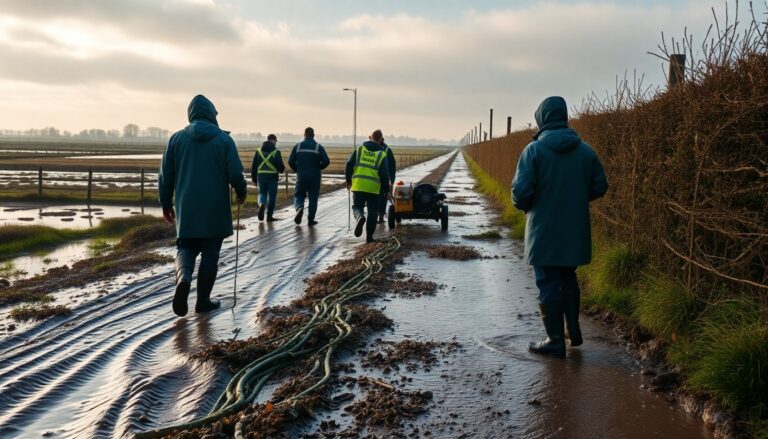
Recovery under way on the Somerset Levels and Moors after Storm Chandra
Teams from Somerset Council, the Environment Agency, emergency services, health providers and other local partners have stood down the Major Incident response, but the job is far from over.
Since Storm Chandra struck on 27 January, work has shifted from immediate emergency action to a coordinated recovery — a move that reflects reduced danger but not a return to normal life yet. Crews remain on the ground, managing floodwater, operating pumps and keeping key routes as open as possible.
What’s changed — and what hasn’t
On 18 February partners agreed to transition from an emergency response into a structured recovery phase. That decision followed improvements in river and moorland levels, yet many hazards linger. Instead of 24/7 crisis command, the effort now focuses on stabilising infrastructure, targeted repairs and supporting residents to rebuild.
Resources and communications remain in place so teams can respond quickly if conditions deteriorate.
Who’s working on recovery
A range of agencies continues day‑to‑day operations across the Levels and Moors. Their priorities are simple and practical: protect life and critical services, monitor waterways and flood defences, manage remaining risks, and offer welfare and practical support to people affected.
Practical advice for residents
– Follow official sources for updates: check the council and Environment Agency webpages, community hubs and local health notices. – Report safety concerns to the council or emergency services rather than via social media so crews can act quickly. – If your home has been damaged, take dated photos and keep receipts or other records — these will help with insurance and recovery payments. – Don’t enter properties that professionals have declared unsafe. Keep phones charged, secure essential medicines and accept offers of temporary accommodation or welfare support when available. Recovery teams will publish clear, step‑by‑step guidance on how to register for help and access mental‑health or insurance support.
Pumping, monitoring and logistics
Pumping remains central to managing the affected area. The Environment Agency continues asset inspections, pump operations and flood alerting. Additional pumps are deployed across West Sedgemoor, Midelney, Huish Episcopi, Westover, Currymoor, Northmoor, Saltmoor and Westonzoyland. Crews work around the clock to service, refuel and operate equipment, adjusting pump rates and schedules to avoid worsening conditions downstream and to fit river and tidal windows. Where access is restricted, portable pumps and mobile teams are used until larger assets can be brought in.
Behind the scenes, fuel, spare parts and backup generators are being coordinated to keep operations running. Contingency pumps and mobile crews are prepositioned so response times shorten during tidal peaks or heavy rain.
Roads, travel and safety
Storm damage and flooding have left multiple road defects and closures. Notable current restrictions include:
– A361 between Burrowbridge and East Lyng (emergency gates closed) – A30 at Hendford Hill, Yeovil (fallen trees and bank slippage) – Local lanes such as Aller Drove, Wetmoor Lane, Thorney Road (near Langport), Godney Road and others
Crews are repairing carriageways and clearing debris, but closure signs must be obeyed — do not attempt to drive around them. Before travelling, check @TravelSomerset on X, the council’s Facebook page or the council roadworks pages for the latest information.
What to expect next
Recovery will be gradual. Teams will carry out ongoing inspections, targeted repairs and, where necessary, temporary restrictions until services are reliably restored. Although immediate danger has eased, people should remain cautious and use official channels for verified information. Authorities are keeping resources and communications ready in case conditions change.
If you need help
If you are affected and unsure what to do next, contact Somerset Council or visit the Environment Agency’s local webpages for guidance on registering for assistance, insurance advice and wellbeing support. Community hubs are available for face‑to‑face help and welfare checks.
What’s changed — and what hasn’t
On 18 February partners agreed to transition from an emergency response into a structured recovery phase. That decision followed improvements in river and moorland levels, yet many hazards linger. Instead of 24/7 crisis command, the effort now focuses on stabilising infrastructure, targeted repairs and supporting residents to rebuild. Resources and communications remain in place so teams can respond quickly if conditions deteriorate.0
