

Storm Hernando is causing major disruption to transatlantic travel, with numerous departures and arrivals cancelled at key UK airports on Monday, February 23
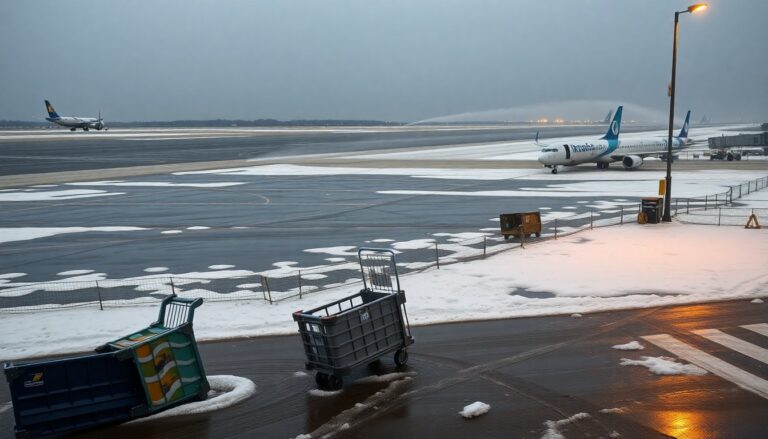
Storm Hernando ripped through the US east coast on Monday, February 23, creating chaos for transatlantic travel and forcing a raft of cancellations between the UK/Ireland and North America.
What happened
– The US National Weather Service labeled Hernando a “major winter storm.” Forecasters warned of heavy snow, gale‑force winds, coastal flooding and possible power outages — conditions that made flying and airport operations hazardous.
– Airlines pulled multiple services to protect passengers and crews, disrupting flights to and from JFK, Newark and Boston and creating knock‑on effects across return rotations.
Where travel was hit
– Major UK and Irish hubs reported widespread disruption: London Heathrow, London Gatwick, Manchester, Edinburgh and Dublin all saw cancellations and delayed incoming services from US east‑coast airports.
– Specific figures reported on the day: Heathrow removed 32 departures to JFK, Manchester had at least three direct services affected, Edinburgh saw 35 US‑bound legs cancelled, and Dublin confirmed seven outbound and six inbound cancellations tied to the storm.
What passengers should do now
– Check your flight before you go anywhere. Use your airline’s website or app and re‑check about two hours before departure.
– If your flight is cancelled, airlines usually offer rebooking, refunds or alternate routings. Contact your carrier or travel agent to lock in options.
– Keep all booking confirmations and any written communications. These help for refunds, insurance claims or rights complaints.
– Carry essentials in your hand luggage: medications, chargers, a spare outfit and documents for onward travel.
– Be prepared for long lines at customer service desks and security. Allow plenty of extra time to get through the airport.
– If you might need a hotel, identify nearby places with late check‑in and keep receipts for any out‑of‑pocket costs.
Why a single storm can wreck so many flights
Long‑haul schedules are fragile. One cancelled leg can strand an aircraft, crew and blocked slots, which then ripples through the timetable. Snow, flooding and extra procedures like de‑icing slow turnarounds, so airlines often cancel ahead of time to avoid leaving people stuck in dangerous locations — a disruptive but safer choice.
Passenger rights and documentation
Depending on your route and ticket, you may be entitled to care (meals, accommodation) and refunds under rules like EU Regulation 261/2004 or equivalent regional protections. Save receipts and written confirmations — they matter when making claims or insurance requests.
Practical tips for groups and travel managers
– Keep travelers updated with a single point of contact and clear rebooking procedures.
– Use real‑time dashboards or automated tools where possible to reassign bookings quickly and avoid confusion.
– Factor extra transit time into itineraries while the situation is fluid.
What to expect next
Airlines and airports will keep updating timetables as conditions change. Tens of thousands of passengers were affected on February 23; follow official airline channels, airport status pages and weather services for the latest. If your plans are impacted, act early — rebookings and refunds can take time, and documented proof of costs will save headaches later.
