

sepa is leading response and monitoring after oil was found in the River Dochart near Killin; containment measures and contractor clean-up began after the source was identified on 20 February
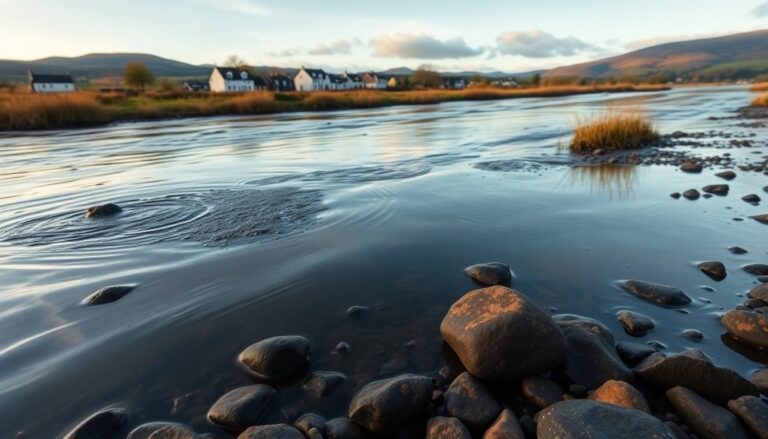
SEPA investigates oil pollution in the River Dochart near Killin
The Scottish Environment Protection Agency (SEPA) is leading an active response after reports of oil in the River Dochart close to Killin. Officers were alerted by local calls on the evening of Thursday, and crews were on the scene through the night to find the source and check immediate impacts.
What happened and immediate action
On Friday 20 February, SEPA identified a likely source of the contamination and brought in a specialist remediation contractor to contain and clean up the release. SEPA is coordinating the effort with local authorities and Scottish Water, and teams are collecting water-quality samples to guide the next steps.
Containment work currently focuses on limiting ecological harm and preventing oil from spreading further downstream. Crews have placed booms and absorbent materials close to the release point to capture floating product. However, SEPA warns that some oil may bypass these barriers and traces could remain in smaller upstream tributaries; isolated pockets may still move downstream during changes in flow or bad weather.
Site inspections and monitoring
SEPA’s national duty manager, Wendy Thornton, says inspections and operational oversight are continuing. Field teams are carrying out regular visual surveys and taking samples to establish how much contamination remains and whether further measures are needed.
On the morning of Sunday 22 February, officers surveyed Loch Tay and stretches of the River Tay. The east end of Loch Tay appeared clear, and no visible impacts were found on the River Tay between Kenmore and Aberfeldy. SEPA stresses that visual checks are only part of the picture—laboratory analyses are needed to confirm water quality and any ecological effects.
Where oil is most likely to be found
Small streams and minor feeder channels near the spill site are the places to watch. These narrow watercourses can hold lingering oil that may later be mobilised. Local businesses, landowners and anyone using nearby burns should keep an eye out for oil sheens, discoloured water or wildlife in distress and report what they see.
Partner coordination and public guidance
SEPA is leading the response with the contractor, local authorities and Scottish Water. Repair work related to water quality concerns in Killin is under way, and SEPA staff are making follow-up visits to check clean-up progress and to decide if additional containment or recovery is necessary.
Officials will provide updates through local channels and partner briefings as sampling and lab results come in. If monitoring shows residual risk, expect further guidance and specific precautions.
What residents and visitors should do
If you see oil, a rainbow-like sheen, unusual water colouring, or wildlife acting abnormally, report it straight away. Call SEPA on 0800 80 70 60 or submit a report online. Give a precise location, the time, clear photos and an estimate of the affected area if you can—those details help responders act faster and more effectively.
Outlook
SEPA expects small, isolated amounts of oil may continue to move downstream from minor feeder streams. Response teams will keep monitoring identified sites and adjust containment and cleanup plans as conditions change. The priority is to minimise environmental harm and restore safe conditions as quickly as possible.
Community role and next steps
On Friday 20 February, SEPA identified a likely source of the contamination and brought in a specialist remediation contractor to contain and clean up the release. SEPA is coordinating the effort with local authorities and Scottish Water, and teams are collecting water-quality samples to guide the next steps.0
