

The White House insists the June 2026 Operation Midnight Hammer shattered Iran’s nuclear infrastructure, while recent remarks by a senior envoy and reports from monitoring bodies underline continuing uncertainty and the fragile path back to diplomacy
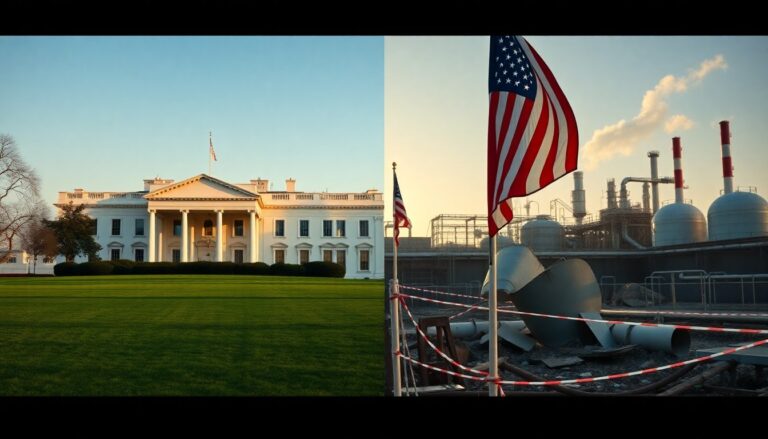
A public tug-of-war has broken out inside Washington over how close Iran might be to producing weapons-grade material. A senior U.S. envoy told a broadcaster that Tehran could be roughly a week away from “industrial‑grade” bomb‑making uranium.
The White House pushed back, saying last June’s Operation Midnight Hammer badly damaged Iran’s nuclear infrastructure and set its program back.
The disagreement matters because it reveals how different lenses — political messaging, battlefield assessments and outside verification — can produce sharply different pictures.
Those mismatched signals shape how allies decide whether to pressure Tehran harder, bolster regional defenses, or prepare contingency plans.
Who said what, and why it matters
Senior U.S. officials, a White House spokesperson and an envoy each offered distinct takes.
One warned of a rapid “breakout” capability; the administration stressed the damage inflicted by last year’s strikes. Both points refer to the post‑strike environment, but they imply very different timelines and policy responses. When those timelines are aired publicly, partners can come away with divergent expectations about urgency and risk.
What the technical jargon hides
The envoy’s “one week” remark alluded to the classic breakout metric — the time to enrich uranium to weapons‑usable levels. That’s an attention-grabbing milestone, but it’s only one piece of a much larger puzzle. Turning enriched uranium into an operational weapon requires metallurgical processing, warhead design and assembly, testing, and integration with delivery systems. Each of those steps demands specialized skills, equipment and time — often much more than the narrow enrichment window that headlines fixate on.
The verification gap
Public briefings cite intercepted communications and imagery pointing to serious damage at enrichment sites. The White House leans on international oversight and internal reviews that, it says, confirm critical infrastructure was rendered inoperable. Independent experts, however, urge caution. Inspectors have been denied full access to multiple sites since the strikes, so on‑the‑ground verification remains limited. Remote sensing and open‑source clues can suggest damage or activity patterns, but they rarely deliver a definitive read on operational status, inventory levels, or repair progress.
Why that uncertainty matters strategically
When assessments don’t line up, the consequences go beyond media fodder. Allies might vary in how quickly they mobilize diplomatic pressure or military deterrence; adversaries could read gaps as a chance to probe weaker responses. The absence of clear, shared facts also complicates the work of international monitors and reduces the confidence policymakers can place in public claims.
What to watch next
Expect renewed efforts at intelligence sharing and more formal requests from monitoring bodies for site visits and inventories. Technical inspections and transparent on‑the‑ground checks will be the most useful tools for settling competing claims. Until inspectors gain fuller access, conflicting public statements are likely to persist, and policymakers will have to weight imperfect information as they decide how to respond. A single number — “one week” — can be accurate in a narrow technical sense but misleading if treated as a complete timeline for a usable weapon. Policymakers, partners and the public would do well to watch for hard verification rather than rely on soundbites.
