

Rescue operations continue in Minas Gerais after torrential rainfall triggered multiple landslides and floods that killed 46 people, displaced thousands and left communities searching for loved ones
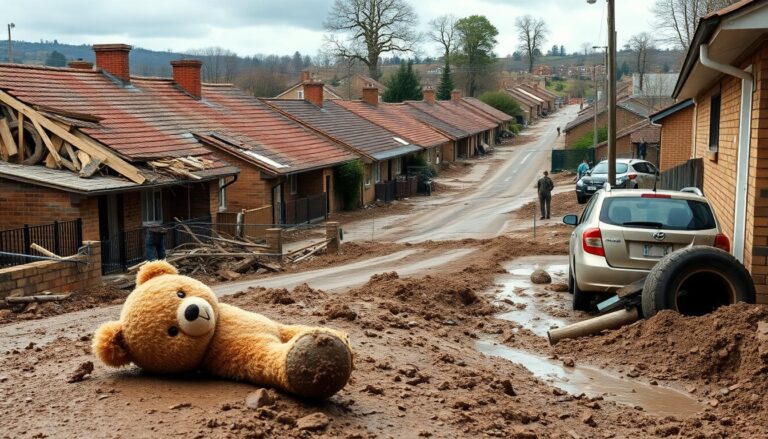
The southeastern Brazilian state of Minas Gerais is grappling with the aftermath of intense rainfall that produced widespread flooding and deadly landslides. Authorities have revised the human cost of the disaster to 46 confirmed deaths, with around 21 people still missing.
Entire neighborhoods were overwhelmed by mud and debris, forcing thousands from their homes and prompting large-scale search and relief operations.
Emergency services, including state firefighters and volunteer teams, have been working around the clock to comb through ruined houses and riverbanks.
Local officials say the hardest-hit locations include the city of Juiz de Fora, where the majority of fatalities occurred, and the nearby town of Uba. Heavy machinery, sniffer dogs and human chains of rescuers have concentrated on hillside districts where sudden slope failures swept away dwellings at night.
Human toll and immediate response
According to state emergency services, 40 deaths were recorded in Juiz de Fora and six in Uba. Authorities also report that roughly 3,600 residents have been displaced and relocated to temporary shelters. City leaders declared a state of emergency to speed humanitarian assistance and mobilize resources for recovery.
Mayor Margarida Salomao has described the situation as extreme in parts of the municipality, noting that multiple landslides have cut off neighborhoods and disrupted basic services. President Luiz Inacio Lula da Silva posted support for relief efforts on social media, emphasizing the need to restore services and help those forced from their homes.
Search operations and personal stories
Rescue crews reported a mix of small victories and grim recoveries as they worked through the debris. Teams have recovered bodies and at times pulled survivors from the rubble, but officials warn the chances of finding those still missing alive are diminishing as time passes. Many families remain in anguished limbo, waiting for news amid the wreckage.
Voices from the affected communities
Residents have shared accounts of nights when rain turned streets into torrents and hillsides into collapsing slopes. One local, Josiane Aparecida, described losing relatives to a landslide and expressed the conflicting emotions of hope and despair while loved ones remained unaccounted for. At a funeral, the father of an 11-year-old boy remembered his child as warm-hearted, underscoring the personal tragedies behind the statistics.
Operational challenges
Emergency teams face difficult conditions: saturated ground that complicates excavation, unstable slopes that endanger rescuers, and isolated neighborhoods where roads are impassable. Authorities have suspended in-person classes in municipal schools in affected areas and prioritized clearing access routes so relief convoys can deliver food, water and medical aid.
Causes, vulnerability and longer-term context
Meteorological services attribute the immediate trigger to persistent heavy rains that caused rivers to overflow and loosened soils on steep inclines. In hillside settlements, the combination of saturated soil and makeshift housing increases the likelihood of sudden slope failures. Experts point out that poorer communities are disproportionately affected because they often occupy marginal land with limited infrastructure and emergency support.
Scientists have linked an increase in the frequency and severity of such extreme weather events to broader climate change trends. In recent years Brazil has experienced a string of flood and heatwave events with high casualty counts and extensive displacement. Officials and analysts warn that as intense rainfall episodes become more common, risk-reduction measures and better land-use planning will be essential to prevent repeat disasters.
Regional implications
Beyond the immediate damage in Minas Gerais, some neighboring countries and regions are also reporting heavy precipitation and flood-related emergencies. Governments have been coordinating where possible to share forecasts and logistical support. The unfolding events have renewed calls for investment in early-warning systems, drainage and slope stabilization projects in vulnerable urban and peri-urban zones.
Relief, reconstruction and outlook
Short-term priorities for authorities include locating missing people, treating the injured, restoring utilities and providing shelter and psychological support to displaced families. Medium- and long-term tasks will involve assessing the structural safety of affected neighborhoods, rebuilding damaged homes and infrastructure, and implementing policies to reduce future exposure to landslides and floods.
Local leaders, emergency coordinators and community organizations are preparing for protracted recovery work, while humanitarian agencies are mobilizing resources. As search crews continue their efforts, families and neighbors wait for closure and for the comprehensive recovery plan that will be necessary to rebuild lives and make the region more resilient to future storms.
