

The palate never lies: a sensory exploration of fermentation, seasonal ingredients, and the stories they carry
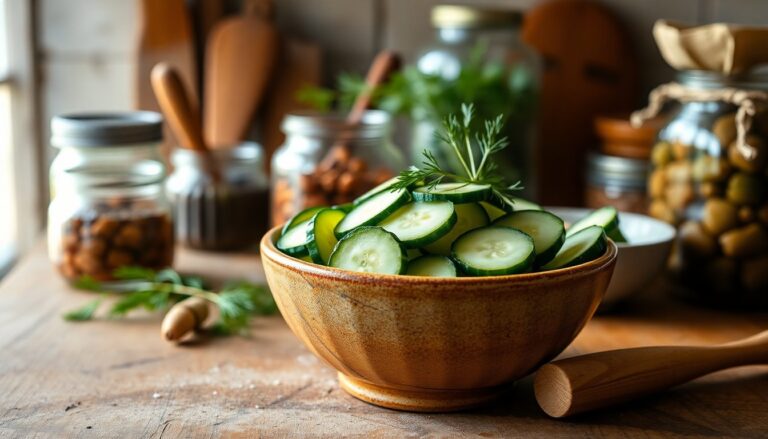
A sensory journey through fermented flavors and local terroir
Opening: taste before words
The palate never lies. Close your eyes and imagine the bright tang of a fermented cucumber, the rounded depth of miso butter melting into warm bread, and the long, savory whisper of umami settling on the tongue.
Appetite is summoned by sensation: a pinch of salt, a flash of acidity, a trace of smoke or earth that points back to place.
Behind every dish there’s a story of ingredient, method and land. I write as Elena Marchetti: former starred chef, now food writer.
As a chef I learned that precise technique and respect for provenance shape flavor as much as imagination does.
This evergreen guide lays out what fermented flavors reveal about supply chains and terroir. It will explain technical steps of fermentation in accessible terms.
It will link taste to season, farm practice and tradition. Practical takeaways will help readers value craftsmanship and choose ingredients with knowledge.
Behind the ingredient: a story of preservation and place
Practical takeaways will help readers value craftsmanship and choose ingredients with knowledge. The palate never lies, and fermentation reveals that truth one bite at a time.
why fermentation matters
Fermentation began as a practical strategy to preserve seasonal abundance. It extended shelf life without refrigeration. It also concentrated flavors and textures.
Over time, the process became a signature of place. Microbial communities imprint on the ingredient. That imprint communicates soil, climate and local handling.
how the process defines terroir
Salt concentration, temperature and vessel choice guide microbial activity. These variables shape acidity, aroma and texture. Small shifts produce markedly different outcomes.
For example, a northern valley sauerkraut develops crisp, bright acids. A coastal pepper paste gains sun-warmed sweetness and saline notes. Each jar maps its geography.
accessible technique for home and small producers
Start with clean hands and ripe produce. Use the right salt ratio for the vegetable and climate. Keep packs anaerobic and store at stable temperatures.
Monitor smell and texture rather than chasing perfection. Lactic acid bacteria dominate most vegetable ferments. Their work stabilizes the product and builds complexity.
sourcing, sustainability and the story on the plate
Choose ingredients from short supply chains and seasonal producers. Filiera corta reduces transport stress and preserves the ingredient’s original character.
Behind every jar is a chain of choices: when harvest occurred, how it was handled, who tended the soil. Those choices translate into aroma and mouthfeel.
Next, practical recipes and sourcing tips will outline simple ferments to try and questions to ask at farmers markets. Expect clear steps and supplier guidance.
Technique made accessible: how fermentation transforms flavor
Expect clear steps and supplier guidance. The palate never lies, and fermentation rewards careful attention with tangible taste shifts.
Begin with a sensory observation. Fresh produce carries an initial sweetness and mineral tone that fermentation will amplify and redirect. As a chef I learned that layering time and modest seasoning lets those notes evolve into savory depth.
The process is simple to describe and precise in effect. Salt establishes a controlled environment that favors desirable microbes. Cooler temperatures slow enzymatic action; warmer conditions accelerate it. Choice of vessel—earthenware, glass or wood—modulates oxygen exposure and subtle aroma transfer.
Practical ratios matter. Use a reliable salt-to-vegetable guideline and weigh ingredients when possible. Clean equipment and consistent temperatures reduce variability. These steps convert preservation into deliberate flavor development, producing heightened acidity and new umami components that lift plain proteins or grains.
Technique also hinges on tactile cues. Look for gentle bubbling, bright aromas and a balanced tang. Taste at intervals rather than relying solely on a timetable. Behind every dish there’s a story told by texture and scent, and fermentation makes that narrative richer.
Supply decisions affect outcomes. Seek producers who disclose harvest dates and post-harvest handling. Prefer shorter supply chains for fresher starting materials. Fermentation is forgiving, but quality inputs shorten the learning curve.
Next in this guide: step-by-step brining templates and troubleshooting tips to turn curiosity into repeatable skill.
Connection to territory and sustainable filiera corta
The palate never lies… I return to filiera corta because local supply chains change what appears on the plate. Shorter routes mean fresher produce, fewer emissions and stronger ties between growers and kitchens. This matters for taste and for the landscape that produces it.
Using seasonal ingredients from nearby farmers reduces transport and supports biodiversity. It also helps preserve heirloom varieties that large-scale markets often abandon. Behind every dish there’s a story of soil, seed and seasonal rhythm.
Fermentation extends the season without sacrificing identity. When we ferment a summer tomato or an autumn pear, we bottle a time and a place. Fermentation harnesses native microbes to stabilize produce, reduce waste and deepen flavor while keeping the ingredient’s terroir intact.
Technically, fermentation is controlled biochemical transformation. Salt, temperature and time guide microbial activity to produce acidity, aroma and texture. Simple controls—consistent salinity, stable cool storage and patience—turn perishable harvests into reliable pantry items.
As a chef I learned that these methods protect supply chains as much as they enhance taste. Short sourcing and fermentation create resilience for producers and predictability for cooks. They reconnect consumption with local seasons and sustainable practice.
Next in this guide: step-by-step brining templates and troubleshooting tips to turn curiosity into repeatable skill.
practical guide: a simple recipe framework
The palate never lies. Start with a modest jar and fresh vegetables sourced from a short supply chain.
Measure precisely: weigh the produce and use about 2% salt by weight for a gentle brine. Massage the salt into the vegetables to coax out liquid. Pack the jar tightly and add a weight to keep solids submerged.
Leave the jar at room temperature and taste daily. When acidity becomes pleasantly bright, move the jar to refrigeration to slow further change.
As a chef I learned that technique can be exact yet forgiving. Small timing or temperature shifts change character, but they rarely ruin the result.
Below are practical templates you can adapt for different jars and yields:
Template A — small jar (500 g produce): 10 g salt; tighten and weigh down; check after 48–72 hours.
Template B — medium jar (1 kg produce): 20 g salt; ensure full submersion; expect visible bubbles within two to four days.
Common issues and fixes:
Cloudy brine: usually harmless. Skim surface yeast and continue monitoring aroma and taste.
Off smells or visible mold: discard the batch. Clean equipment thoroughly and restart with fresh produce.
Measure precisely: weigh the produce and use about 2% salt by weight for a gentle brine. Massage the salt into the vegetables to coax out liquid. Pack the jar tightly and add a weight to keep solids submerged.0
invitation to taste and reflect
Fermentation reveals ingredient quality and the terroir they carry. Pack the jar tightly and add a weight to keep solids submerged. Allow the jars to rest at cool room temperature until bubbles appear, then move them to a cooler place for longer maturation.
As a chef I learned that tasting is an active practice. Taste slowly. Note how acidity, salt and time reshape textures and aromas. The palate never lies; it points to flaws, to successes and to provenance.
Seek producers endorsed by Slow Food, Gambero Rosso or the Michelin Guide when possible. These references often highlight artisans who practise traditional methods and maintain sustainable supply chains. Where you source ingredients affects both flavor and environmental footprint.
behind every jar
Fermented products connect hands, seasons and decisions. They can reduce waste by extending shelf life and turning surplus produce into valuable pantry items. Fermentation is not a trend; it is a technique that ties food to place and practice.
Describe textures and tasting moments to learn from each batch. Keep notes on salt percentage, temperature and timing. Small adjustments teach more than single successes. Over time, patterns emerge that reveal the best match of vegetable, brine and climate.
When that satisfying umami note surfaces, remember it signals both microbial work and ingredient integrity. Behind that flavor lies a story of soil, seasonality and human care worth tracing and sharing.
