Clinical trials show that AI-enabled remote monitoring may reduce hospitalizations for heart failure; from the patient's perspective, this means earlier interventions and tailored care
Meta-title suggestion: AI-powered remote monitoring for heart failure — early detection, fewer admissions
Keyphrases to use naturally: remote monitoring for heart failure; implantable sensors and wearables; early detection of heart failure deterioration; remote haemodynamic monitoring
AI-powered remote monitoring for heart failure: a patient-centered leap
Why this matters now
Heart failure still drives a large share of avoidable hospital admissions, with heavy human and financial costs. For people living with the condition, unpredictable flare-ups create anxiety, interrupt daily life and make self‑care feel precarious.
Advances in remote monitoring—combining implantable sensors and wearables with cloud analytics—are changing that picture. By flagging subtle physiological changes days or even weeks before symptoms worsen, these systems create real opportunities to intervene earlier and prevent crises.
What the new model looks like
At its core, modern remote monitoring for heart failure knits together three elements: continuous or frequent physiological signals, secure data flow, and clinical pathways that turn alerts into action.
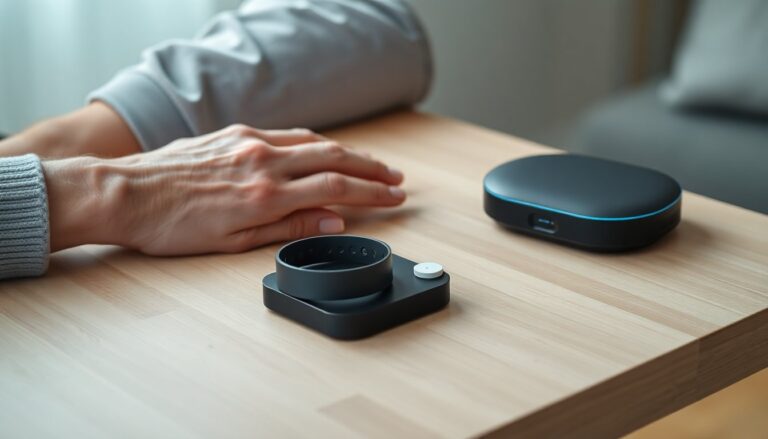
Devices can be worn like a patch, carried as a bracelet, or implanted beneath the skin. They measure things such as pulmonary‑artery pressure, thoracic impedance, heart‑rate variability, respiratory rate, weight and activity trends. Those streams feed machine‑learning models that estimate an individual’s near‑term risk and generate a clinically interpretable alert.
Crucially, the tech is only one half of the story. The other half is the human layer: staffed monitoring services, clear escalation rules and prompt clinician review. When an alert arrives, a nurse or cardiologist can decide whether a medication adjustment, an extra clinic check or a fast outpatient appointment is the best response. Systems that combine automated detection with timely human judgement tend to produce the best outcomes.
Evidence so far
A growing body of randomized trials and observational studies supports remote haemodynamic monitoring as a complement to standard care. Trials of implantable pulmonary‑artery pressure sensors and studies of multi‑parameter wearable platforms have shown reductions in rehospitalisation and shorter inpatient stays for selected patient groups. Meta‑analyses echo a common theme: earlier physiological detection often correlates with fewer emergency admissions.
That said, results aren’t uniform. Devices vary, alert thresholds differ and clinical responses are not standardized, which complicates direct comparisons. Real‑world effectiveness also depends on adherence, device tolerance and equitable access to follow‑up care—factors that can make or break impact outside controlled trials.
How it works in practice
Effective programmes favor transparency and interpretability. Instead of opaque “black box” scores, clinicians need clear, explainable outputs that link specific biomarker trends to a likely cause. A practical example: a rising pulmonary‑artery pressure combined with weight gain and reduced activity might trigger a diuretic review; an isolated change in heart‑rate variability could prompt remote education and symptom monitoring.
Routine workflows matter. Defined roles (who reviews alerts, who calls patients, who prescribes changes), documented escalation pathways and service-level expectations for response time ensure alerts lead to timely care rather than alarm fatigue. Training monitoring teams to interpret patterns and communicate with patients builds trust and improves adherence.
Practical and ethical hurdles
Scaling these systems raises multiple challenges. Interoperability with electronic health records, robust data governance, and funding models that reimburse remote-care work are practical necessities. Ethically, continuous monitoring prompts tough questions: how to obtain truly informed consent for long-term data collection, how to prevent algorithmic bias, and how liability is shared when automated alerts influence clinical decisions. Independent validation, transparent performance reporting and patient representation in governance structures are essential to address these risks.
Keyphrases to use naturally: remote monitoring for heart failure; implantable sensors and wearables; early detection of heart failure deterioration; remote haemodynamic monitoring0
Keyphrases to use naturally: remote monitoring for heart failure; implantable sensors and wearables; early detection of heart failure deterioration; remote haemodynamic monitoring1
Keyphrases to use naturally: remote monitoring for heart failure; implantable sensors and wearables; early detection of heart failure deterioration; remote haemodynamic monitoring2
Keyphrases to use naturally: remote monitoring for heart failure; implantable sensors and wearables; early detection of heart failure deterioration; remote haemodynamic monitoring3