A practical and culturally aware guide to training, recovery, and the evolving world of sport
Sport — a complete guide
By Giulia Lifestyle
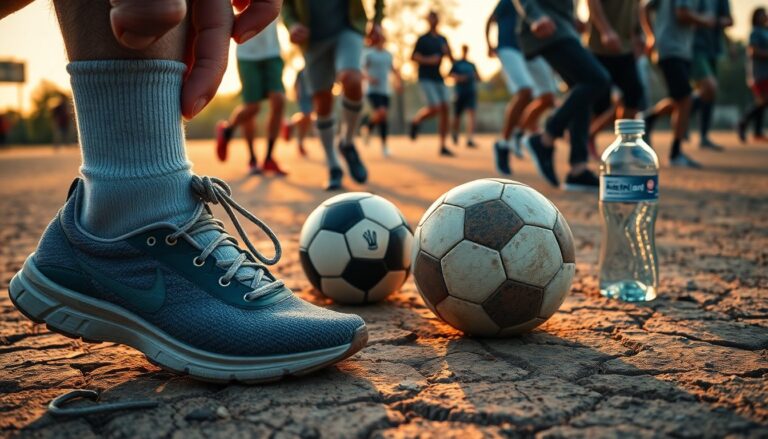
Sport moves beyond scores and podiums. From pickup games on sunbaked fields in Lagos to carefully curated classes in Milan, physical activity shapes how communities connect, how people see themselves, and how societies prioritize health.
Regular movement lowers the risk of chronic illness, supports mental well‑being and creates social ties. Whether you play competitively, exercise on weekends, or are simply finding your way back to being active, sport is now a strategic tool for building healthier, more connected lives.
Why sport matters today
Sport influences culture, policy and everyday life. When people take part—whether through grassroots clubs, school programs or casual meetups—movement becomes part of local identity, opens doors for social interaction and nudges governments and institutions to invest in public health and inclusion.
As participation becomes more diverse and accessible, sport is increasingly used to promote education, community cohesion and equal opportunity.
Train smart: build a routine that lasts
Effective training balances immediate effort with long‑term durability. The goal is steady improvement without burnout or injury. No matter your level—recreational, competitive, or simply consistency‑minded—three pillars will keep you on track: sensible volume, varied intensity and deliberate recovery.
A simple training blueprint
First, decide what you want: greater endurance, more strength, improved mobility, or sharper skills. Structure your weeks around that objective, pairing demanding sessions with lighter ones and planning progressive overload so you improve gradually. Combine compound lifts, intervals and sport‑specific drills to develop multiple capacities simultaneously. Every few weeks, drop the load for a recovery block to let gains consolidate and prevent chronic fatigue.
How to structure a week
A practical template to adapt: two strength sessions, one mobility or technique session, and one cardiovascular workout relevant to your sport. Stagger heavy resistance days with mobility or skill work to preserve movement quality. Track workload with simple metrics—session time, perceived exertion (RPE), or heart‑rate zones—and make small, consistent tweaks. Those tiny adjustments add up into measurable progress over months.
Advice from coaches who get results
Consistency beats sporadic intensity. Sleep, nutrition and daily habits influence outcomes just as much as gym sessions. Schedule regular check‑ins—every two weeks, for example—to reassess load, technique and recovery. Use both objective measures (timed tests, lifts, heart rate) and subjective gauges (how you feel, energy levels) to decide when to push or back off. Tech can help, but basic tracking is often enough.
Nutrition and recovery: where progress happens
Training creates the stimulus; nutrition and recovery create the adaptation. What, when and how consistently you eat—together with sleep and active recovery—determines how effectively your body rebuilds and improves. Fueling and rest aren’t optional if you want steady, sustainable gains.
Nutrition basics
Prioritize whole foods and balance your macronutrients. Carbohydrates restore glycogen for repeated intense efforts; protein supports muscle repair and is more effective when consumed evenly through the day; healthy fats support hormone function and nutrient absorption. Don’t underestimate hydration—mild dehydration can reduce performance and slow recovery. A post‑workout snack combining carbs and protein helps replenish stores and reduce next‑day soreness.
Supplements worth considering
Fads come and go, but some supplements have robust evidence. Creatine enhances strength and power for many people, vitamin D matters if you’re deficient, and omega‑3s support inflammation control and cardiovascular health. Talk to a healthcare professional before starting supplements to confirm need, dose and safety.
Active recovery as purposeful practice
Treat recovery like part of your program. Sleep is the primary engine of adaptation—protect it. Plan deload weeks to reduce injury risk and use tools like massage, foam rolling or contrast baths when they help you feel better. Monitor perceived readiness, RPE, and sleep duration; let those signals inform your weekly plan.
Why sport matters today
Sport influences culture, policy and everyday life. When people take part—whether through grassroots clubs, school programs or casual meetups—movement becomes part of local identity, opens doors for social interaction and nudges governments and institutions to invest in public health and inclusion. As participation becomes more diverse and accessible, sport is increasingly used to promote education, community cohesion and equal opportunity.0