

A clear summary of the Manchester Central Mosque incident, the volunteer response, and calls for unity against hate
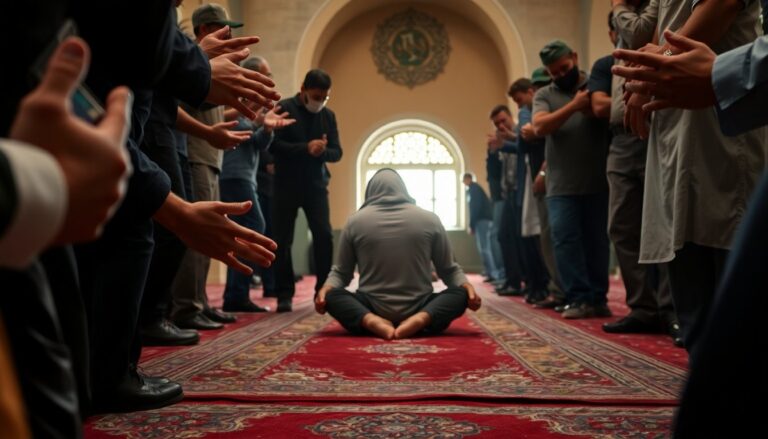
An evening prayer at Manchester Central Mosque was shattered when a lone intruder walked into the Taraweeh service armed with several weapons. Volunteers and worshippers acted quickly: they disarmed and restrained the person, called police, and handed the suspect over to officers on arrival.
No one was physically hurt.
What happened and how people reacted
Witnesses say the individual entered the prayer hall during Taraweeh and moved among the congregants before volunteers intervened. Those on duty — who normally greet visitors and manage access — shifted instantly into a crisis role, using words and physical containment to stop the situation from escalating.
Police secured the scene and detained the suspect; authorities have not yet released details on motive or charges. Community leaders praised the volunteers’ swift action for preventing injuries and allowing law enforcement to take over smoothly.
Strengths and strains of the response
The response had clear strengths.
The immediate presence of volunteers who knew the building and its patterns of worship helped limit the incident’s scope. Predefined roles, even if informal, and simple communication channels accelerated the handover to police. Benchmarks from similar incidents suggest on-site containment plus rapid notification of authorities greatly reduces the risk of serious harm.
But there are trade-offs. Relying on volunteers to confront someone carrying weapons places a heavy moral and physical burden on congregants. The event also exposed gaps in perimeter control and the vulnerability of late entrants, and it may leave witnesses facing secondary trauma. Formal training, clearer entry protocols and modest security upgrades could reduce these risks while keeping the mosque welcoming.
Practical, low-intrusion safety measures
Places of worship can boost safety without losing their communal character. Practical steps that balance openness with protection include:
- – Clear visitor protocols and visible volunteer roles so everyone knows who to turn to.
- Controlled entry points and discreet CCTV to deter opportunistic threats.
- Basic first-aid and de-escalation training for volunteers, plus regular drills.
- Simple, rapid reporting channels to local police and a designated handoff point for arriving officers.
These measures are low-cost and, when practiced, build confidence across congregations. Regular exercises and formal liaison arrangements with local authorities also shorten response times and reduce confusion during emergencies.
Broader context: a worrying pattern
The mosque incident is not isolated. Community groups and monitoring organisations report a sustained uptick in threats and attacks against religious minorities, with anti-Muslim hostility featuring prominently in many regions. That pattern has prompted calls for coordinated prevention strategies, better information sharing and targeted funding for community safety programs. Agencies and civic organisations are reviewing how best to support vulnerable sites without turning them into fortresses.
Volunteer teams as first responders
At many faith sites, volunteers are the first line of defense. Their advantages are obvious: local knowledge, familiarity with worship schedules and immediate availability. The downside is inconsistency in training and the legal exposure that comes with physical intervention. Simple formalization — two-person containment rules, standardized escalation steps (assess, contain, hand off), and liability guidance — can make volunteer responses safer and more reliable.
Training and technology: a combined approach
Safety work increasingly blends human presence with technology. Encrypted messaging, low-bandwidth reporting tools and privacy-preserving analytics can help spot trends and route alerts without exposing individuals. Yet technology alone cannot replace people on the ground; combined human-tech approaches typically resolve incidents faster than either option in isolation. Community groups, local councils and nonprofits now offer a range of training programs and tools, but uptake varies because of cost, legal concerns and cultural fit.
Community mobilisation and public solidarity
When these incidents occur, communities often respond with solidarity campaigns, legal support and public demonstrations. Such actions can provide moral comfort, attract attention to the issue and pressure authorities to act. They must, however, be carefully organised. Verified information, liaison with police and legal advisers, and clear safety planning reduce the risks that demonstrations themselves become flashpoints. Organisers of the “Together against the Far Right” demonstration (scheduled for Saturday 28 March) have emphasised lawful, non-violent participation and clear assembly points.
What happened and how people reacted
Witnesses say the individual entered the prayer hall during Taraweeh and moved among the congregants before volunteers intervened. Those on duty — who normally greet visitors and manage access — shifted instantly into a crisis role, using words and physical containment to stop the situation from escalating. Police secured the scene and detained the suspect; authorities have not yet released details on motive or charges. Community leaders praised the volunteers’ swift action for preventing injuries and allowing law enforcement to take over smoothly.0
What happened and how people reacted
Witnesses say the individual entered the prayer hall during Taraweeh and moved among the congregants before volunteers intervened. Those on duty — who normally greet visitors and manage access — shifted instantly into a crisis role, using words and physical containment to stop the situation from escalating. Police secured the scene and detained the suspect; authorities have not yet released details on motive or charges. Community leaders praised the volunteers’ swift action for preventing injuries and allowing law enforcement to take over smoothly.1
What happened and how people reacted
Witnesses say the individual entered the prayer hall during Taraweeh and moved among the congregants before volunteers intervened. Those on duty — who normally greet visitors and manage access — shifted instantly into a crisis role, using words and physical containment to stop the situation from escalating. Police secured the scene and detained the suspect; authorities have not yet released details on motive or charges. Community leaders praised the volunteers’ swift action for preventing injuries and allowing law enforcement to take over smoothly.2
What happened and how people reacted
Witnesses say the individual entered the prayer hall during Taraweeh and moved among the congregants before volunteers intervened. Those on duty — who normally greet visitors and manage access — shifted instantly into a crisis role, using words and physical containment to stop the situation from escalating. Police secured the scene and detained the suspect; authorities have not yet released details on motive or charges. Community leaders praised the volunteers’ swift action for preventing injuries and allowing law enforcement to take over smoothly.3
What happened and how people reacted
Witnesses say the individual entered the prayer hall during Taraweeh and moved among the congregants before volunteers intervened. Those on duty — who normally greet visitors and manage access — shifted instantly into a crisis role, using words and physical containment to stop the situation from escalating. Police secured the scene and detained the suspect; authorities have not yet released details on motive or charges. Community leaders praised the volunteers’ swift action for preventing injuries and allowing law enforcement to take over smoothly.4
What happened and how people reacted
Witnesses say the individual entered the prayer hall during Taraweeh and moved among the congregants before volunteers intervened. Those on duty — who normally greet visitors and manage access — shifted instantly into a crisis role, using words and physical containment to stop the situation from escalating. Police secured the scene and detained the suspect; authorities have not yet released details on motive or charges. Community leaders praised the volunteers’ swift action for preventing injuries and allowing law enforcement to take over smoothly.5
