Remote monitoring promises earlier detection and continuous care for chronic conditions, with evidence from recent peer-reviewed studies and real-world data
How remote monitoring is changing chronic disease care
1. The clinical gap: why current care falls short
Chronic conditions—heart failure, diabetes, COPD—still drive most long-term illness and health‑care use. For many patients, care comes in short, infrequent snapshots: scheduled clinic visits that can miss the slow slide into trouble.
Those unseen declines mean more emergency visits, avoidable hospital stays and a poorer daily life for patients.
Remote monitoring addresses that blind spot. By tracking symptoms and biomarkers continuously, it can catch early warning signs and create opportunities for timely, proactive treatment rather than last‑minute crisis management.
2. Why this matters now
Health systems are juggling rising demand, tight budgets and a patient population that expects convenient, tech‑savvy care. At the same time, a growing body of trials and systematic reviews suggests that earlier detection of deterioration—paired with a defined clinical response—can lower readmissions and improve patient‑reported outcomes.
Together, these pressures and the accumulating evidence make a strong case for moving selected chronic care models from episodic visits to continuous, data‑driven management.
3. What patients need
From the patient’s viewpoint, continuous monitoring offers real reassurance. Knowing that symptoms and key measures are being tracked between appointments can reduce anxiety and help people manage their conditions day‑to‑day. Remote data can also support tailored medication changes and prompt earlier contact with clinicians when needed. The benefit is clearest for those at high risk of acute events or on complex drug regimens, where small changes matter.
4. The technology: connected sensing and care pathways
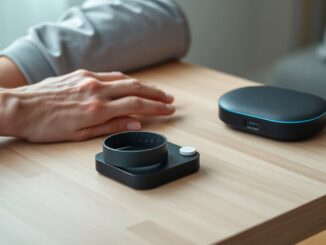
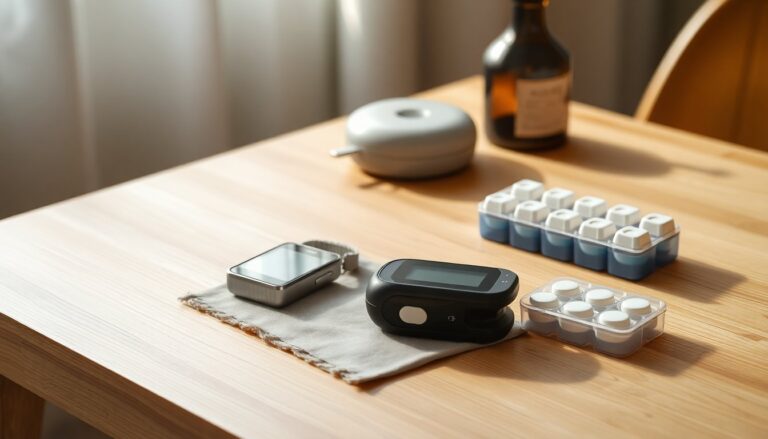
The practical setup links wearables, home devices and smartphone apps to clinical platforms. These devices measure physiological signals—heart rate variability, oxygen saturation, glucose levels—and send encrypted data to clinicians. Platforms flag predefined thresholds, trigger alerts and, in the best systems, integrate with electronic health records and triage tools.
When designed well, continuous streams let care teams intervene sooner and reduce the need for routine in‑person visits. Thoughtful integration—interoperability, algorithms tuned to individual baselines and workflows that assign clear responsibilities—also helps reduce alarm fatigue. But technology is not a silver bullet: real‑world use reveals challenges in device adherence, data quality and fair access that must be addressed for benefits to reach everyone.
5. What the evidence says
Randomized trials and meta‑analyses show promising signals. For example, trials in heart failure have reported fewer rehospitalizations with structured telemonitoring or implantable sensors when those programs included a plan for clinician response. Systematic reviews in high‑profile journals and registries confirm that monitoring yields the best results when it is embedded in a care pathway staffed by trained teams and coupled with equitable access policies.
By contrast, passive data collection without integrated clinical workflows produces little measurable benefit. The takeaway is clear: technology yields value only when paired with evidence‑based operational design.
6. Implications for patients and health systems
For patients: continuous monitoring can mean earlier outpatient interventions, fewer emergencies and more confidence in daily self‑care. It can deliver personalized feedback, targeted education and greater agency—but only if privacy, consent and equity are protected. Without explicit safeguards, algorithmic bias and unequal device access risk widening disparities.
For health systems: remote monitoring can reduce costs tied to admissions and create more efficient care pathways. However, realizing those savings requires up‑front investment in interoperable IT, clinician training and sustainable reimbursement models. Regulators (FDA, EMA) are increasingly asking for robust validation, transparent algorithms and ongoing post‑market surveillance.
Remote monitoring addresses that blind spot. By tracking symptoms and biomarkers continuously, it can catch early warning signs and create opportunities for timely, proactive treatment rather than last‑minute crisis management.0
Remote monitoring addresses that blind spot. By tracking symptoms and biomarkers continuously, it can catch early warning signs and create opportunities for timely, proactive treatment rather than last‑minute crisis management.1
Remote monitoring addresses that blind spot. By tracking symptoms and biomarkers continuously, it can catch early warning signs and create opportunities for timely, proactive treatment rather than last‑minute crisis management.2
Remote monitoring addresses that blind spot. By tracking symptoms and biomarkers continuously, it can catch early warning signs and create opportunities for timely, proactive treatment rather than last‑minute crisis management.3