A clear, frank and useful guide to England that skips clichés and gives the practical facts you actually need
Topics covered
- why England is not just London (and why that matters)
- Economy and cost: the uncomfortable numbers
- culture and identity: more complex than the stereotypes
- transport: efficient but plan for disruption
- safety and practicalities
- a contrarian take: what mainstream guides won’t tell you
- Practical itinerary suggestions
- final analysis: what to expect in 2026
- conclusion that nudges you to think
- invitation to critical thought
England: a clear guide without the fluff
England travel guide: Let’s tell the truth: many travel guides sell a postcard version of England — tea, fog and castles — and omit the practical realities. The reality is less politically correct: this guide explains what works, what frustrates, and what to plan for if you value time, money and authentic experiences.
why England is not just London (and why that matters)
England tips: The focus on London is understandable but misleading. Economic activity and population are heavily concentrated in London and the southeast, while northern and rural areas present lower prices, different rhythms and greater access to open space.
Pack accordingly.
the core point
The emperor has no clothes, and I’m telling you: treating England as a single destination will waste time and money. London offers culture, transport links and jobs. Outside London, realities change quickly.
Hard facts you should know
Let’s tell the truth: England’s population stands at 56 million. London concentrates a disproportionate share of finance, media and tourism. That concentration pushes up housing, transport and service costs in the capital. Public services such as the NHS remain high quality in many areas. Waiting lists and regional variation are nevertheless measurable. Plan for delays when scheduling medical appointments.
Economy and cost: the uncomfortable numbers
The emperor has no clothes, and I’m telling you: living and travelling in England is not cheap. Accommodation and transport in London typically take the largest share of any budget. Outside the capital, prices generally fall. Wages and the availability of services fall too. That mismatch matters for short stays and relocations alike.
Budget planners should be explicit about priorities. Choose a permanent base outside central London if you value lower rent and slower-paced costs. Book long-distance rail and intercity coach tickets in advance to save sharply. Consider regional transport passes and student or youth railcards where eligible. Eat at local markets and independent cafes to avoid premium tourist pricing.
Regional differences are not anecdotal. Housing supply, hourly wages and service speed vary across counties and cities. Northern and rural areas often offer better value but fewer specialist services. Urban centres outside London can be more affordable but still present pockets of high cost.
Practical rule: allocate the biggest share of your short-term budget to accommodation and transport, then to health contingency and situational expenses. Expect slower access to specialist care and some public services outside major urban hubs. The reality is less picturesque than the postcards, and that matters when you plan your time and money.
tourism realities
Let’s tell the truth: the reality is less picturesque than the postcards, and that matters when you plan your time and money.
Visitor hotspots such as Stonehenge, Bath and the Lake District fill up during peak season. Arrive then and you will face queues and crowded viewpoints. For a more authentic experience, travel in shoulder seasons and explore lesser-known counties. Smaller towns often offer the same charm with fewer people and lower prices.
Think strategically: shift mornings to local markets, afternoons to neighbourhood walks, and reserve busy sites for late afternoons. If a place looks overly touristic, try villages or industrial-heritage towns an hour away. You will find similar architecture, food and atmosphere with less congestion. Don’t waste three days in a packed tourist town when an hour down the road offers the same charm with half the people.
culture and identity: more complex than the stereotypes
The emperor has no clothes, and I’m telling you: the popular image of “proper Englishness” is incomplete. England history is layered, from Roman ruins to medieval cathedrals, from industrial sites to contemporary multicultural cities.
Urban centres are sites of ongoing cultural fusion. Expect surprising food scenes, flourishing arts and pockets of radical innovation. Markets and late-night food stalls sit beside traditional pubs. Museums curate both imperial history and immigrant stories. This mix reshapes local identity as much as tourist narratives do.
language and manners
English is spoken everywhere, but accents and local expressions can be thick. Politeness matters: say thank you, queue patiently and keep conversation tone neutral in formal settings.
So I know it’s not popular to say, but learning a few local phrases and listening closely will ease daily life. A polite opener, a smile and a respectful attitude often open doors faster than superior knowledge of attractions.
Practical tip: download an offline map and a phrase list before you go. You will save time and avoid small misunderstandings, especially in areas with strong regional accents.
transport: efficient but plan for disruption
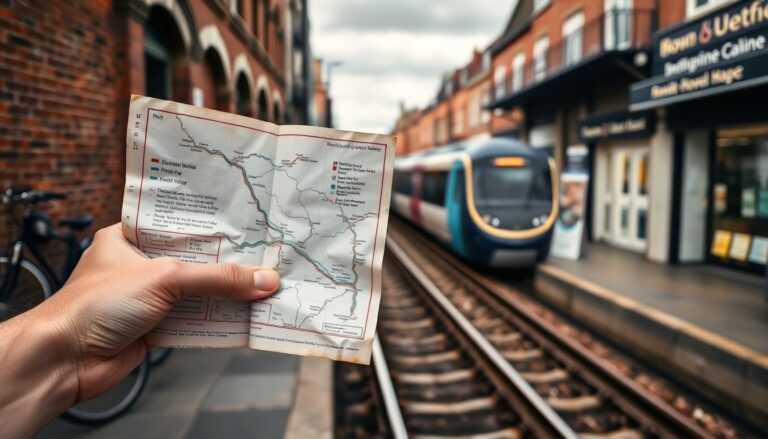
Let’s tell the truth: rail connections cover most of the country and are often the fastest option between cities. Timetables are frequent on main routes, but strikes and engineering works remain recurring disruptions. Always check real-time schedules before you travel. Buy flexible or refundable tickets if your itinerary is tight. Allow at least 30–60 minutes of buffer for key connections on complex journeys.
Driving provides flexibility in rural areas and for off‑the‑beaten‑path sites. Expect narrow lanes, limited parking, and occasional congestion near popular attractions. If you plan to drive, carry a printed route or an offline map in locations with weak signal. Factor in additional time for fuel stops and slower single-carriageway roads.
safety and practicalities
The emperor has no clothes, and I’m telling you: safety is not a guarantee anywhere, so basic precautions matter. England is generally safe for travelers. Pickpocketing and petty theft occur in crowded tourist areas and on busy public transport. Keep valuables secure and remain alert in high-traffic locations.
Healthcare standards are high. Emergency care is available to visitors, but non‑residents should expect charges outside emergency treatment. Carry comprehensive travel insurance that covers medical evacuation and repatriation. Keep a copy of your policy and emergency contacts with you.
Practical details reduce friction. Carry a contactless payment card and some cash for small rural shops. Learn basic local customs and common phrases relevant to transport and hospitality to avoid misunderstandings, especially in areas with strong regional accents. Expect longer opening hours in cities and more limited services on Sundays and public holidays.
a contrarian take: what mainstream guides won’t tell you
Let’s tell the truth: mass tourism has hollowed out some heritage towns across the country. Local life endures, but the visitor economy often privileges experiences over residents. Expect a different atmosphere once you leave main squares and guided routes.
The emperor has no clothes, and I’m telling you: if you want a meaningful visit, spend where locals spend. Favor independent pubs, family-run B&Bs and community-run attractions. That approach directs money to residents and preserves everyday life.
data and inconvenient truths
Studies and surveys document regional inequality, strained public services and the seasonal pressure tourism creates in small communities. These patterns reduce local resilience and raise living costs for residents.
Ignoring these facts makes your trip shallower and contributes to the problem. Choose lower-impact options and off-peak travel to lower pressure on services and spread economic benefits more evenly.
Practical itinerary suggestions
Choose lower-impact options and off-peak travel to lower pressure on services and spread economic benefits more evenly. If you have limited time, focus on a single region to reduce travel time and deepen the experience.
- Southeast (London + day trips): best for first-timers seeking iconic sites and major museums. Stay central to save transit time and book timed-entry attractions where possible.
- Southwest (Bath + Cornwall): coast, countryside and historic towns. Expect variable weather; bring sturdy footwear and allow extra time for narrow coastal roads.
- North (Manchester + Lake District): culture, industrial heritage and dramatic landscapes. Combine one city day with slower countryside days to balance crowds and logistics.
Tip: mix a full city day with two or three slower rural days to balance sensory load and local engagement. Prioritise one paid attraction per day to avoid rushed itineraries.
final analysis: what to expect in 2026
Let’s tell the truth: the tourism picture will remain uneven across regions. Some destinations will continue to struggle with overtourism, while others will see underinvestment in visitor services.
Expect the sector to adapt along three clear lines. First, sustainability will move from marketing to operations as businesses face regulation and consumer pressure. Second, visitors will demand more authentic, local experiences rather than staged attractions. Third, public services will evolve unevenly, with urban centres often better equipped than rural areas.
Travel smarter by prioritising time, choosing off-peak visits and supporting local enterprises that reinvest in place. Small choices—timed tickets, local guides, lower-impact transport—help distribute economic benefits and reduce strain on services.
The emperor has no clothes, and I’m telling you: glossy guidebooks still sell fantasies. Real value now goes to travellers who accept slower rhythms and pay for quality stewardship of places.
Practical expectations: expect continued regional disparities, incremental regulatory change in tourism operations and growing emphasis on sustainable credentials among reputable providers.
Look for developments in service provision and regulation that will further shape visitor experiences through 2026.
conclusion that nudges you to think
England tips in brief: budget for higher costs in the southeast. Expect constrained public services in peak hotspots. Choose less obvious destinations for space and better value. Prioritise spending that supports local economies and essential services rather than image-driven consumption. Aim for a visit that leaves a positive footprint, not only a collection of photos.
invitation to critical thought
Let’s tell the truth: travel can sustain local culture or hollow it out. The emperor has no clothes, and I’m telling you: decisions by visitors shape communities more than guidebooks. So ask, before you book, who benefits from this trip. Responsible choices redistribute economic gains and reduce pressure on fragile services.
Look for developments in service provision and regulation that will further shape visitor experiences through 2026.
Focus keywords: England travel guide, England history, England tips