An explosion in Tehran after Israel announced a 'preventative attack' highlights rising tensions, diplomatic pressure, and U.S. concerns about Iran's nuclear activities
Topics covered
Explosion reported in Tehran as regional tensions rise
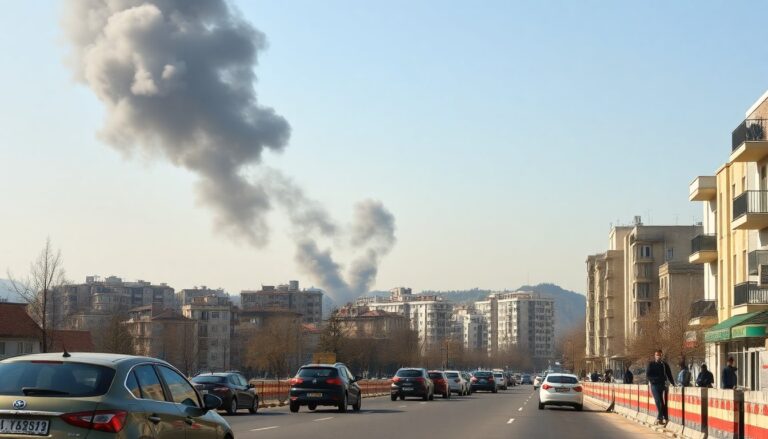
An explosion was reported in Tehran shortly after Israeli officials said they had carried out a preventative attack. The timing heightened an already tense diplomatic and security environment.
U.S. statements questioning Iran’s nuclear intentions and directives to reduce embassy staff in parts of the region preceded the incident.
Observers described the episode as part of a broader pattern of military signaling and diplomatic pressure.
Former President Donald Trump publicly said he was “not happy” with ongoing nuclear talks, while media reports pointed to contingency plans and evacuations. Officials and commentators linked those statements to both immediate security concerns and longer-term strategic competition over Iran’s nuclear program and regional posture.
From a regulatory standpoint, diplomatic directives affect consular operations and staff safety. The Authority has established that states may lawfully reconfigure missions when security risks rise. Compliance risk is real: missions and contractors must follow host-state rules and their own duty-of-care obligations.
This is the opening of a developing story.
What happened in Tehran and what was claimed
Local witnesses and media reported an explosion in Tehran after Israeli officials described the operation as a preventative military action. The phrasing suggests an intent to disrupt perceived threats before they materialize rather than to respond to an immediate attack. Accounts varied on the scale and precise target, producing a fluid information environment.
Independent verification of the strike’s target remained limited. International agencies and open-source analysts urged caution while they sought corroborating evidence. From a regulatory standpoint, transparency from the parties involved is crucial to allow independent monitoring and to reduce the risk of miscalculation. The Authority has established that timely, verifiable reporting matters in such incidents. Compliance risk is real: unclear information can escalate diplomatic and security responses and complicate legal assessments under international humanitarian law.
Immediate reactions and public messaging
Following the earlier uncertainty, regional capitals and international actors issued statements within hours. The U.S. voiced concern, citing intelligence and high-level assessments that suggested Tehran may be seeking to restore or advance elements of a nuclear weapons capability.
Israel framed the operation as necessary to prevent future threats and to protect its security. Those competing narratives highlight how information operations and public diplomacy shape perceptions during crises.
From a regulatory standpoint, rapid public messaging can complicate legal assessments under international humanitarian law and state practice. The Authority has established that timing and content of official statements affect both domestic accountability and international responses.
Analysts and diplomats said the messaging surge is likely to harden positions and prompt follow-up actions, including intelligence-sharing, formal protests and requests for independent verification. Expect further diplomatic exchanges and calls for transparent investigation in the coming days.
Diplomatic context: talks, ultimatums and embassy moves
Expect further diplomatic exchanges and calls for transparent investigation in the coming days. U.S. and allied delegations have pressed for clearer limits on Tehran’s nuclear activities while interlocutors in the region sought calibrated responses. Officials described simultaneous pressure and engagement as the dominant approach: firm demands paired with continued diplomacy.
Governments also intensified contingency planning. Guidance to reduce embassy staff and prepare for possible evacuations was issued across several capitals. Those measures aim to protect personnel and to signal resolve without escalating military confrontation.
From a regulatory standpoint, established diplomatic protocols guide staff reductions and evacuation orders. The Authority has established that states must balance duty of care for personnel with obligations under international law. Compliance risk is real: failing to follow recognized procedures can expose missions to legal and reputational consequences.
The practical effect is twofold. First, nonkinetic steps create space for negotiations while reducing immediate vulnerability. Second, they serve as political signals to domestic audiences and foreign counterparts. Expect routine diplomatic channels to remain active alongside intensified public messaging from capitals and regional organizations.
Analysts say close coordination among allies will shape the next phase of responses. Monitoring of further statements, investigative findings and diplomatic traffic will indicate whether tension de-escalates or whether additional coercive measures take precedence.
Political signals and broader strategy
Continuing from ongoing diplomatic traffic, public statements by senior figures intensified perceptions of crisis. These remarks added a domestic political layer to international negotiations. They increased pressure on envoys and shaped media narratives across capitals.
Comments by a major former leader signalled clear dissatisfaction with the talks. Such interventions can alter negotiators’ room for manoeuvre. They also affect how publics in involved countries view compromise and escalation.
Simultaneous reports of military activity and intelligence assessments indicate that states are deploying both coercive and diplomatic tools at once. The interplay suggests a strategy that mixes deterrence and negotiation rather than relying on a single approach.
From a regulatory standpoint, political rhetoric can complicate compliance with international mechanisms and oversight. Compliance risk is real: divergent domestic pressures can produce inconsistent positions on sanctions, inspections and transparency.
The Authority has established that transparency in investigative findings and clear diplomatic channels remain essential to de-escalation. Continued monitoring of public commentary, operational moves and formal diplomatic exchanges will determine whether negotiations regain momentum or whether pressure tactics prevail.
Possible implications and next steps
Analysts and intelligence officials say the reported explosion in Tehran could trigger cascading effects. In the immediate term, the primary risks are miscalculation, escalation and spillover into neighboring states.
Operational moves, public statements and diplomatic exchanges will shape the course of events. International actors with de‑escalation interests are expected to urge restraint. Intelligence assessments will seek to determine whether the incident was an isolated interdiction, part of coordinated operations, or an element of a broader campaign.
From a regulatory standpoint, the episode could complicate existing frameworks for arms control and non‑proliferation. The Authority has established that disruptions to nuclear-related sites tend to slow or stall technical dialogue. That dynamic may impede nuclear diplomacy and lengthen negotiation timelines.
Medium-term risks include an uptick in sanctions or countermeasures by affected states. Compliance risk is real: states under pressure may pursue asymmetric responses or harden their positions. Multilateral bodies and regional partners will likely intensify monitoring and verification efforts.
What companies and international organisations should expect is increased scrutiny of supply chains and logistics tied to sensitive technologies. Practical steps include tightening export controls, enhancing due diligence and coordinating information sharing among allies.
Intelligence communities will continue to refine assessments. The next developments to watch are further operational disclosures, official responses from Tehran and neighboring capitals, and any formal moves in diplomatic channels.
Monitoring and verification challenges
Independent confirmation of events remains scarce and often contradictory. Open-source footage, official statements and local reporting can produce divergent accounts within hours. Deliberate messaging campaigns further complicate objective assessment.
Reliable assessment requires verification by trusted institutions and cross-checked evidence. Independent verification should include source authentication, geolocation, metadata analysis and corroboration by multiple outlets. From a regulatory standpoint, documented verification supports any subsequent legal or diplomatic measures.
The Authority has established that clear, attributable evidence is necessary before states pursue coercive or judicial responses. Compliance risk is real: premature attribution can trigger miscalculation and hamper diplomatic channels.
Observers will watch for further operational disclosures, formal responses from regional capitals and any moves within diplomatic fora. Careful analysis and calibrated responses remain essential to reduce the risk of escalation.
Tehran explosion and regional implications
Careful analysis and calibrated responses remain essential to reduce the risk of escalation. The reported explosion following Israel’s announced “preventative attack” underscores the fluidity of military and diplomatic interactions in the region.
Who: state actors and international organisations are central to verification, messaging and response. What: an incident with limited independent confirmation has prompted competing official accounts and open-source scrutiny. Where: Tehran is the reported locus of the event. Why: the episode reflects broader security calculations and signalling between adversaries.
From a regulatory standpoint, the episode raises immediate questions about compliance with rules governing cross-border military activity and sanctions enforcement. The Authority has established that states must observe legal obligations even amid heightened tensions. Compliance risk is real: misattribution, rushed policy measures or unilateral economic steps can trigger secondary effects for private firms and financial institutions.
Practical implications for companies include tightened due diligence on supply chains, heightened scrutiny of transactions involving sanctioned entities, and increased demands for secure information sharing with public authorities. Firms operating in the region should review contingency plans and legal exposure under relevant sanctions and export-control regimes.
Policymakers and multilateral bodies will be watching for independent verification, official clarifications and proportional diplomatic steps. Continued transparency in reporting and measured responses by states can reduce the chance of unintended escalation and limit economic and humanitarian spillovers.
The next phase will likely involve further open-source analysis, intelligence assessments and legal reviews by national authorities. Expect iterative updates rather than definitive answers as investigators reconcile competing accounts and as governments calibrate policy measures.