Taste the uk: from coastal oysters to urban fermentations, a sensory guide to British food and the people who sustain it
Topics covered
- Behind every dish: stories stitched to land and sea
- Technique made accessible: how dishes are built
- technique made accessible: how dishes are built
- Filiera corta and sustainability: choosing with purpose
- Regional highlights: a quick culinary map
- Food scenes to experience
- Practical travel and tasting advice
- Sources and further reading
- An invitation
- how to travel and taste with purpose
UK: a sensory guide to food, place and people
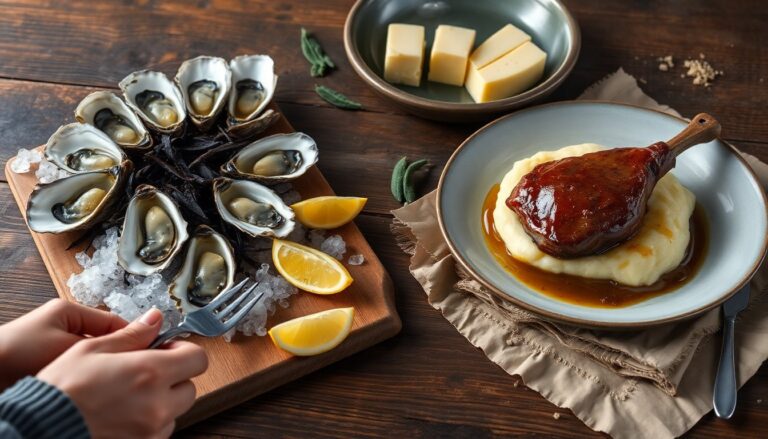
UK cuisine unfolds as a plate of contrasts. Briny oysters from Cornwall sit beside the warm sheep fat of a Hebridean lamb chop. The umami depth of mature cheddar melts into a Sunday gravy.
The palate never lies… Listen to these flavours. Each carries a map, a season and a voice.
Behind every dish: stories stitched to land and sea
Behind every dish there’s a story… From the market gardens of Kent to the smoked-fish huts of Yorkshire, British food is rooted in terroir and craft.
Consider the Cornish pasty, once a miner’s portable meal, and multigenerational cheesemakers in Somerset who coax character from grass, climate and microbial life. These are not only recipes; they are cultural archives that record migration, trade and local resilience.
Technique made accessible: how dishes are built
technique made accessible: how dishes are built
The palate never lies. Behind every dish there’s a story of technique, seasonality and supply chains. As a chef I learned that flavours fall into three clear building blocks: fat, acid and umami. Each component plays a defined role in balance and memory on the plate.
Fat carries aroma and smoothness. Acid provides lift and contrast. Umami gives depth and lingering savour. Proper roasting concentrates sugars and intensifies umami in root vegetables. Low-and-slow braising breaks connective tissue and turns inexpensive cuts into silky textures.
practical technique and timing
– Roast roots to build caramel and concentrate flavour: start hot to brown, then lower the temperature to cook evenly.
– For roast meats: dry the surface, use high heat to sear, then finish at moderate oven temperature for uniform doneness.
– For creamier mashed potatoes: choose floury varieties, warm dairy before adding, and fold in butter at the end to preserve silkiness.
fermentation and preservation basics
Fermented products rely on predictable variables. Temperature control and salt ratio shape microbial outcomes. Aim for roughly 2–3% salt by weight to encourage desirable lactobacilli and limit spoilage. Consistent temperature yields steady fermentation and cleaner flavours.
tasting order and palate management
Structure tastings from mild to intense. Begin with soft, milky cheeses and progress to aged, pungent examples. Sip still water between samples to reset the palate. Small neutral bites, such as plain bread, also help clarify contrasts.
Behind every technique there is a traceable supply: the choice of tuber, the breed of animal, the method of preservation. Attention to filiera corta and terroir refines outcomes on the plate. The palate never lies—technique reveals both provenance and purpose.
Filiera corta and sustainability: choosing with purpose
The palate never lies; provenance speaks before a fork reaches the mouth. As chef I learned that quality begins outside the kitchen, at the farmgate and on the quay. Filiera corta, the short supply chain linking diner and producer, trims food miles and strengthens seasonality. It also supports traceability, biodiversity and local economies.
Look for vendors and retailers who name their suppliers and explain farming methods. Community-supported agriculture schemes, farmers’ markets and dedicated shop counters make supply chains visible. In the United Kingdom, movements aligned with Slow Food principles and recognised by guides such as Gambero Rosso and the Michelin Guide emphasise provenance and varietal diversity.
From a technical standpoint, shorter chains allow chefs to adjust menus rapidly to seasonal availability. That reduces waste and enhances flavour intensity. As a chef I learned that handling an ingredient close to harvest preserves texture and volatile aromatics. Proper cold chain management and minimal processing retain nutrients and accentuate terroir-driven characteristics.
Behind every dish there’s a story of stewardship. Producers who use regenerative practices, crop rotation and mixed-species planting contribute to soil health and climate resilience. Sourcing from those producers links the plate to a sustainable filiera and gives diners measurable assurance about environmental impact.
Regional highlights: a quick culinary map
Start with coastal areas where small-scale fisheries supply a variety of seasonal catches. Freshness amplifies umami and sea-spray notes, and simple preparations reveal texture and salinity. Move inland to pastoral valleys where grass-fed livestock and artisan cheesemakers preserve local breeds and traditional maturation techniques.
Upland regions often host heirloom grains and pulse varieties adapted to local microclimates. Milling and small-batch fermentations in those areas create distinct flavour profiles. Urban food hubs increasingly act as aggregation points for rural producers, offering chefs and consumers direct access to short-chain goods.
When mapping a responsible menu, prioritise producers with transparent practices and verifiable claims. Traceability statements, cooperative certifications and producer interviews provide the due diligence chefs need. The palate never lies, but informed sourcing makes what you taste ethically accountable.
The palate never lies. Behind every dish there’s a story of place, practice and people. As a chef I learned that taste first announces provenance, then history. England offers Kentish hops, orchard fruit and Norfolk salt marsh lamb. In the north a proper Sunday roast with Yorkshire pudding remains a marker of home cooking. In the southwest Cornish pasties speak of miners, portability and local pastry craft.
Scotland is defined by peat-smoked salmon, west coast shellfish and single malts that carry island terroir on the palate. The smoke, the brine and the barley each record landscape and weather. Producers and distillers still lean on age-old methods that inform modern tasting notes.
Wales contributes upland lamb, shoreline laverbread and artisanal cheeses. These products underline a short supply chain and a focus on terroir. Small-scale dairies and coastal foragers sustain a culinary identity rooted in place and season.
Northern Ireland combines soda bread and Ballycastle oysters with a renewed emphasis on vegetable growing and market gardening. The revival of kitchen gardens and hydroponic projects maps onto a wider move toward food resilience.
Food scenes to experience
London and Manchester host street food markets that blend global flavours with British seasonality. Chefs and vendors reinterpret local produce through international techniques. Coastal towns stage fish festivals where fishermen, fishmongers and chefs meet over the morning’s catch.
Rural pubs have evolved into custodians of culinary memory. Once simple alehouses, they now present offal recipes, pot roasts and fermented chutneys. Each plate can reveal strategies of preservation born from scarcity and ingenuity.
The palate never lies, but informed sourcing makes what you taste ethically accountable. Behind every dish there’s a story of craft, conservation and community. As a chef I learned that tracking those stories is as essential as mastering a recipe.
Practical travel and tasting advice
As a chef I learned that tracking those stories is as essential as mastering a recipe.
Plan visits around seasonal peaks to meet ingredients at their best. Seek oysters in autumn and winter when they are plump. Look for asparagus and new potatoes in late spring when textures are freshest.
Engage producers with precise questions. Ask about feed, grazing patterns and fermentation methods. These practices materially affect aroma and mouthfeel, and producers often welcome technical conversation.
Taste with context. Pair local cheese with local cider or ale to perceive how climate and practice shape terroir. Note texture, salt level and aftertaste; the palate never lies.
Sources and further reading
Begin with curated institutions that emphasise sustainability and quality. Consult Slow Food, Gambero Rosso and the Michelin Guide for vetted producers and restaurants. Use guidebooks as orientation, then prioritise markets and farms for direct observation.
When researching, prioritise primary encounters. Visit producers, watch processes and record specifics about supply chains and seasonal rhythms. Behind every dish there’s a story that reveals itself in provenance and practice.
An invitation
Approach tasting as fieldwork. Take notes, compare samples and return to the same producers across seasons to register change. As you deepen observation, you will better judge quality, trace sustainability and appreciate regional technique.
how to travel and taste with purpose
As you deepen observation, you will better judge quality, trace sustainability and appreciate regional technique. Move through markets and coastlines with attention. Let texture and aroma guide your decisions.
The palate never lies: taste for freshness, balance and umami to assess an ingredient’s provenance. Smells and mouthfeel reveal handling and age. Note bright acidity in a fish, the saline snap of coastal produce, or the buttery grain of a farmhouse cheese.
When speaking with producers, focus on concrete details. Ask about feed, grazing cycles and small-batch processes. Learn how seasonal rhythms shape yield and flavour. These specifics illuminate practices that matter for welfare and terroir.
Apply simple tests on the spot. Inspect flesh for firmness, rind for bloom, and leaves for vitality. Observe stall timing: early morning catches or late-afternoon cheese washes often indicate different supply chains. Small cues yield large insights.
practical steps for the mindful taster
Carry a compact notebook and a phone camera. Record names, places and short sensory notes. Map tastes to producers to recreate pairings at home. Prioritise visits to facilities that practice filiera corta and transparent animal care.
Choose slow purchases over impulse buys. A single, well-sourced ingredient teaches more than many anonymous items. Share small plates with locals to sample regional technique and preparation.
Behind every dish there’s a story. Trace that story to its origin and let it inform your plate and travel choices. Sustainable taste is both a technique and an ethic.