Iran launched a sequence of strikes on Gulf targets and US-linked sites after the killing of the supreme leader, prompting regional airspace closures, reports of casualties and a promise from leaders that the campaign could continue
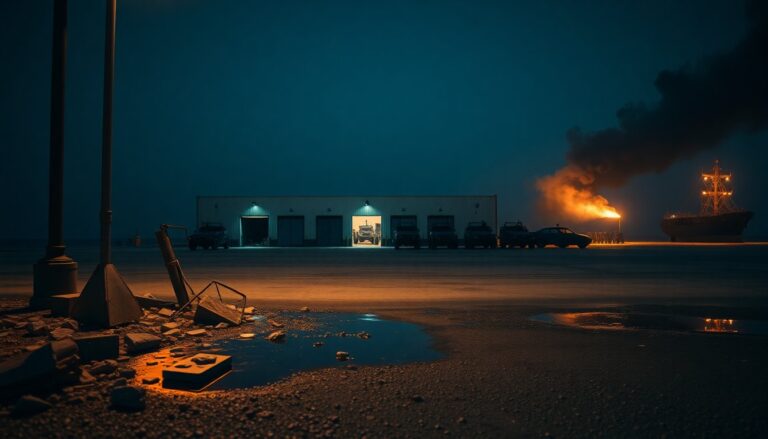
The Gulf erupted into a fast-moving crisis after Iran’s supreme leader was killed, setting off a cascade of strikes, interceptions and urgent diplomacy across the region.
According to officials, Iran launched a coordinated campaign that struck at sites in several Gulf Arab states known to host U.S.
military assets. The attacks blended missiles and drones; some were shot down, others reached their targets and sparked fires or inflicted localized damage. As the exchanges intensified, leaders traded uncompromising rhetoric: Tehran described its actions as defensive and vowed to press on until perceived threats were removed, while Washington warned it would continue operations until its objectives were met.
Several countries temporarily closed their airspace and activated air-defence systems amid fears the confrontation could expand.
Targets and immediate consequences
Reported strikes hit facilities in Bahrain, Kuwait, Qatar and the United Arab Emirates, with an emphasis on bases, logistics nodes and support sites tied to coalition forces.
Local air-defence units and allied interceptors intercepted many incoming projectiles, but those interceptions sometimes produced secondary explosions or fires that spread to nearby structures.
Authorities in the affected states reported structural damage and civilian harm. Abu Dhabi confirmed at least one civilian fatality, and Dubai recorded multiple injuries after a fire at a Palm Jumeirah building. U.S. Central Command said three U.S. service members were killed and five seriously wounded in an attack on a Kuwaiti facility. Disruptions were widespread: airspace closures and maritime advisories—especially around the Strait of Hormuz—forced airlines and shipping operators to reroute as a precaution.
Operational fallout and safeguards
Most strikes targeted military and support infrastructure. Commanders said many intercepts reduced the Medical evacuations took place where necessary, and force-protection measures across the region were heightened.
Civilian transport and commerce felt the strain—several commercial flights were diverted and shipping lanes adjusted in the northern Gulf. Officials framed many of the notices as precautionary, but warned that persistent hostilities would likely drive further disruption to aviation and maritime traffic.
From the ground
Video circulated showing a drone strike near the U.S. Fifth Fleet headquarters in Bahrain that ignited fires in adjacent residential and commercial buildings. Kuwaiti forces reported intercepting missiles aimed at Ali Al Salem Air Base, and Qatari authorities said early-warning radar sites and other installations repelled incoming threats.
Politics, rhetoric and diplomacy
Governments condemned the strikes for endangering civilians and critical infrastructure even as they urged restraint to prevent a wider conflagration. Military spokespeople raised alert levels and reiterated commitments to protect bases and nearby populations. International partners called for investigations and de-escalation, though reciprocal accusations fed fears of an escalating tit‑for‑tat spiral.
The Islamic Revolutionary Guard Corps said it had struck U.S. and Israeli targets across the region and warned operations would continue until it judged threats neutralized. Iran’s foreign ministry cast the strikes as self‑defence and expressed regret over civilian casualties. Meanwhile, U.S. leaders signalled they would maintain pressure—language analysts say increases the chance of a prolonged confrontation.
Broader regional implications
The exchanges sharpened concerns about a wider Middle Eastern conflagration. Some reports suggested strikes reached beyond the Gulf monarchies into parts of Iraq and Syria, striking pro‑Iranian groups and mixed-security sites. Iraqi officials confirmed attacks on bases and paramilitary locations; Syrian state media linked a missile blast in Suwayda to the broader volley and reported civilian casualties.
According to officials, Iran launched a coordinated campaign that struck at sites in several Gulf Arab states known to host U.S. military assets. The attacks blended missiles and drones; some were shot down, others reached their targets and sparked fires or inflicted localized damage. As the exchanges intensified, leaders traded uncompromising rhetoric: Tehran described its actions as defensive and vowed to press on until perceived threats were removed, while Washington warned it would continue operations until its objectives were met. Several countries temporarily closed their airspace and activated air-defence systems amid fears the confrontation could expand.0